2026-09-04
A snowplow should make winter work faster and safer. For truck owners(with a few notes for UTV users), the right choice also protects your front axle, suspension, steering, and transmission. This guide helps you pick a plow that fits your truck, matches your snow, and is easy to maintain.
Match the plow to what your truck can carry and push.
A plow is not just “extra weight.” It sits far in front of the bumper, so it acts like a lever. That can overload the front axle and make the truck handle poorly.
Before you shop, know these four things:
Simple width rule for trucks:
When the blade is angled, it should still cover your tire tracks. If it’s too narrow, you will leave “ridges” of snow behind your front tires.
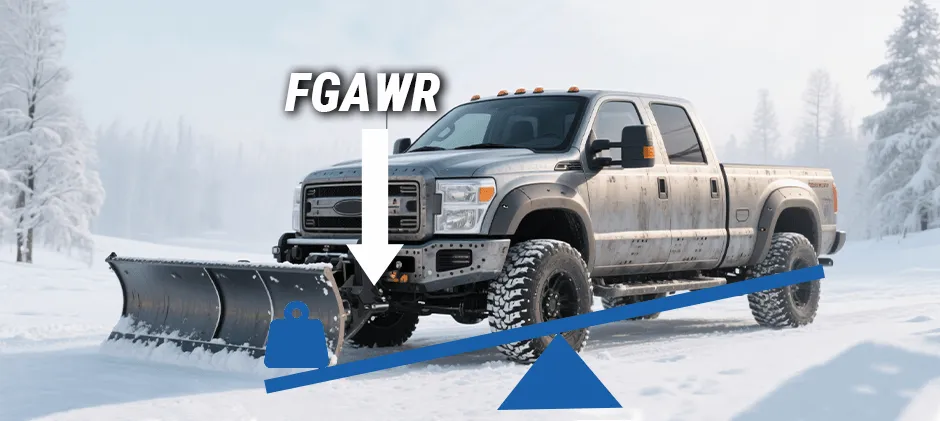
Check the weight ratings first. For many trucks, you can find them on the Federal Certification/Tire and Loading Information label (often on the driver-side door jamb).
A simple way to think about it (truck-friendly)
1. Add the weight of:
2. Remember: most plow weight sits on the front.
If you are close to the limit, choose a lighter plow or a smaller blade.
Also check these (often forgotten):
Truck plows and UTV plows are built very differently.
Many trucks have a “snow plow prep package.” It may include better cooling, wiring, and charging. If your truck doesn’t have it, you can still plow—just be smarter with blade size and maintenance.
Snow type decides how hard the job is.
Surface matters too:
1. What is the surface area and size of the area?
Driveway, gravel lane, farm yard, parking lot, or private road?
Bigger areas usually benefit from wider blades—if the truck can handle it.
2. What kind of snow is typical?
If your snow is heavy and wet, you may want:
3. What is your primary goal?
Most truck plows fall into these types:
For many truck owners, the real choice is straight-blade vs. V-plow.
Straight-Blade Plows:
Great for normal clearing. Fewer moving parts. Often lower cost. Easy to learn.
V-Plows:
More settings for different jobs:
Quick picking guide (easy version)
Material changes:
Truck owners should also think about rust and salt. Road salt can destroy hardware, pins, springs, and wiring over time.
| Material | Pros | Cons | Best For |
| Steel | Strong, stiff, scrapes well | Heavier, it can rust | Heavy use, rough scraping, commercial work |
| Polyethylene | Lighter, slick surface, no rust | Not as stiff, can cost more | Wet/sticky snow, lighter front-end load |
Simple advice for trucks:
If you’re close to your front axle limit, a poly blade can help reduce weight.
Some features make plowing safer and prevent damage.
This helps the blade “kick back” when it hits something hidden (curb, frozen ridge, rock). It protects the plow and your truck.
“A trip-edge design isn’t a luxury; it’s a critical feature that protects your plow, your vehicle, and you from hidden obstacles.”
Truck plows usually need a vehicle-specific mount. A good mount:
Plow lights help a lot at night and in blowing snow. Also consider:
A plow adds weight to the front. Ballast in the bed can:
Follow your plow maker’s ballast guidance (location matters, not just weight).
If you plow gravel, consider:
Plowing is hard work. Parts wear out. A “great plow” can still fail if you can’t get parts fast.
Common wear items:
Practical tip for truck owners:
Before winter, do a quick pre-season check:
To sum up, selecting the right snow plow is a balance of your machine’s capability, your specific plowing needs, and your budget. By following this guide, you can make an informed decision that will serve you well for many winters.
When wear and tear inevitably happens, keeping your equipment in peak condition is essential. MechLink has you covered with a comprehensive selection of high-quality snow plow parts to minimize downtime and keep you moving snow, no matter what the weather throws at you.