2026-07-29
When our off-road machine starts doing frequent regens, losing power under load, or throwing aftertreatment warnings, the problem is often not “bad luck”—it’s a diesel particulate filter (DPF) that’s filling with soot or ash. This guide explains why Cummins DPF cleaning matters, how we can clean a DPF safely (from simple on-machine steps to off-machine cleaning), and what benefits to expect—so we reduce downtime and avoid replacing parts that are still salvageable.
A DPF’s job is straightforward: it traps soot (carbon particles) in the exhaust so the machine releases fewer particulates. Over time, two different materials build up inside the filter:
That “slow fill” is why a machine can look fine for months, then suddenly start doing constant regens or derating at the worst time.
Off-road duty cycles often make DPFs work harder than steady highway use. These patterns push soot faster than the system can clear it:
If you ignore a restricted DPF, the machine typically responds with:
Cleaning at the right time is usually cheaper than letting the DPF reach a failure state.
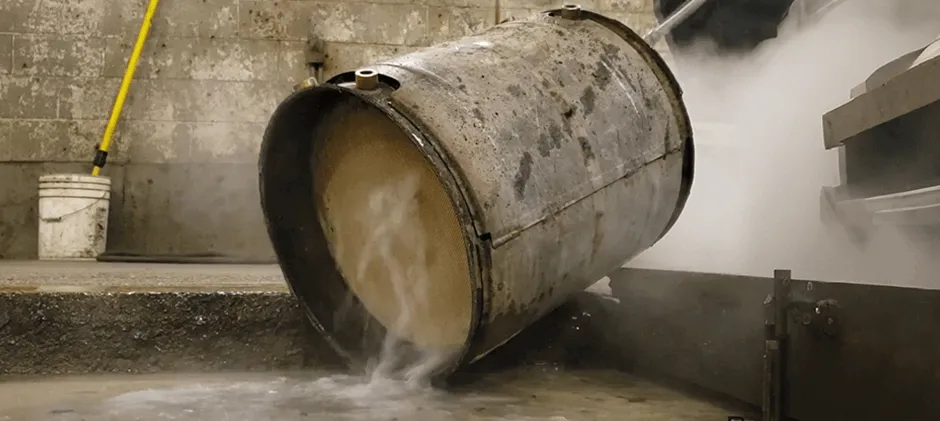
There isn’t one “magic” method. The right approach depends on what’s in the DPF (soot vs ash), how restricted it is, and whether the engine has a root cause that will immediately re-clog the filter.
Below is a practical, jobsite-friendly progression you can follow.
Before any cleaning, you should verify the basics. Faulty readings can trigger a “DPF full” message.
If the engine is over-fueling or burning oil, any cleaning will have short-lived results. Fix the cause first or in parallel.
DPF regeneration is the system’s built-in soot management process. For off-road equipment, this may happen:
If regens complete successfully but warnings return quickly, ash loading is likely increasing, or the engine is making excessive soot.
Some operators use fuel-borne additives marketed as DPF cleaners. In practice, additives may help with light soot-related symptoms, but they are not a cure for:
If you choose this route, you should treat it as a short-term aid and follow the machine’s guidance. If the restriction is severe, additives won’t restore flow and can delay proper service.
When ash is the main issue, the most reliable path is off-machine cleaning using dedicated equipment that measures restriction and flow before/after.
Because layouts vary by machine, you’ll keep this process general and always follow the service manual:
A reputable shop typically uses one or a combination of:
What you want from a provider is not just “it looks clean,” but documented before/after results.
After reinstall:
Cleaning is not always possible. Replacement is usually required when the filter has:
A good cleaning provider will flag these conditions during inspection/testing.
The real goal of Cummins DPF cleaning is not just clearing a warning light—it’s restoring predictable work output and protecting expensive components.
A clean DPF reduces backpressure and makes regen events less frequent. That means fewer interrupted cycles and fewer “we have to stop right now” situations.
Restricted exhaust flow can limit turbo efficiency and raise exhaust temperatures. Once flow is restored, you typically see:
DPF replacement can be expensive. If the substrate is intact, cleaning is often the most cost-effective option.
DPF restriction is sometimes the symptom—not the disease. During a cleaning cycle, DPF restriction is sometimes the symptom—not the disease. During a cleaning cycle, we often uncover root causes such as injector issues, air intake restriction, or oil consumption. often uncover root causes such as injector issues, air intake restriction, or oil consumption.
If you clean the DPF but ignore the rest of the system, the machine can re-clog quickly. The best “DPF strategy” is usually a system strategy.
Here are parts and maintenance areas that directly affect soot output and aftertreatment health:
None of these replace DPF cleaning—but they make DPF cleaning last.
| Symptom in off-road operation | Likely pattern | What to do next |
| Regen frequency increases week over week | Ash accumulation or higher soot output | Plan off-machine cleaning; check injectors/air system |
| Power loss + high exhaust temps | Restriction and heat buildup | Stop heavy load, inspect for restriction, verify sensors, schedule cleaning |
| “DPF full” returns right after successful regen | Ash loading or false readings | Check differential pressure sensor lines; consider flow-tested cleaning |
| White/blue smoke, oil use increases | Oil entering the exhaust | Fix the engine issue first; DPF may be oil-contaminated |
| Sooty smoke, rough idle | Over-fueling / poor combustion | Inspect fueling/air; replace filtration; clean DPF after root cause |
Cummins DPF cleaning is one of the best ways to restore power, reduce regen frequency, and prevent unplanned downtime—especially in off-road duty cycles with long idle and variable loads. If the filter isn’t cracked or melted, cleaning plus basic supporting maintenance (fuel filtration, cold-start help, oil cooling) usually delivers the best cost-to-uptime result. As an aftermarket supplier, MechLink supports this work with affordable, high-quality options and wide compatibility across heavy equipment brands.