2025-12-15
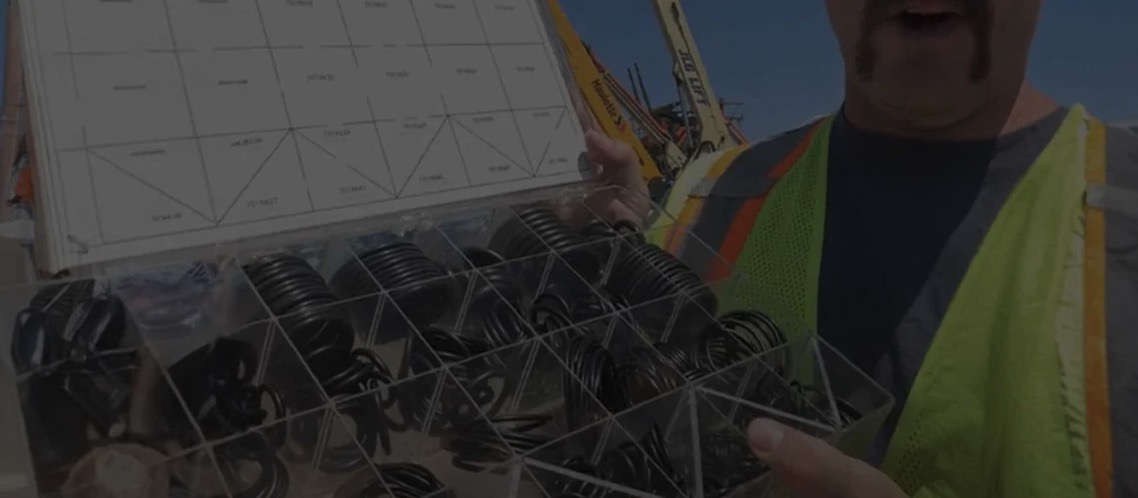
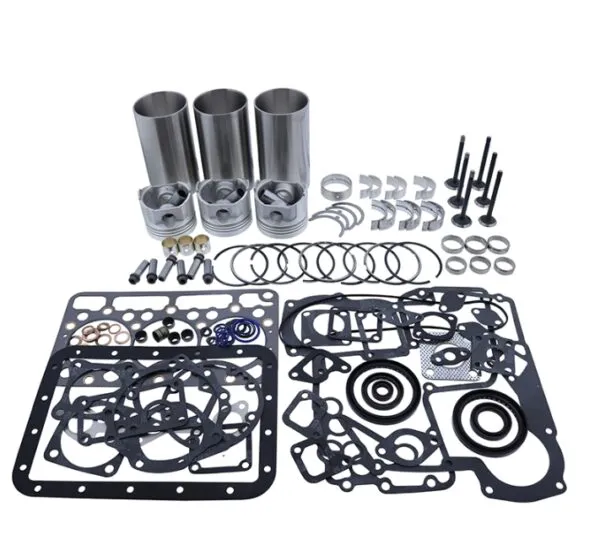
Seals and gaskets play the vital role of sealing components in heavy equipment, ensuring that hydraulic systems, engines and various other components remain operational. Seals are designed to provide a dynamic barrier between moving parts, whereas gaskets provide a barrier between non-moving parts.
When seals or gaskets within heavy equipment fail or become damaged, the repercussions can be severe. Leaks can result in a loss of hydraulic power, lubrication or cooling, leading to reduced performance and increased operating temperatures.
The failure to spot and address a compromised seal or gasket promptly can result in costly repairs and downtime, disrupting construction schedules and budgets.
In this guide, we’ll explore the common signs of seal/gasket wear and damage, how to identify when replacement is necessary and the steps involved in the replacement process.
By the end of this article, you’ll be equipped with the knowledge needed to spot a seal or gasket that needs replacing, avoiding unnecessary breakdowns.
O-rings are classic, donut-shaped seals made of rubber or elastomeric materials. They’re designed to fit into grooves or between two mating surfaces to create a tight, circular seal.
Sometimes called wiper seals or scraper seals, dust seals keep contaminants like dirt, dust and debris out of critical components like hydraulic cylinders. These seals have a lip or scraping edge that removes debris and contaminants from the piston rod of a hydraulic cylinder as it retracts into the cylinder.
Cover gaskets are flat, thin pieces of material, often made of rubber with a metal core. They are placed between two mating surfaces, like an engine cover and its housing.
Muffler gaskets are typically made of heat-resistant materials like metal or fiber. They are installed at the connection points between the exhaust manifold and the muffler or other exhaust system components.
While it can be challenging to tell when it’s time to replace a seal or gasket, there are a few obvious signs to watch out for.
While many of the signs above strongly indicate that a seal/gasket needs to be replaced, other signs are less obvious. The following signs may indicate that a seal or gasket somewhere in your machine needs to be replaced.
Inspections are key to evaluating the condition of your machine’s seals and gaskets. Start with a visual of your machine’s sealed components, checking for wear, cracks or fluid leakage. If a seal or gasket is worn out, you may notice fluid leaking around the seal. Cracked and worn seals/gaskets should be replaced as soon as possible. By establishing a regular inspection schedule, you can identify worn-out seals and gaskets before they become problematic.
Maintaining your heavy equipment’s seals and gaskets isn’t just good maintenance, it’s crucial to ensuring the reliability and longevity of your machine. By identifying and replacing worn or damaged gaskets before they become problematic, you can prevent costly breakdowns, downtime and potential safety hazards.
The MechLink Online Shop is your one-stop shop for OEM and aftermarket seals and gaskets from a variety of heavy equipment manufacturers. If you’re in need of a replacement component or want to keep extras on hand for later use, we’ve got you covered. Can’t find the specific seal or gasket your equipment needs? Reach out to our dedicated parts experts and get personalized assistance.