
2026-05-22
Most people are familiar with the impact driver and the drill, but truly, they don’t understand what their difference is and when & how to choose the right tool. This guide will compare the impact driver vs drill, explore their nature, and help you choose the right tool quickly and easily, avoiding lots of trouble.
| Feature | Impact Driver | Drill / Drill Driver |
| Main Use | Driving long screws, heavy fastening | Drilling holes, general fastening |
| Power | Higher torque, fast bursts | Moderate torque, smooth rotation |
| Control | Less precise, no clutch | Precise, adjustable clutch |
| Bits | Hex‑shank only | Accepts most drill bits |
| Noise | Louder | Quieter |
An impact driver is a specialized power tool designed primarily for one job: driving screws and tightening nuts with exceptional power and speed. It’s the high-torque specialist in your toolbox.
An impact driver adds bursts of power when it senses resistance. It uses an internal hammer and anvil mechanism that delivers rapid, powerful rotational “impacts” to the screw. This action, which creates the tool’s signature loud chattering sound, generates massive torque to drive long fasteners with minimal effort and less strain on your wrist.
Secure a hex-shank bit into the quick-release collet. Press the tool firmly against the screw head, apply a slow, steady trigger pull to start, and then increase speed. Let the tool’s impacts do the work for you—there’s no need to force it.
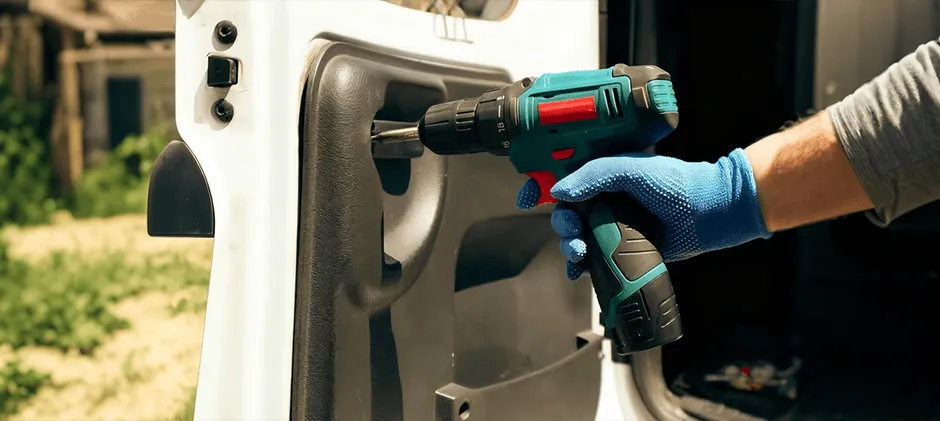
A drill (or drill driver) is the versatile all-rounder of the power tool world. Its primary job is to create holes, but with its adjustable settings, it’s also a capable screwdriver for a wide range of tasks.
How Does A Drill Work?
A drill works by providing smooth, consistent rotational force. Its key feature is an adjustable clutch that lets you control the amount of power. By setting a torque limit, the drill automatically stops turning the screw too forcefully, giving you the precision needed to avoid stripping screw heads or damaging delicate surfaces.
Tighten the appropriate bit into the chuck. For driving screws, set the clutch to a low number and adjust as needed. For drilling holes, turn the clutch to the “drill” symbol. Apply steady pressure and maintain a consistent speed.
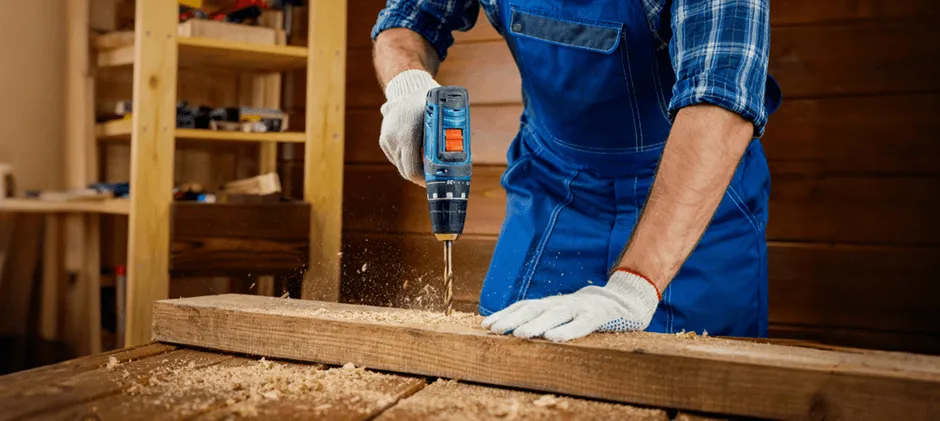
Yes, but it’s not ideal. You can buy special hex-shank drill bits, but the results are often subpar. The percussive impacts make it difficult to start a hole accurately and can result in a messy, oblong hole rather than a clean, round one. It works in a pinch, but for drilling, a drill is always the superior tool.
The tool choice depends on your own needs.
No matter which tool you choose, keeping it performing at its best requires the right accessories. At MechLink, we offer a wide range of high-quality impact driver accessories & parts and drill parts & drill accessories to keep you working efficiently. From durable, impact-rated driver bits to replacement chucks and batteries, we have what you need to get the job done right. Visit MechLink today to gear up for your next project!
Ultimate guide to choosing the best engine oil filter for tractor
2026-09-20
How much does a ford f-150 weigh? 2026 complete guide
2026-09-20
Do diesel engines have spark plugs?
2026-09-19
How to choose the right connecting rod bearing?
2026-09-19