2026-08-30
Yes, you can use a leaf blower for snow, but only for the right kind of snow and the right surface. Light, dry powder can blow away fast, while wet snow turns into heavy slush that a leaf blower can’t move well. This guide explains whether you can use a leaf blower for snow in real-world conditions—driveways, equipment pads, ramps, trailers, and shop entrances—so you don’t waste time or damage tools.

Powder snow moves like dust. If the snow is fluffy and squeaks under your boots, a leaf blower can clear it quickly.
Thin layers move easily. A leaf blower works best when the snow is about 1–2 inches (2–5 cm) or less.
Colder snow is lighter. If the temperature is near freezing, snow sticks and clumps, and blowing becomes slow.
Clear Statement: Leaf blowers are for light, fresh snow, not packed drifts.
Water adds weight. A blower’s air stream can’t “float” slushy snow the way a snow blower auger can.
Compacted snow acts like a solid. If the snow has been driven over or melted and refrozen, it needs scraping or a snow blower.
Blowing won’t remove ice. If you leave a thin, icy layer, you can create a slip hazard around equipment and walk paths. In these cases, it is safer to switch to manual scrapers or ensure your powered equipment has the right snow removal parts, like ice-breaking teeth or specialized skid shoes, to handle the frozen layer properly.
Fast touch-ups are the sweet spot. It’s great for quick clearing before you move an ATV/UTV, skid steer, or trailer.
Air won’t scrape pavers. A leaf blower can reduce scuffs on decorative concrete, sealed surfaces, and wooden ramps.
Small corners are easier. Steps, door thresholds, and machine storage gaps can be quicker with a blower than with a full snow blower.
Clear Statement: A leaf blower is a good “first pass” tool before snow gets deep or wet.
Smooth surfaces release snow. You’ll get the best results on clean, flat pavement.
Loose stones can fly. If your drive is gravel, use lower power and keep the nozzle higher to avoid blasting rocks.
Boards can be slick. Blow snow off early, then check for ice film that still needs traction treatment.
You may expose soft ground. Blowing light snow off dirt can uncover wet spots that become ruts under equipment.
Snow sitting on machines melts and refreezes. Blowing off hoods, steps, and trailer decks can prevent ice buildup.
“If the surface can throw debris, your blower can throw it too.”
Fresh snow moves easiest. Blow it before it warms up, gets walked on, or gets driven over.
Control where snow goes. Aim away from doors, vents, vehicles, and paths where it will drift back.
A wide sweep clears faster. Keep the nozzle angled low and push snow in layers instead of trying to blast it all at once.
Wind can double your effort. Stand so the wind helps carry the snow away.
Don’t chase ice with air. Once you hit a thin wet layer, switch to a shovel, scraper, or snow blower.
Traction matters more than “clean.” Walk the area and spot-check for slick patches, especially near gates and shop entrances.
Clear Statement: Stop using the leaf blower when the snow becomes wet, heavy, or packed.
Short bursts work. High airflow at the right angle clears better than holding full throttle in one spot.
Cold kills runtime. Store batteries indoors and swap them quickly outside.
Snow in belts and pulleys turns into ice. Keep airflow away from exposed drivetrains, winches, and couplers.
Ice pellets sting. Safety glasses and hearing protection help when the wind throws snow back.
Off-road lots hide debris. Striking bolts, chains, or stones can send them flying.
Let the tool do what it can. If you need multiple passes and it still won’t clear, it’s time for a snow blower.
“If you’re working harder than the machine, you’re using the wrong machine.”
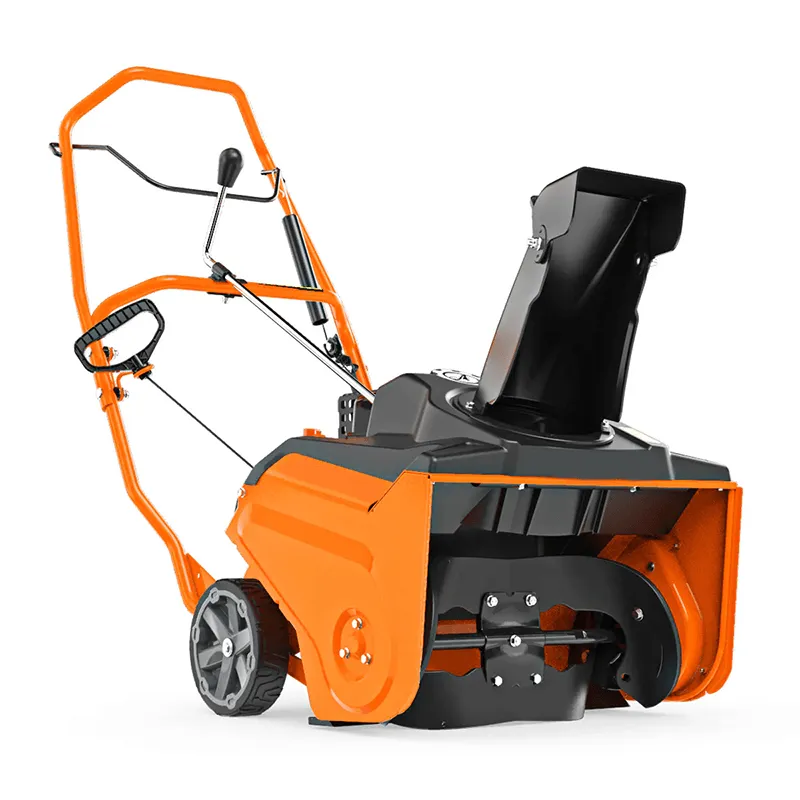
Clumps won’t lift well. This is when a real snow blower wins.
Depth defeats airflow. Once it’s more than a couple of inches, you’ll spend too long.
Tire tracks pack snow. Packed lanes are better handled with a snow blower or plow setup.
Leaf blowers mostly “push.” A snow blower can throw snow away from work zones and keep piles from creeping back.
Clear Statement: Leaf blowers are for maintenance clearing, snow blowers are for real accumulation.
A leaf blower can be a smart tool for snow when the snow is light, dry, and fresh, especially on paved pads and tight areas around off-road equipment. If conditions turn wet, deep, or packed, switch tools early to save time and avoid slip hazards. For maintenance and repairs that keep your winter setup dependable, you can browse leaf blower parts at MechLink to stock common wear items before the next storm hits.