
2026-11-21
Excavators turn up on almost every site for a simple reason: one machine can dig, lift, clear and break, provided it is the right size and carries the right attachment. That flexibility also makes buying or renting one confusing. Below are direct answers to the questions operators, buyers and fleet managers ask most.
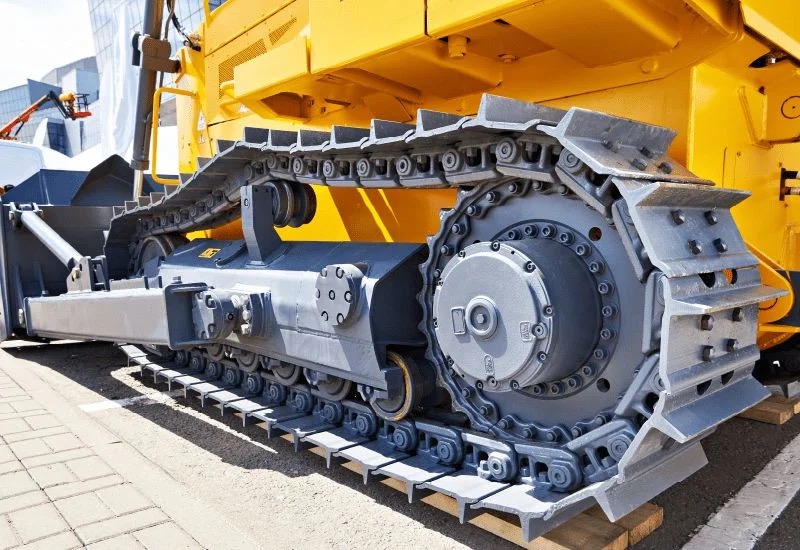
It is a piece of earthmoving equipment built around a boom, a stick and a bucket, and it is probably the most common machine you will see on a jobsite. An excavator digs, shifts debris, pulls out heavy objects and does a long list of other tasks. That range is the main reason so many contractors build their work around one.
It depends entirely on the class of machine. Excavators are built across a very wide spread of sizes, and each size brings its own operational strengths. A small unit can weigh around 6 tons, and some come in lighter still. Move up to the large end and you are looking at 45 tons or more.
Small machines do more than their size suggests. Mini excavators cannot match the digging and hauling capacity of a full-size model, but they make up for it with almost no tail swing. That lets them work in tight corners and confined spaces, and handle materials that need a careful touch. They are also the easiest machine in the excavator family to transport and store.
Start with the rule that matters most: never run an excavator without certification. Safety comes first on any site, and operating a machine you are not qualified for puts you, your colleagues and the surrounding site at risk.
The route itself is not complicated. Find a training program that suits your schedule, submit an application, then complete the courses. At the end you sit an exam, and passing it makes you a certified operator.
Working on a machine set to a pattern you are not used to is genuinely dangerous, so it is worth correcting before you start. The change itself is simple. Locate the pattern control lever, which is normally somewhere in the cab. Open the protective box, take out the bolt, move the lever to the setting you want, then reassemble everything. If you cannot find the lever, the owner’s manual will show you where it sits.
With machines ranging from a few tons to several dozen, size is the hardest decision in the purchase. Three factors narrow it down:
A large part of the appeal is the list of attachments available, each one unlocking a different job. Dozens of types exist, but a handful do most of the work:
There is no standard price. Size, model, year of manufacture and whether the machine is OEM all move the number. As a general guide, expect a figure somewhere between $162,000 and $223,000.
That depends on whether you intend to buy or rent. Buying to own can be done through a local supplier, or through a foreign supplier that ships the machine to you. Local purchase is usually faster and cheaper, while an imported machine may bring features and capabilities that justify the extra spend. Renting is simpler: rental yards carry a wide spread of models and sizes. MechLink, for instance, stocks everything from heavy-duty construction equipment to power generators, so most requirements can be met in one place.
Each option has real advantages. Renting means paying only for the period you need the machine, then off-renting it, with no maintenance or storage obligations. Buying means the machine is always there when you need it — no calling around rental companies to track down the right unit — but maintenance and upkeep become your responsibility. Assess what the jobsite actually requires, then decide.
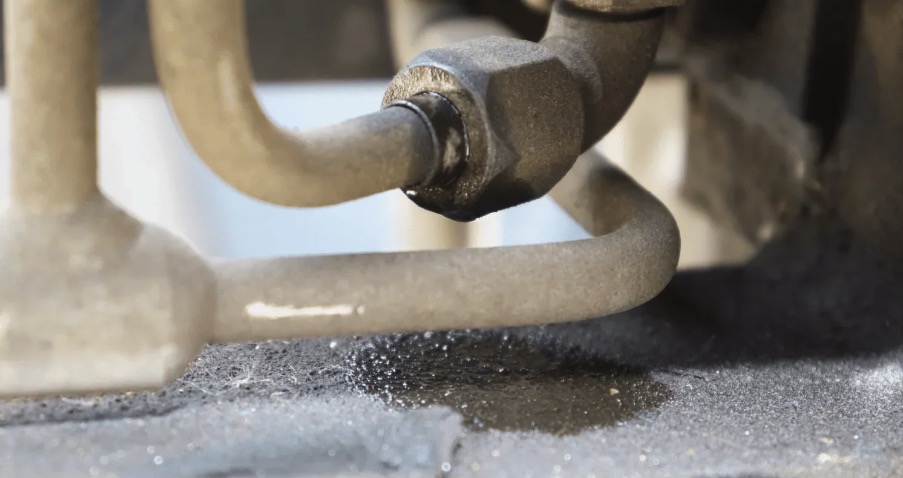
Where Hydraulic Fluid Escapes: Internal vs External Leaks, Warning Signs and Prevention
2026-11-21
XCMG or Liugong? Choosing a 5-Tonne Wheel Loader That Survives a UAE Summer
2026-11-21
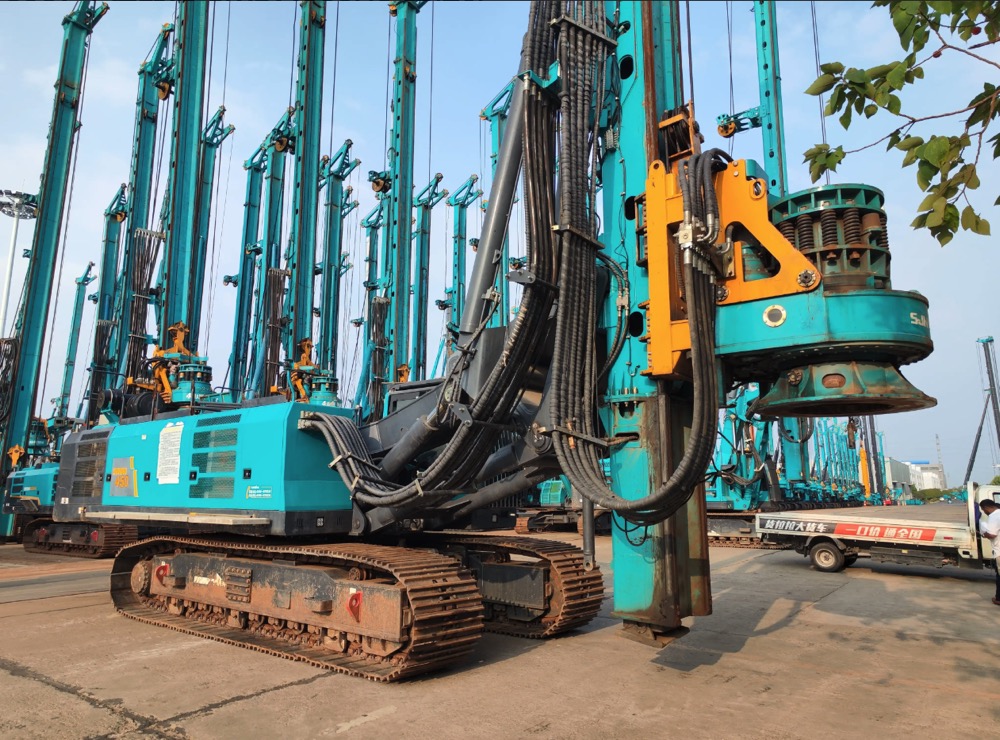
Piling Machines Explained: Types, Applications, and Selection Factors
2026-11-20
Wheel Loader or Backhoe Loader? Match the Machine to the Job
2026-11-20