2025-12-08
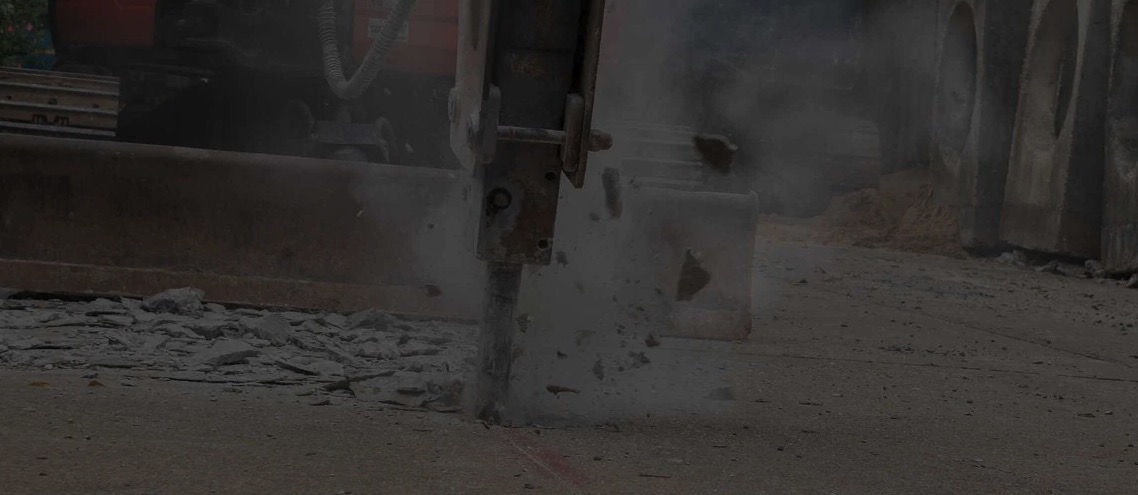
Between the hum of diesel engines, the grinding of concrete saws and the rumbling of a dozer, construction sites can be noisy places. Noise pollution from construction sites isn’t just a nuisance, though, it can have real impacts on employee wellbeing, community safety and the natural environment.
Noise pollution is defined as any excessive noise or sound that degrades the surrounding environment and impacts our health. This not-so-silent threat needs to be well-managed on construction sites in order to limit its impact.
Some common sources of noise pollution on construction sites include the operation of heavy equipment, demolition of large structures and specific tasks like concrete cutting and welding.
While excessive noise on construction sites can’t be eliminated entirely, it can be managed so as to minimize its negative effects on the surrounding environment. One critical aspect of managing noise pollution is ensuring that your construction equipment is well-maintained.
By properly maintaining your heavy equipment fleet, you can reduce noise pollution and improve the quality of your construction site. In this guide, we’ll cover the basics of noise pollution on construction sites and how you can limit its impact through an adequate heavy equipment maintenance strategy.
While noise pollution isn’t visible, its effects are plain to see. The effects of noise pollution are wide ranging, from damaging human health to influencing the behavior of affected wildlife.
One of the biggest threats posed by noise pollution is its potential to impact the health of construction workers and residents living near the job site.
In fact, the dangers of noise pollution are so well-known that OSHA mandates the use of hearing protective equipment whenever employees may be exposed to an average noise level of 85 decibels or more (over an 8-hour period).
Some of the health problems commonly associated with noise pollution include:
The negative effects of noise pollution don’t stop at employees and residents, they extend to wildlife too. Just like humans, animals near a noisy construction site can become agitated and stressed, leading to a range of problems, including:
While noise is an accepted part of construction projects, it doesn’t have to reach excessive levels. The amount of noise pollution on a construction site can be reduced by strategically managing its causes.
Certain machines on construction sites are generally louder than others.
When creating a plan to manage sound pollution on your job site, strategically limiting the use of these machines will have the greatest impact:
Under certain conditions, machines might suddenly start making more noise than usual. If one of your machines suddenly starts making excessive noise, any number of factors could be responsible, depending on the type of equipment and how it’s being used.
Common culprits for a noisy machine include loose parts, such as nuts and bolts, insufficient lubrication and a malfunctioning engine. Machines that use water lubrication, such as concrete saws, may also become louder if you aren’t using sufficient water during their operation.
Failure to properly maintain heavy equipment is a major cause of noise pollution on construction sites. Certain maintenance tasks should be performed regularly in order to keep your machines running as smoothly and quietly as possible.
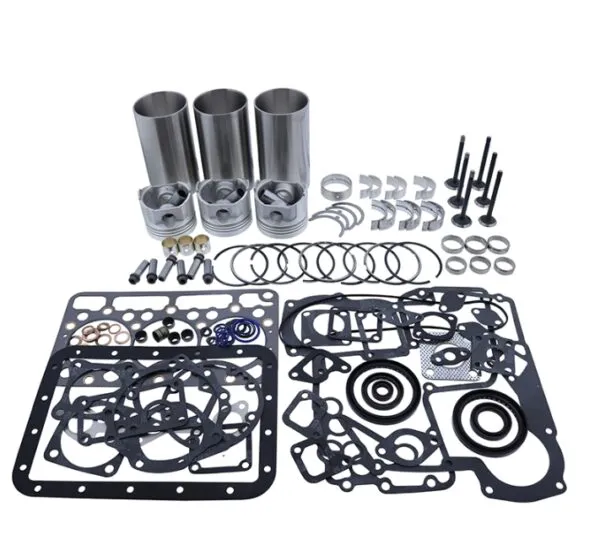
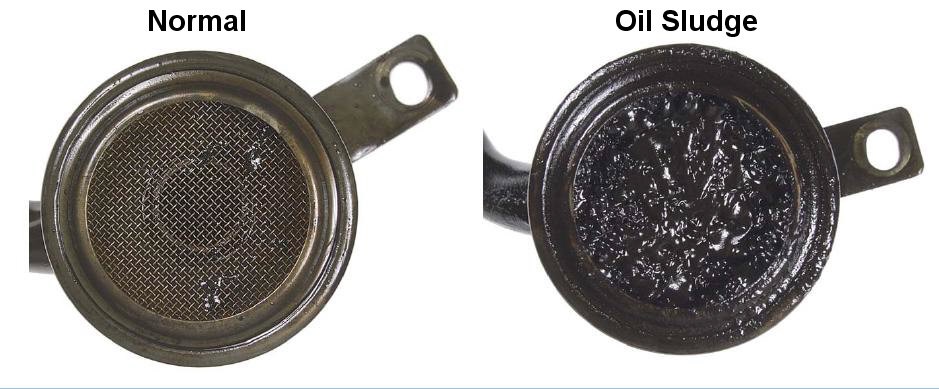
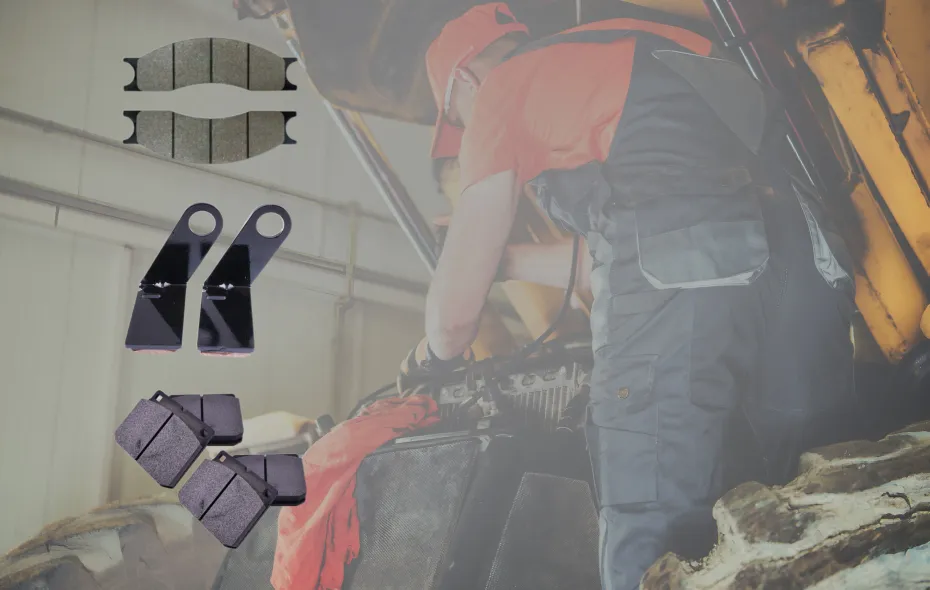
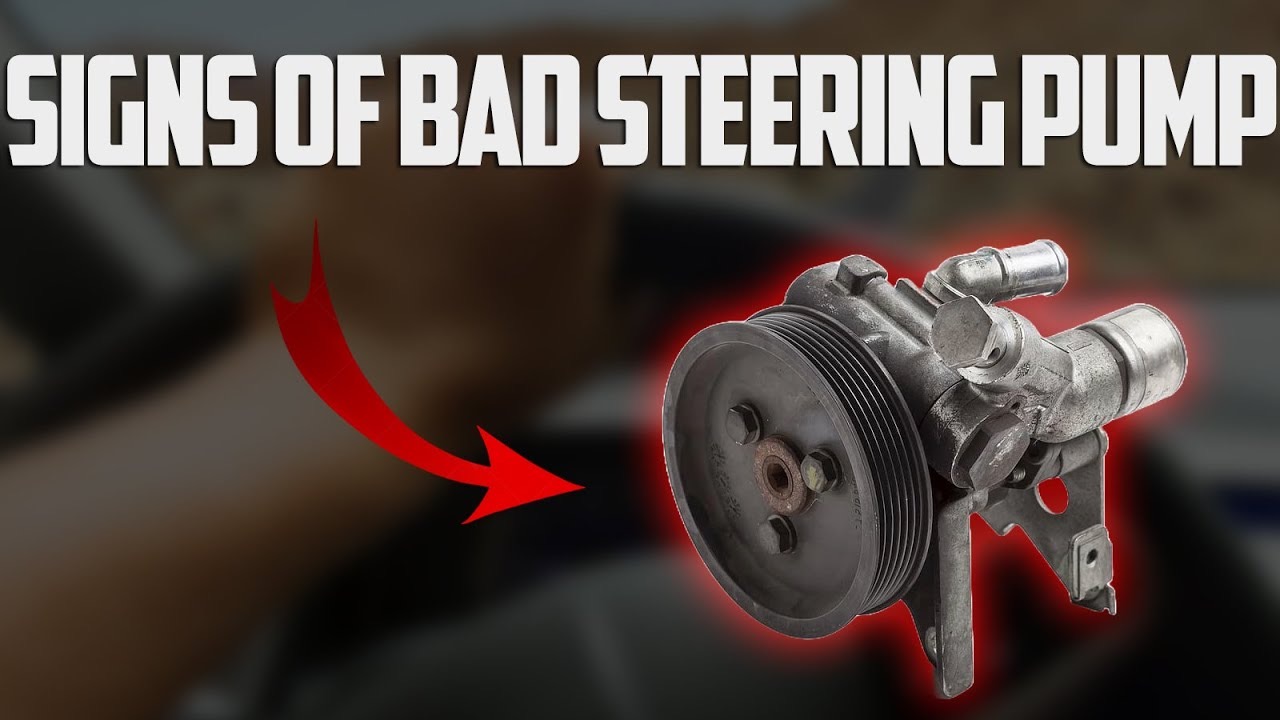
Here are some areas of heavy equipment maintenance that are crucial to keeping your machines operating quietly:
While properly maintaining your heavy equipment can help reduce noise pollution, it cannot eliminate it entirely. Therefore, it’s important to train operators and employees to follow recommended safety practices.
Some basic measures include providing your employees with hearing protection equipment, such as ear muffs, plugs or caps. Workers’ exposure to noise pollution can also be minimized by reducing the number of employees on the job during noisy tasks, like concrete cutting or demolition activities.
Maintaining your heavy equipment isn’t just useful for bolstering your team’s efficiency, it’s essential to ensuring the safety of employees, neighbors and wildlife.
The MechLink Shop carries OEM and aftermarket parts that can replace the worn out or damaged parts in your equipment, helping you minimize noise pollution. Our shop also makes it easy to order personal hearing protection equipment for your team, keeping them safe on the job.