
2026-11-29
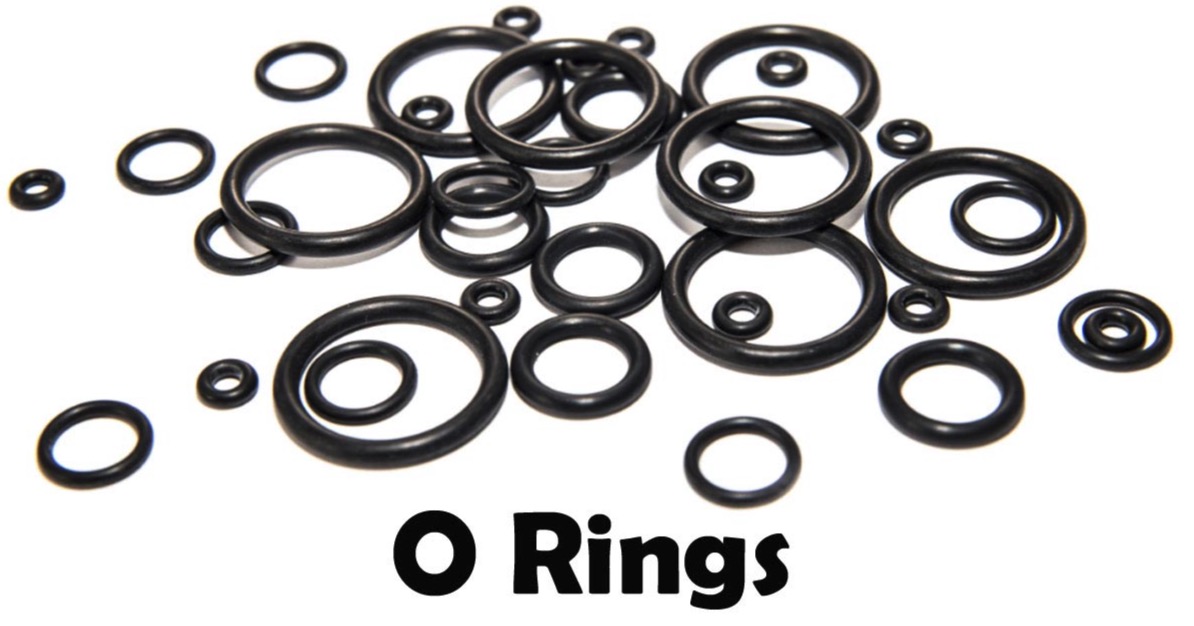
On a machine that weighs several tonnes, the parts that stop the work are usually the ones nobody looks at. O-rings — sometimes called toric joints or packings — are exactly that kind of part: a few grams of rubber standing between a hydraulic system and a puddle on the ground.
Functionally, an O-ring is a flexible ring that seats between two mating surfaces and seals them against fluid or gas. It is a simple idea, and it is what keeps oil, fuel and hydraulic fluid inside the places they are supposed to stay.
For anyone running a fleet, that makes O-rings worth understanding properly: what they do, where they sit, how they fail and how to replace one without creating a second problem.
Almost every heavy equipment machine depends on them. They seal mating parts cheaply, reliably and with very little hardware, which is why they appear throughout hydraulic systems and engines.
The rings themselves are small, donut-shaped and usually molded from a pliable material — rubber, silicone or an elastomer compound. A typical example is the seal between a fuel line and an injector: without it, fuel would weep out instead of reaching the cylinder in the quantity the engine expects.
The working principle is about as simple as engineering gets. An O-ring sits in a machined groove called a gland, cut where two components meet. When those components are bolted or threaded together, the ring is squeezed. That compression forces it to expand against the gland walls, and the result is a tight, uniform seal across the joint.
Because the seal is pressurized by the assembly itself, it holds oil or hydraulic fluid back as it passes from one component to the next.
All three stop leaks, but they are not interchangeable. O-rings are the choice for high-pressure joints. Gaskets and seals generally serve lower-pressure applications, and gaskets tend to be larger, flatter components used to seal broader surface areas.
Every O-ring in a machine is either static or dynamic, and getting the distinction right is the first step in choosing a replacement.
Static O-rings seal joints where nothing moves. The two components clamped together do not rotate, slide or articulate relative to one another.
Dynamic O-rings seal joints where the surfaces move against each other. They are the standard choice in hydraulic cylinders, pumps and anywhere a piston travels or one part rotates inside another.
O-ring condition drives machine efficiency and downtime in a way that is easy to underestimate. A degraded or split ring leaks, and a leak that is left alone turns into a much larger mechanical failure.
Three symptoms cover most cases:
Because these rings are small and scattered, inspection belongs in the preventive maintenance routine rather than in reactive repairs. Your service manual will show where they sit and list the checks that apply to them.
Procedure varies with machine type, O-ring location and O-ring type, but the sequence is broadly the same:
Handling matters as much as technique. These rings are soft, and a careless pry or a twisted install will damage one before it ever sees pressure. If a ring is scratched, nicked or otherwise marked during fitting, do not use it — discard it and start again with a fresh one.
Specification matters just as much. Fit only the O-ring called for in the machine's service manual; the wrong size or compound can damage the machine it was meant to protect.
On service life, the usual expectation is replacement every three to five years, sooner if wear or damage is visible. Cost is rarely the obstacle: depending on the machine and the ring type, a replacement typically runs somewhere between one and ten dollars.
The range of O-rings on the market is enormous — many types, sizes and materials — and the differences are not cosmetic. Each compound is formulated to withstand a particular band of pressures and temperatures. Pick the wrong material and it may degrade soon after installation or simply fail to seal efficiently.
The reliable route is the service manual first, and an experienced parts dealer second if the manual leaves you unsure. Getting the compound right for the application is cheaper than replacing the component the ring was protecting.
Small parts still have to be the right parts. The MechLink Shop stocks a broad selection of O-rings for machines from manufacturers such as Takeuchi, Wacker Neuson, Sany and Terex.
If the exact ring is hard to identify, send the details to our parts experts and we will help you match it.
Six machines that carry a landscaping job — and nine attachments that double them
2026-11-29
Oil filter questions, answered: fitment, intervals and the signs you missed
2026-11-28
Rotate or replace? A field guide to track pins and bushings
2026-11-28
Ten Steps to Bring Heavy Equipment Out of Winter Storage
2026-11-28