2026-11-08
In the long run, an engine oil leak could cause trouble for operators and lead to a series of expensive repairs. So, to help you avoid this, let’s discuss engine oil leak repair cost in depth.
Before we talk about leaks, let’s talk about how important engine oil is. Excavators, loaders, bulldozers, and others either have high temperatures or high loads daily. They work in mud, dust, and gravel. The environment is much harsher than cars.
Keep your oil clean, reliable, and at the correct level. This protects your machine’s most expensive, critical component — the engine. Good oil condition means a long-lasting engine. Poor oil condition? Failures will hit much sooner.
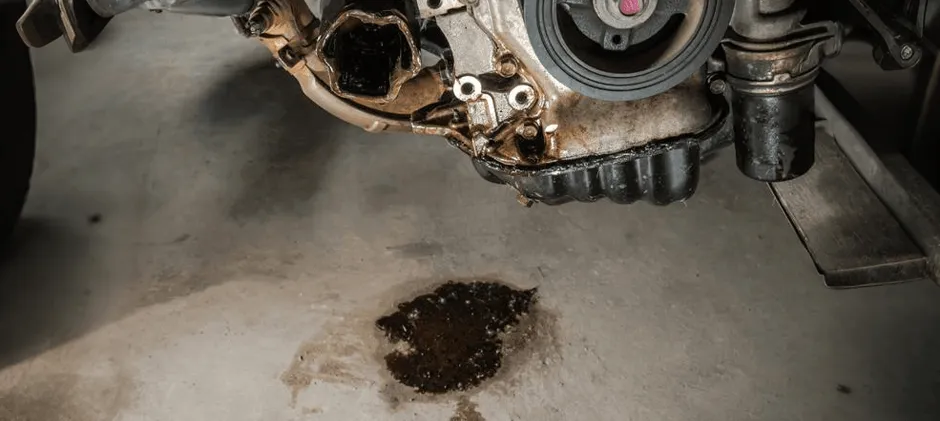
It’s almost impossible to set a fixed price for repairing an engine oil leak on heavy equipment. The final oil leak repair cost depends on several variables. Knowing these variables helps you manage your budget. This section matters most if you’re an equipment owner. It explains why repair costs can range from a few hundred to several thousand dollars.
Location is the single biggest factor. A leak from a loose oil filter or cracked drain plug is easy to reach and fast to fix. But leaks from the rear main crankshaft seal? That’s a whole different story. This seal sits between the engine and transmission (or hydraulic pump). Repairs often require removing the entire engine or transmission, just to get to a seal that’s actually cheap.
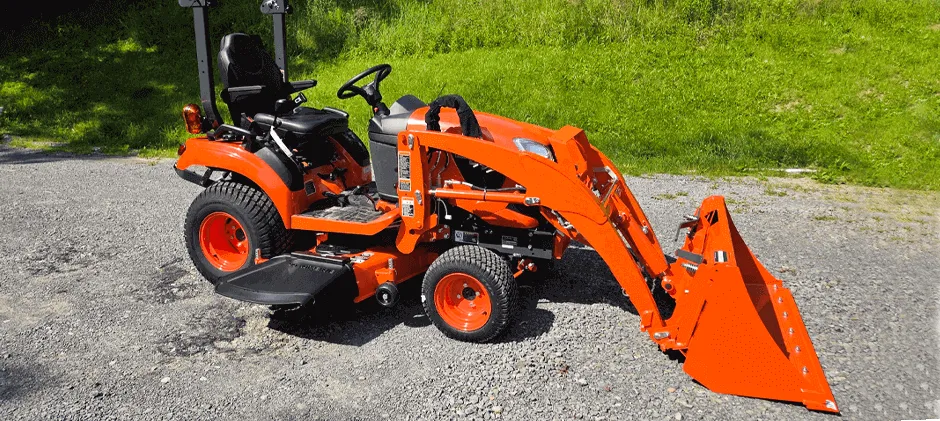
Oil spill repair costs for small crawler loaders are much lower than those for 40-ton excavators. Large machinery has larger and more expensive components. In addition, their components are heavier and the space is more compact. You need more specialized lifting equipment to disassemble and assemble the parts.
Mechanic labor makes up a huge chunk of the repair cost. Rates change based on your region and the type of service you need.
For common leak-related parts, like gaskets, seals, and oil lines, a trusted aftermarket source works great. You’ll cut your parts cost by 30-50% or more, with no loss in reliability.
An oil leak is rarely as simple as “just an oil leak”. Once the oil is thrown onto the serpentine belt, the belt will quickly become soft, slip or even break, and you will have to replace it in the end. If there is a large oil leak and the oil level drops very low at once, the engine interior is prone to injury, such as dry grinding of bearings, strain, or even direct jamming of the turbine. These associated problems will cause the cost of repairs to increase.
To give you a better idea of how much the repair will cost, the following are some common examples of oil leak repair costs on medium-sized off-road equipment (such as 15–25 ton excavators, medium loaders). Let me first explain: the following figures are just reference prices. The actual costs will vary greatly due to factors such as equipment model, fault severity, and regional labor costs. Ultimately, the official quote given to you by the repair technician will prevail.
| Leak Source | Average Part Cost (Aftermarket) | Estimated Labor Hours | Approximate Total Cost | Notes |
| Valve Cover Gasket | $80 – $250 | 2 – 5 hours | $400 – $1,500 | Relatively accessible on most engines, but some designs require removing injectors or other top-end components. |
| Oil Pan Gasket | $100 – $400 | 4 – 10 hours | $700 – $2,900 | Can be simple or very complex. Some machines require lifting the engine or removing the subframe for access. |
| Turbocharger Oil Lines | $50 – $200 (per line) | 1 – 3 hours | $200 – $950 | Often a quick fix, but can be tricky to reach behind the hot turbo. |
| Front Crankshaft Seal | $50 – $150 | 3 – 6 hours | $500 – $1,650 | Requires removal of the main pulley and belts. Relatively straightforward but labor-intensive. |
| Rear Crankshaft Seal | $100 – $300 | 12 – 30+ hours | $2,000 – $7,800+ | This is the big one. Requires splitting the engine from the transmission or hydraulic pump. |
| Oil Cooler / Housing Gasket | $40 – $120 | 2 – 5 hours | $350 – $1,400 | Location varies. Can be easy to reach or buried behind other components. |
As you can see, labor costs almost always dominate. This highlights the importance of using reliable components to ensure the job is done right the first time.
Leaks don’t just happen. They are the result of parts failing or external factors. Knowing the common causes can help with diagnosis.
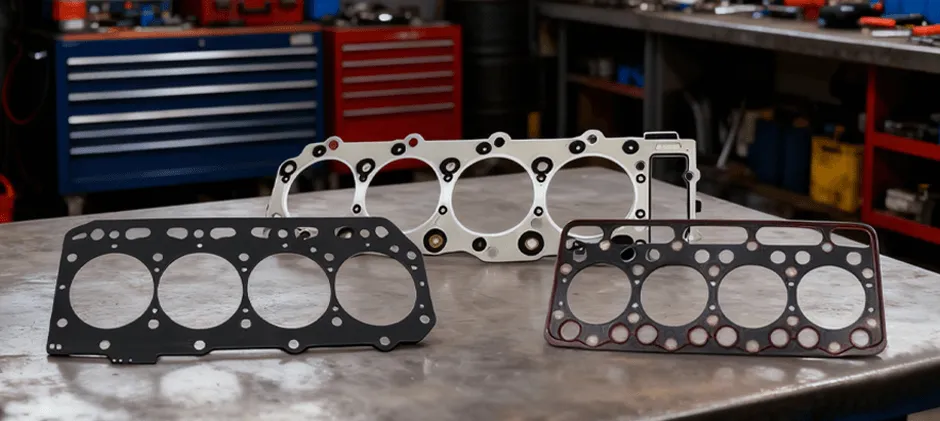
Gaskets (flat seals between two fixed parts) and sealing rings (seals around the axis of rotation) are usually made of rubber, silicone or cork. Due to the effects of engine vibration and pressure, as well as repeated hot and cold cycles, these materials can harden, become brittle, and crack over time, leading to oil leakage.
Common faulty parts: Valve cover gasket, oil pan gasket, timing cover gasket, and head gasket.
The crankshaft protrudes from the front and rear of the engine block. Seals at these points are essential for holding oil in. The constant rotation eventually wears the seal’s lip, creating a path for oil to escape. A front seal leak appears behind the main pulley, while a rear seal leak shows up where the engine meets the transmission.
Although oil filters are a part that needs to be replaced regularly, they are also often a source of oil leaks.
The oil pan is fragile at the very bottom of the engine. If you are hit by rocks or tree stumps, you may be hit by dents, crush the sealing pads, or even crack the oil pan. The oil leak will be very serious. If the washer of the oiling bolt is old or the bolt is not tightened, oil will seep out.
Many heavy equipment engines have turbochargers. The turbine speed is particularly high, requiring oil to be kept in to lubricate and cool down. As long as there are cracks in the oil supply and return pipes, or the seals inside the turbine are aging, oil may begin to leak, and usually not lightly.
Early detection of oil spills. If the following signs appear, you need to pay attention to whether it is an engine oil leak:
Engine oil leaks are no small matter. Common causes include a broken oil filter, aging gaskets, a failed crankshaft oil seal, or even just a minor oversight during maintenance. With any luck, the oil leak repair cost might only cost a hundred or two hundred dollars to fix, but in some cases, the cost will just go up. Therefore, once you find an oil spot on the ground or oil seepage on the fuselage, it is wisest to inspect it immediately and resolve it as soon as possible. When you need reliable gaskets, seals, or other engine components, MechLink offers direct replacements for a variety of makes and models. Browse now!