
2026-11-28
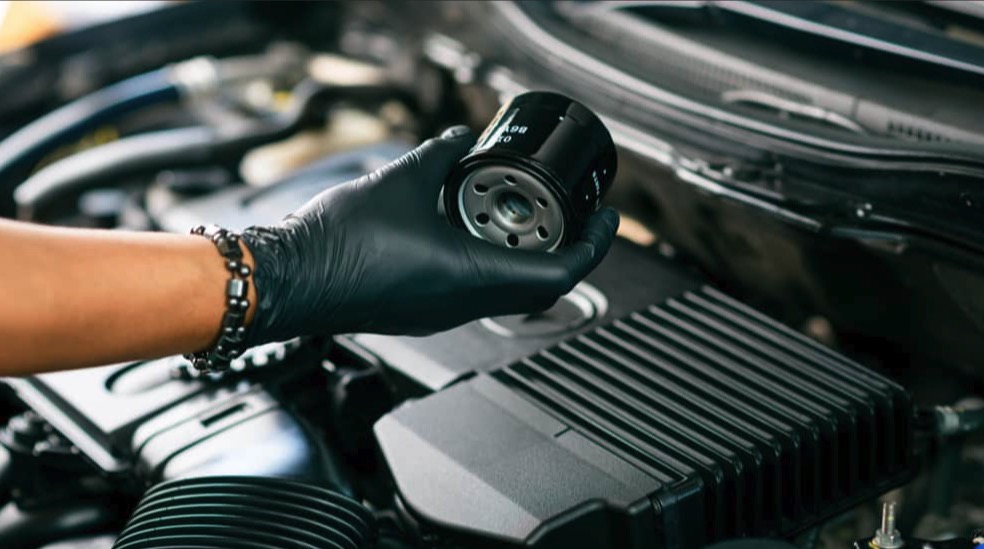
An engine oil filter exists for one reason: to pull grit, metal particles and sediment out of the oil before they can reach a bearing. Once abrasive material is circulating in the lubricant, it grinds away at journals, pumps and cylinder surfaces, and the eventual result is a breakdown that had nothing to do with the oil itself.
Keep contaminants out and the oil keeps doing its job. That is why a filter is one of the cheapest parts on a machine and one of the most consequential.
The filter sits inside the lubrication circuit and works in a continuous loop:
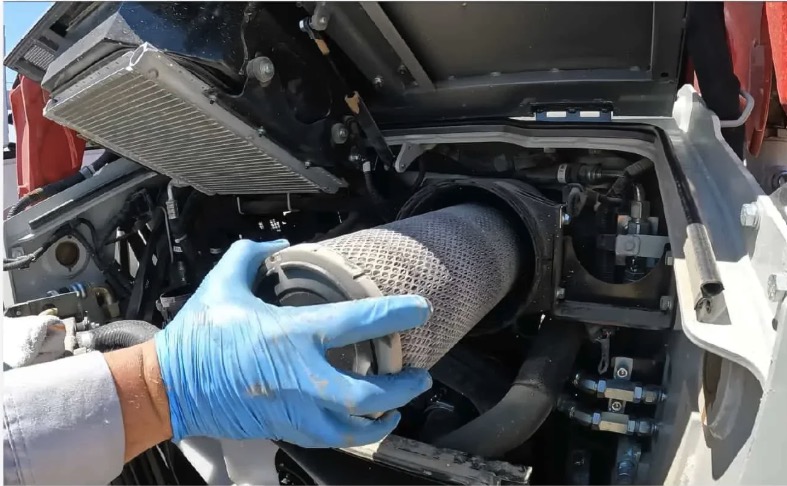
There is no universal location. Depending on make and model, the filter may sit in the service bay near the engine block or close to the oil pump. Your machine's service manual will show the exact spot.
Let the engine cool first. Engine oil at operating temperature will scald, so never open the system while it is hot. Set a drain pan or bucket beneath the filter, grip the housing with a filter wrench and twist it off, letting the residual oil run into the pan.
A stubborn filter needs a different approach. The filter wrench is still your first tool — it gives the best grip on an over-tightened canister. If that fails, drive a screwdriver through the side of the filter and use the handle as a lever to spin it free. Expect some spillage with this method, which is why the pan matters.
No. Filters are not universal, and they are not interchangeable across machines. Each one is built for a specific make and model, and the manufacturer's recommendation is the only specification worth following. A filter that threads on does not necessarily filter correctly or hold pressure correctly.
The answer comes from the machine, not from a catalog guess. Both the type and the physical size of the filter depend on make and model, and each machine may call for a particular canister size and thread pitch. Your service manual lists the exact part number and dimensions.
Fitting the wrong size or the wrong thread is not a harmless shortcut. It can degrade engine performance and, in the worst case, damage the machine.
A reasonable working rule for heavy equipment is every 250 to 500 operating hours, and at least once a year. Machines run in dusty, hot or otherwise severe conditions may need filters more often. The service manual states the interval the manufacturer expects for your model — treat that number as the authority.
Filters are normally replaced on schedule, and in most fleets that schedule lines up with each oil change. Beyond the calendar, watch for:
Any of these can mean the filter is past its useful life.
Spin the filter on until the gasket touches the filter housing, then give it one full turn by hand and stop. Going further can crush the gasket or deform the canister, and it makes the next removal unnecessarily difficult. If the filter's packaging or the canister itself carries tightening instructions, follow those instead.
Changing the oil without changing the filter leaves a loaded element in the circuit. The engine still runs, but filtration is compromised from the first hour, and the fresh oil starts collecting contaminants almost immediately.
The practical result is that clean oil stops being clean well before its expected interval, and the engine is exposed to the wear that a filter is supposed to prevent. In most cases the two jobs belong together: oil and filter, same service.
The MechLink online store stocks replacement oil filters for heavy equipment, with OEM and aftermarket options from manufacturers including Takeuchi, Wacker Neuson and Sany. If the part number is unclear, our parts experts can help you match the right filter to your machine.
Rotate or replace? A field guide to track pins and bushings
2026-11-28
Ten Steps to Bring Heavy Equipment Out of Winter Storage
2026-11-28
Mini Excavator Troubleshooting: Five Failures That Routine Care Prevents
2026-11-27
Engine Air Filters: What They Block, How They Fail, When to Swap Them
2026-11-27