2026-05-09
When your off‑road machine stops mid‑field, every minute counts. CASE IH tractors and harvesters include a digital system designed to protect the engine and hydraulics by alerting you before a small fault becomes expensive downtime. This article is your practical guide to reading, interpreting, and managing CASE IH fault codes, with detailed examples of what each means and how you can respond.
This guide helps you decode the complete CASE IH fault code list, categorize each code, and apply fixes faster. If you operate mixed fleets, you can also explore similar fault‑code guides for other equipment brands:
All these resources are designed for off‑road machinery owners who want fast solutions and reliable uptime
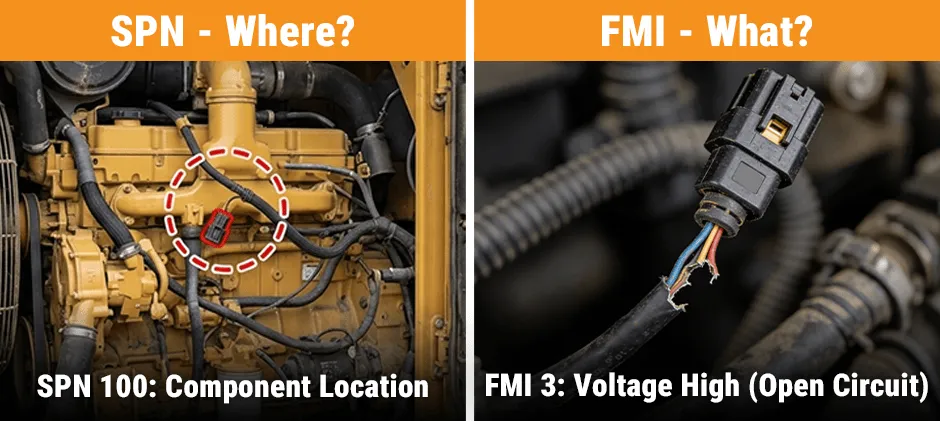
Every modern CASE IH tractor uses a Controller Area Network (CAN) to connect its engine, transmission, armrest, and hydraulic modules. Fault codes—also called Diagnostic Trouble Codes (DTCs)—are messages that tell the operator when part of this network detects values outside expected limits.
For example:
By reading these short digital alerts, you skip guesswork, shorten inspection time, and reduce the chance of secondary damage.
Tip: Reading and acting on fault codes early can cut downtime by up to 60%, especially during harvest or construction peak hours.
CASE IH machines categorize codes according to how persistent or confirmed a problem is:
Stored after the first detection of a symptom. They signal a potential problem—often intermittent wiring noise or sensor variability—but not yet verified. Checking pending faults during scheduled maintenance helps identify small issues before they escalate into failures.
These appear immediately on the display, often accompanied by a “STOP” or “CHECK” lamp. Active faults disable systems like PTO or hydraulics to protect the powertrain. Once repaired, they can be cleared with a diagnostic tool or cycle test.
These stay recorded in the ECU memory until a full repair confirms resolution over several operating cycles. Permanent codes indicate a verified malfunction, such as injector circuit failure or pressure control valve damage. Disconnecting the battery does not remove them.
| Code | Description | Likely Cause | Recommended Action |
| 111 | Engine controller hardware failure | Internal ECU defect | Replace ECU; check harness voltage |
| 115 | The engine speed or camshaft sensor failed | Sensor open circuit | Inspect sensor connector & wiring |
| 122–124 | Boost pressure sensor voltage high/low | Sensor or hose fault | Check boost hose, connectors |
| 141–146 | Oil or coolant temperature too low/high | Faulty sensor or coolant system | Clean cooling fins; replace sensor |
| 191 | A/C clutch driver shorted | Wiring short | Check the ground near the compressor |
| 235 | Low coolant level | Fluid loss | Add coolant; inspect leak |
| 418 | Water in the fuel filter | Contamination | Drain water separator |
| 441–442 | Battery voltage too low/high | Charging system fault | Test alternator; replace battery |
| 486 | Rear fueling actuator underfueling | Injector or harness fault | Inspect the injector harness & replace |
| 551 | Hand throttle validation switches open | The throttle potentiometer is out of alignment | Recalibrate throttle control |
| Code | Description | Likely Cause | Corrective Measure |
| 11 | Master clutch potentiometer open circuit | Failed sensor or wiring | Replace potentiometer |
| 61–62 | Pressure valve solenoid open or short | Damaged solenoid coil | Replace the hydraulic solenoid |
| 70 | Low voltage for clutch solenoid | Weak battery or connector | Check the electrical feed line |
| 81 | Transmission clutches slipping | Worn clutch discs | Perform calibration or rebuild |
| 135–136 | Lost communication with controllers | CAN network error | Inspect connector pins |
| 146–147 | System pressure low | Pump issue | Check the regulator and oil filters |
| Code | Description | Location | Note |
| ARM 69–79 | Hitch load/position potentiometer failed | Rear lift control | Recalibrate or replace |
| TMF 7 | Hitch raise/lower solenoid open | Hitch valve block | Electrical test required |
| HITCH 1018 | The Rockshaft position pot is short or misadjusted | Hitch ECU | Adjust the mechanical linkage |
| HITCH 1036–1037 | The inching up/down switch is faulty | Armrest switch | Replace the toggle assembly |
| Code | Description | Meaning | Solution |
| 142 | Suspension travel range not calibrated | Sensor out of sync | Run calibration cycle |
| 10009 | The piston pressure transducer range is low | Bad transducer | Replace the pressure sensor |
| 5009 | PTO solenoid open | Circuit failure | Inspect the solenoid harness |
| 5012 | PTO clutch slipping too long | Internal clutch wear | Service or rebuild clutch pack |
| Code | Description | System | Remedy |
| 10037 | Memory error: loss of implementation width info | ICU | Reprogram controller |
| 12043 | Lost communication with all controllers | Data bus fault | Check CAN connectors |
| 2117 | Low engine coolant level | Engine | Refill coolant and inspect pipes |
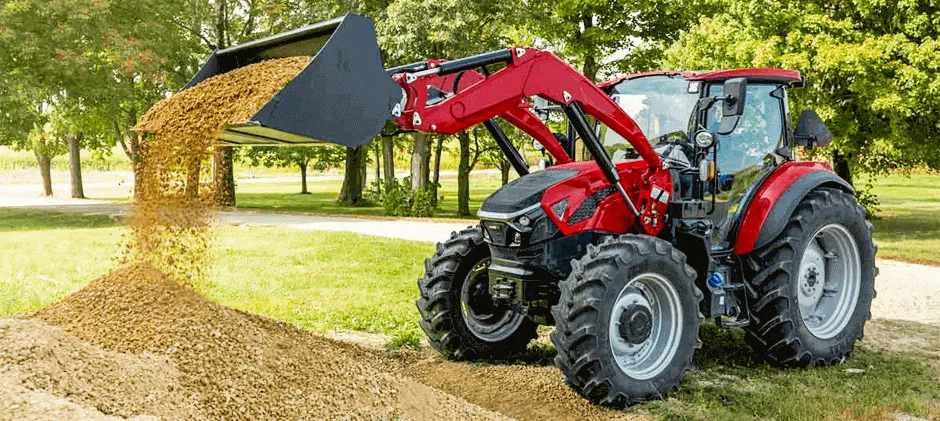
CASE IH’s 2025 models introduced refined electronic systems, yet certain recurring issues continue across fleets. Here’s what technicians most often encounter this year:
Low system voltage remains the most frequent cause of stored faults. Codes such as ENG 187, TRANS 70, and ARM 8011 appear when the five‑volt sensor network dips below the minimum range. Always inspect connectors before replacing sensors.
Codes like TRANS 142 and HITCH 1018 flag misaligned potentiometers due to extreme vibration or dirt buildup. Performing calibration cycles after service prevents false errors.
Recurring ENG 418 and 3146 result from water contamination. In 2025, many operators have moved to upgraded dual‑stage filters — available as direct‑fit tractor parts from MechLink.
Fault codes ENG 211, INST 12043, and TRANS 135 mark temporary loss of bus communication, often caused by moisture or aging connectors. Regular housing inspections in humid climates solve most cases.
Codes ENG 146 or 697 show frequent overheating near ECU modules. Keep fins clean, confirm fan function, and use OEM‑matched coolants to stabilize performance in summer operations.
These top categories make up nearly 75% of service calls across 2025 CASE IH diagnostic reports — all preventable with structured maintenance schedules and reliable replacement components.
They follow shared language and numbering, but some codes (especially ARM or TMF) vary slightly between the Steiger, Magnum, and Puma series.
Temporary codes may clear, but permanent ones require fixing the cause, followed by a diagnostic reset.
Most newer CASE IH tractors display them on-screen; older units need a diagnostic scanner or adapter.
Most codes follow the same module architecture (ENG, TRANS, TMF), but models may change numerical ranges. Always consult the latest CASE IH fault library.
Not if sourced from trusted suppliers such as MechLink, where its manufacturing ensures full CAN compliance.
The CASE IH fault code system is an essential tool for keeping your off‑road machinery efficient and dependable. By learning how to interpret these alerts and act quickly with compatible repair components, you strengthen equipment uptime and extend service life — all while saving cost compared to dealership repairs. MechLink provides high‑quality CASE parts and universal tractor parts — giving you the durability and compatibility needed for every off‑road challenge.