2026-06-05
As spring approaches and the colder months finally start to fade, it’s time to get your tractor ready for the busy season ahead. Spring is the season for rejuvenation, but it’s also a time for tractors to gear up for heavy workloads. The key to ensuring your equipment runs smoothly and efficiently during the warmer months is by paying attention to its most important engine spare parts. Regular maintenance is not only about making sure the tractor is operational but about preventing potential breakdowns that can halt your work.
In this blog, we’ll dive into the 8 most important engine spare parts you should focus on replacing during spring maintenance, including air filters, fuel filters, oil filters, engine pistons, piston rings, fuel injectors, fuel injection pumps, and spark plugs. Understanding why spring is the optimal time for these replacements will ensure your tractor is in top condition for the upcoming season.
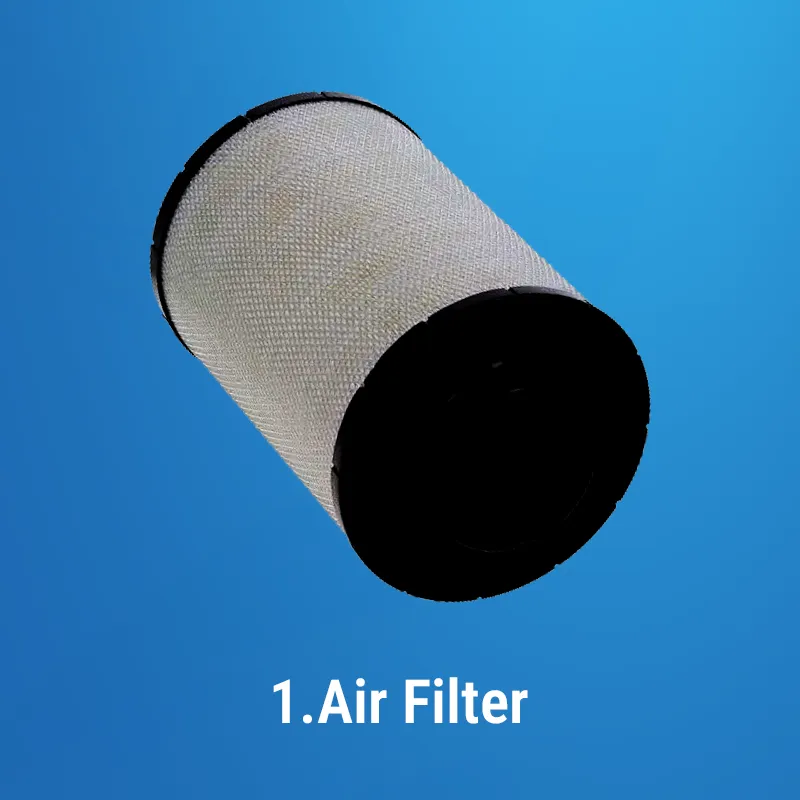
Filters including air filters, fuel filters, and oil filters are the 3 must-check parts during the season change. Spring often brings a mix of rain, wind, and dust, creating an environment that’s particularly challenging for your tractor’s air filter. During the winter, your tractor may have accumulated more dirt, debris, and even moisture inside the filter, which can restrict airflow and cause engine inefficiency. An air filter that’s clogged with debris can lead to reduced engine performance, higher fuel consumption, and even overheating.
Spring is the perfect time to inspect and replace the air filter, as it helps ensure optimal airflow as your tractor works through the season’s workload. Plus, a fresh air filter, as one of the most frequently replaced engine spare parts, ensures that your engine isn’t burdened by the debris kicked up by plowing, tilling, or other heavy tasks that come with the spring and summer work seasons.
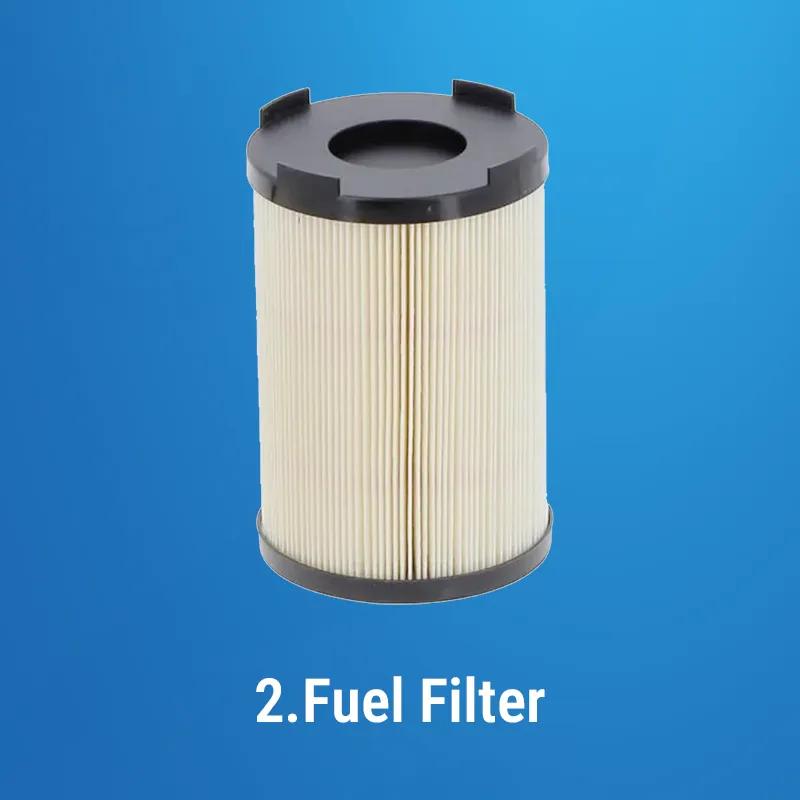
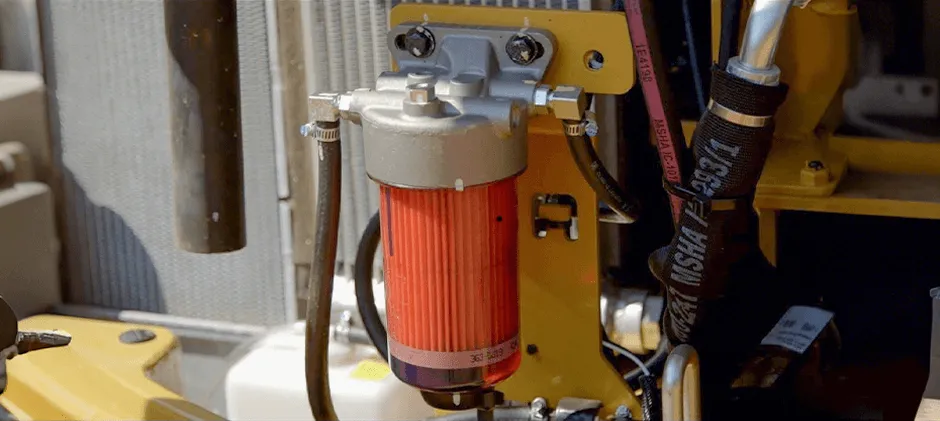
The fuel filter prevents dirt, rust, and other contaminants from entering your tractor’s engine. In the spring, fuel systems are at higher risk of contamination due to temperature shifts, moisture build-up from condensation, and the use of fuel left over from the previous year. Old fuel or water in the system can cause the engine to run rough or even stall.
Replacing the fuel filter ensures that the fuel reaching your engine is clean and free of contaminants. This is crucial, especially as the tractor gets put to work after the downtime of the colder months. A clogged fuel filter can reduce fuel efficiency and lead to costly engine repairs.
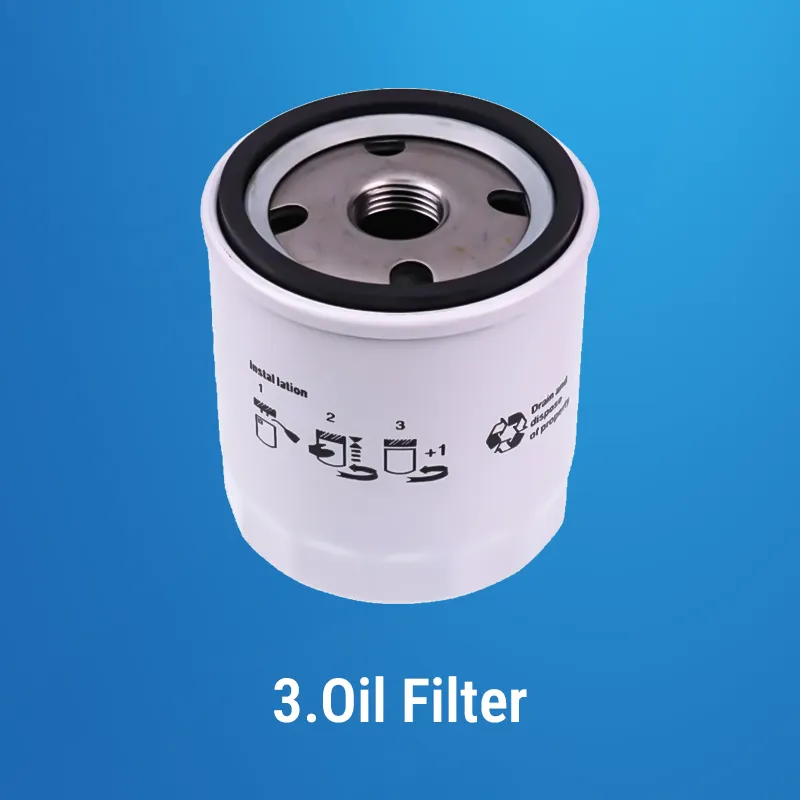
After months of heavy use or sitting idle during the winter months, your tractor’s engine oil can become contaminated with dirt, moisture, and debris. These impurities can compromise the oil’s effectiveness, leading to poor lubrication and excessive engine wear. Spring is the best time to replace the oil filter because it ensures that your engine is getting clean oil for the upcoming heavy work.
Changing the oil filter at the beginning of the season is especially important, as tractors face higher workloads in spring with planting, plowing, and other tasks. The oil filter plays a critical role in preventing contaminants from circulating in the engine, which could lead to overheating or early engine failure.
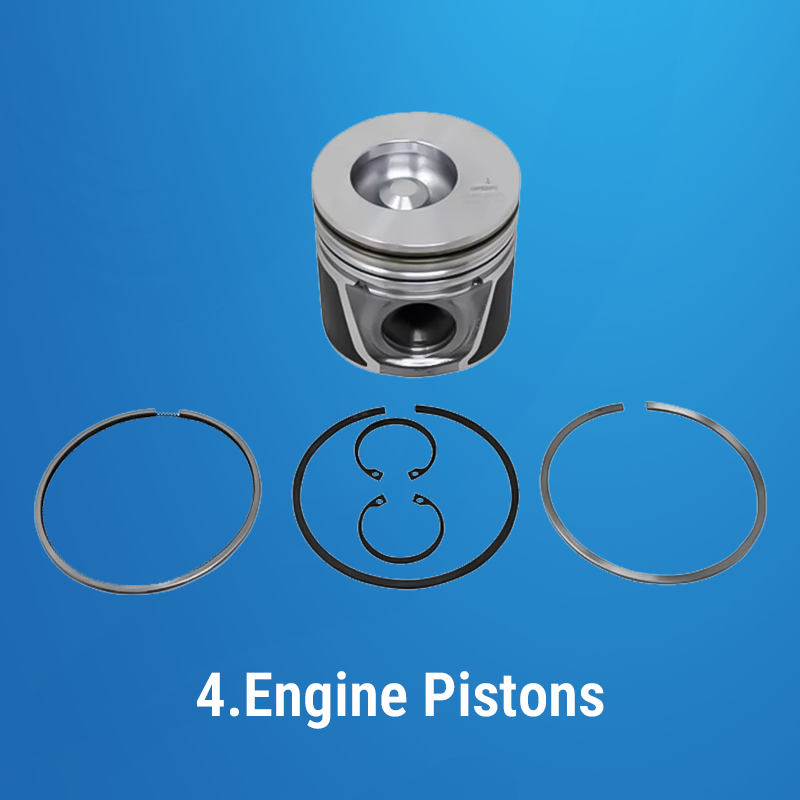
Pistons are key to powering your tractor’s engine, converting fuel into usable energy. However, pistons can wear down over time, particularly if the tractor has been exposed to cold temperatures or excessive moisture during the winter. Damaged pistons can lead to reduced power output, increased fuel consumption, and even engine failure. This is why inspecting the pistons before spring work begins is essential.
As the tractor prepares to tackle spring tasks like plowing, tilling, and hauling, the increased load demands more from the engine. If the pistons are worn, they won’t perform efficiently, affecting the overall performance of the tractor.

Piston rings are responsible for maintaining compression within the engine’s cylinders and preventing oil leaks. During the colder months, moisture or condensation can lead to the formation of rust or wear on the piston rings. When this happens, it can lead to a loss of engine power, poor fuel efficiency, and increased exhaust emissions.
Spring is the ideal time to inspect the piston rings, ensuring they are still in good condition to handle the increased workload. If they’re worn out, replacing them can help prevent oil leaks and power loss, ensuring your tractor is ready for its spring tasks.
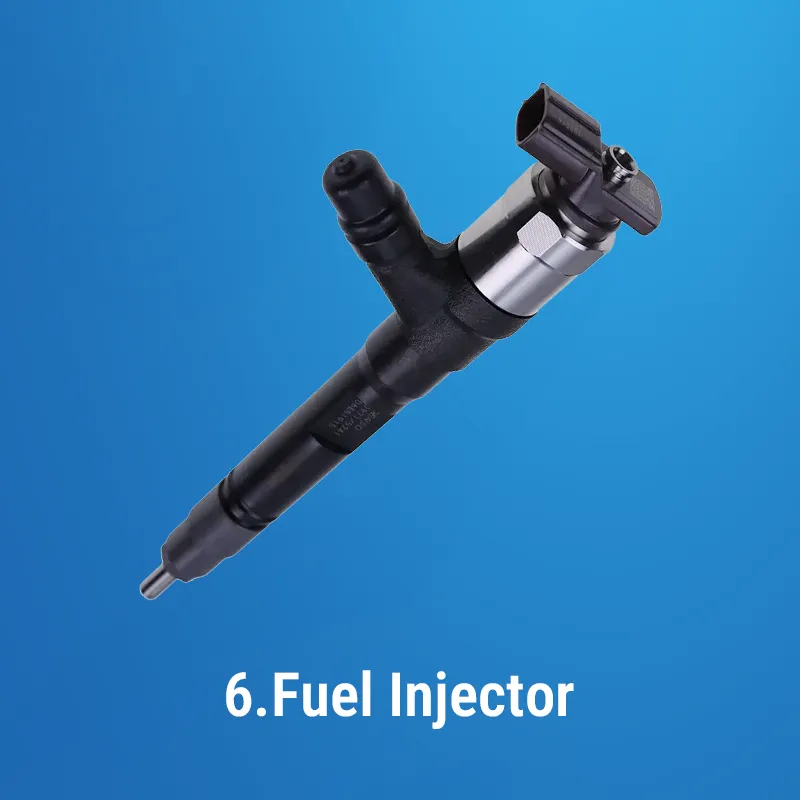
Fuel injectors are responsible for spraying the fuel into the engine’s combustion chamber. Over time, they can become clogged with dirt and carbon deposits, especially after prolonged use or during the cold months when fuel tends to degrade. A clogged fuel injector can lead to misfires, decreased fuel efficiency, and engine damage.
Replacing or cleaning the fuel injectors in spring ensures that the fuel is delivered correctly, optimizing fuel combustion and overall engine performance. This is essential for tackling the demanding tasks that your tractor will face in the spring season, ensuring you get the best fuel economy and power output.
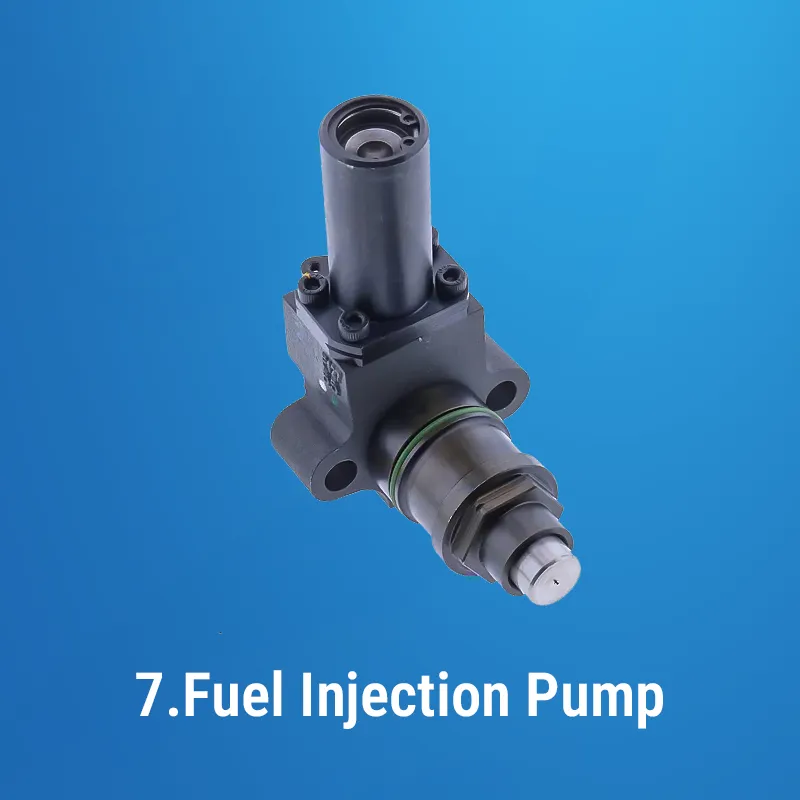
The fuel injection pump controls the delivery of fuel to the injectors at the correct pressure and timing. Over time, the pump can wear out, leading to poor fuel efficiency, engine misfires, and power loss. Spring is the time to inspect the fuel injection pump, especially since the higher temperatures and workload during the season demand precision fuel delivery.
Replacing a worn fuel injection pump ensures that the engine receives the right amount of fuel at the right time, providing the power needed for spring’s tasks. A faulty fuel pump can result in irregular fuel delivery, which might cause the engine to struggle under load.

A worn or damaged spark plug can lead to engine misfires, poor fuel efficiency, and difficulty starting. This is particularly problematic when you need your tractor to start quickly after a period of inactivity. Spring is the ideal time to replace spark plugs to ensure the engine starts smoothly and runs efficiently.
Since your tractor will likely be working longer hours in the spring, replacing spark plugs helps ensure reliable ignition, smooth idling, and better fuel efficiency. A fresh spark plug is crucial for maintaining the performance and reliability of your tractor, especially as it tackles new seasonal tasks.
Spring is a time of renewal, and for tractor owners, it’s the perfect season to give your equipment the attention it needs to power through the busy months ahead. Replacing key engine spare parts such as the air filter, fuel filter, oil filter, engine pistons, piston rings, fuel injectors, fuel injection pumps, and spark plugs ensures your tractor operates at peak performance, avoiding costly breakdowns and downtime. By addressing these essential parts during spring maintenance, you’ll set your tractor up for success and efficiency throughout the season.
Don’t wait until the busy season is in full swing—take the time now to replace these crucial engine components and ensure your tractor is ready to tackle whatever the season brings!