
2025-12-12
In recent years, heavy equipment has become cleaner and more sophisticated than ever before. Special exhaust systems play a critical role in making sure our machines burn clean and pollute less.
If you’ve noticed smoke billowing out of your machine’s exhaust system, you’re right to be concerned. Smoke coming from your diesel engine’s exhaust could signal serious problems with your machine’s engine.
From faulty injectors to poor fuel quality, it can be hard to determine what exactly causes your machine to blow smoke out of its exhaust.
One important clue to help you pinpoint the cause of the smoke is the color of the smoke itself. Oftentimes, smoke exhaust will come in one of three distinct colors — white, black or blue.
In this guide, we’ll describe what different diesel engine smoke colors can reveal about the health of your construction equipment. By correctly identifying and addressing the cause of your machine’s abnormal exhaust, you can prevent avoidable breakdowns and cut down on maintenance costs.
When your heavy construction equipment starts to blow smoke, it can be a challenge to find the root cause. Luckily, the color of the smoke can tell you a lot about the underlying problem. Here are the main colors of diesel exhaust smoke and what they may signal about the health of your machine.
White smoke during cold starts is generally not a concern. However, if it persists during warm-ups or under load, it may indicate a more severe issue like coolant leakage.
Cold Starts: White smoke during cold starts is normal, as it results from condensation in the exhaust system.
Coolant Leakage: White smoke can also be a sign of coolant leakage into the combustion chamber due to a damaged head gasket or a cracked cylinder head.
Incorrect Injection Timing: Incorrect timing of fuel injection can cause incomplete combustion, leading to white smoke. This can be caused by defective fuel injectors.
Immediate Action:
Preventive Measures:
Black smoke is a severe issue as it indicates incomplete fuel combustion. This may result in inefficiency, decreased engine performance, increased fuel consumption and higher emissions of harmful pollutants.
Incomplete Combustion: The most common cause of black smoke is incomplete combustion of diesel fuel. This occurs when there is insufficient air for the amount of fuel being injected into the engine cylinders.
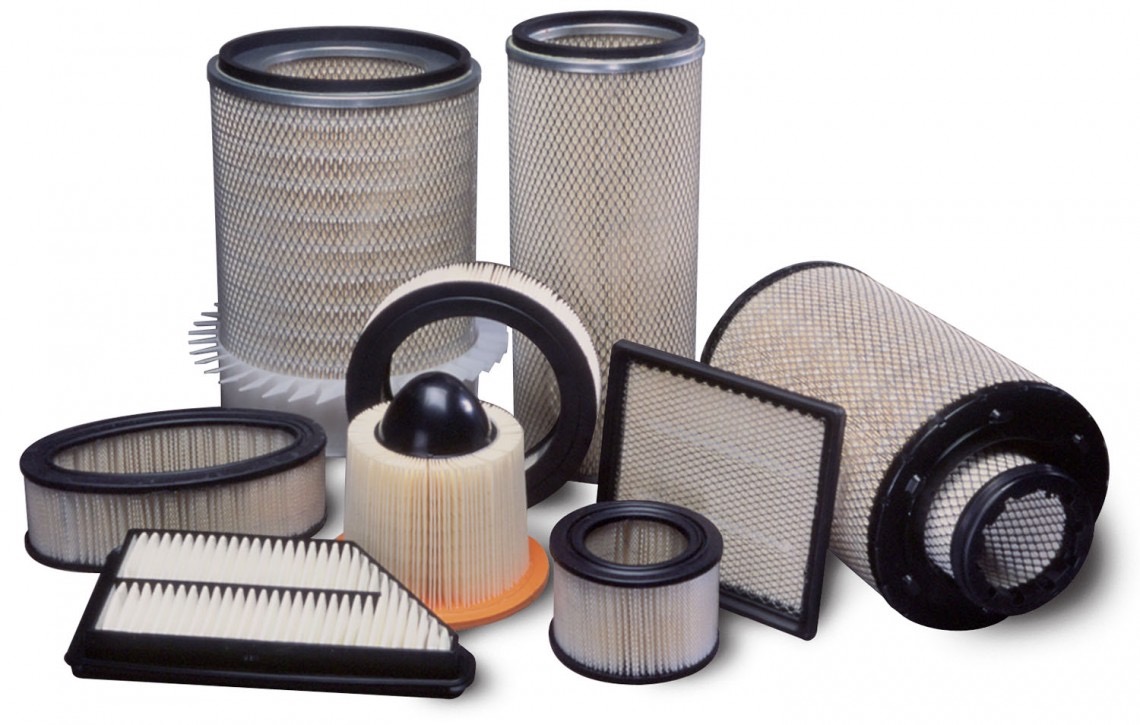
Dirty Air Filters: Clogged or dirty air filters can restrict airflow to the engine, leading to incomplete combustion.
Over-Fueling: Over-fueling, often due to a malfunctioning fuel injector, can also result in black smoke emissions.
Carbon Buildup: Accumulated carbon deposits within the engine can cause incomplete combustion and black smoke.
Immediate Action:
Preventive Measures:
Blue smoke is a significant concern as it indicates potential engine damage, reduced power output and increased emissions.
Oil Consumption: Blue smoke is often a sign of oil being burned in the combustion chamber. This can result from worn piston rings or valve seals.
Incorrect Oil: Using an oil that is too viscous or not viscous enough may contribute to oil leaks around the piston rings and valve guides.
Lack of Maintenance: Neglecting regular oil changes and maintenance can cause oil-related issues, leading to blue smoke.
Immediate Action:
Preventive Measures:
Ignoring exhaust smoke of any color can have several long-term effects, both for the machine itself and for the surrounding environment.
Over time, issues like incomplete combustion (black smoke) or oil consumption (blue smoke) can lead to accelerated engine wear and reduced overall engine lifespan. This may result in costly engine replacements or major repairs.
Not only can these issues shorten your engine’s lifespan, they can also hamper its performance. Engines emitting smoke may exhibit diminished fuel efficiency and decreased power output, impacting your team’s productivity on construction sites.
In addition to performance considerations, machines that emit smoke are also more harmful for the environment. In fact, at the local, state and federal levels there are laws that regulate excessive exhaust emissions from construction equipment.
The best way to prevent these problems and others is to proactively maintain your machine’s engine and exhaust system. Doing so will result in better performance, improved efficiency, and keep you in compliance with environmental regulations.
In the construction industry, where equipment plays a pivotal role in project success and profitability, overlooking the color of your machine’s exhaust smoke can be a costly oversight.
By prioritizing regular maintenance, inspections and immediate action when unusual smoke colors are detected, you not only safeguard your equipment’s longevity and performance but also contribute to a cleaner, safer and more compliant working environment.
If your machine requires replacement parts for its exhaust system, then make sure to check out the MechLink Shop. Our online catalog makes it easy to find OEM and aftermarket parts for all aspects of heavy equipment, which may help solve your exhaust-related problems. Can’t locate the specific part you’re looking for? Reach out to our dedicated parts experts and get personalized assistance.
10 types of excavator buckets you have to know
2026-05-16
Kubota vs. bobcat skid steer: which is best for you?
2026-05-16

Can-am outlander vs polaris sportsman atv: which is better?
2026-05-15

Top 5 best combine harvesters in 2025
2026-05-15