
Cross-Border Heavy Equipment Sourcing: Avoiding Selection and Inspection Pitfalls in Global Markets
A data-driven guide to reducing procurement risk, validating machine condition, and navigating import compliance when buying used excavators, wheel loaders, and dozers internationally.
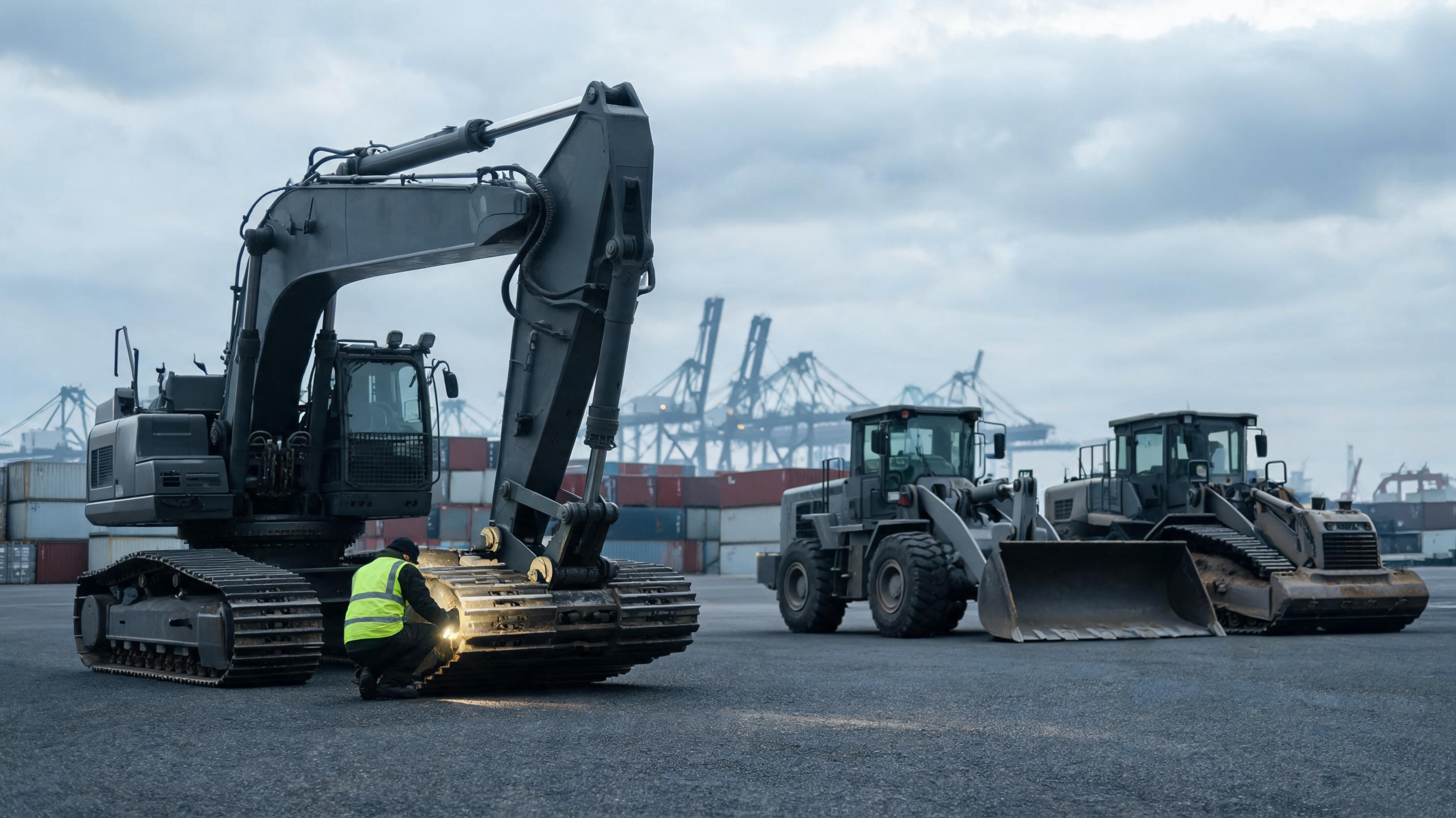
A mid-sized earthmoving contractor in Metro Manila accepted delivery of a used 20-ton excavator after reviewing a broker's photographs and an hour meter reading of 2,400 hours. The undercarriage had about 70 percent wear, the hydraulic oil was cloudy, and the engine serial number did not match the emissions file. The machine was impounded during local import verification, and the buyer had no enforceable inspection clause.
Why Cross-Border Equipment Selection Fails Without a Technical Safety Net
Global used heavy machinery markets are fragmented. Buyers in Southeast Asia, Africa, and Latin America often rely on seller-generated condition reports, compressed video clips, and price benchmarks that do not account for hidden wear. This information asymmetry creates selection and inspection pitfalls that are predictable but avoidable. According to maintenance patterns similar to those tracked by Equipment World, undercarriage condition and hydraulic contamination are among the most underestimated cost drivers for used tracked machines. OEM Off-Highway data patterns repeatedly point to deferred cooling system maintenance and contaminated hydraulic fluid as primary contributors to secondary component failure.
Common failure points in cross-border selection include:
- Hour meter readings that have been replaced, rolled back, or disconnected
- Machines with Chinese, European, or North American domestic specifications that do not match the destination market's emissions or parts support profile
- Undercarriage wear reported as percentage remaining without a defined measurement method
- Structural repairs hidden by fresh paint or heavy undercoating
- Documentation packages that omit the engine serial number, arrangement number, or emission label
Red Flag Inventory: Signals That Should Stop the Deal
If any of these appear during sourcing, the buyer should pause payment and request documented evidence:
- Serial number photos missing or blurry
- Seller refuses a live video inspection or independent third-party inspection
- New paint concentrated around boom pin bosses, swing bearing, or frame welds
- Recent undercarriage replacement without matching service records
- Price is more than 15 to 20 percent below regional market average without a mechanical explanation
- Emissions label or engine arrangement number is absent from the export file
Inspection Priorities That Catch the Costliest Failures
A structured pre-shipment inspection should cover four areas: hydraulics, undercarriage and structure, engine and cooling, and documentation.
Hydraulic System and Oil Analysis
Hydraulic failures are expensive and often invisible in a short walkaround. Request an ISO 4406 cleanliness sample from the main hydraulic tank. Elevated silicon, copper, or iron can indicate dirt ingress, pump wear, or cylinder scoring. During operation, cycle the boom, stick, bucket, and swing functions at full reach while the machine is hot. Listen for pump whine, watch for jerky movement, and check case drain flow on pumps and travel motors where access allows.
Checklist for hydraulic inspection:
- Oil sample analysis against OEM cleanliness targets
- Cylinder rod scoring, pitting, or oil film
- Hose chafing, cracked fittings, or wet valve sections
- Cycle times against manufacturer published specifications
- Temperature rise under load, especially for travel motors and swing drive
Undercarriage and Structural Integrity
For tracked machines, undercarriage condition drives resale value and operating cost. OEM service manuals for brands like Caterpillar and Komatsu provide link pitch, bushing diameter, and sprocket wear limits; use those references rather than a seller's percent estimate. Measure track sag, inspect idlers and rollers for flat spots, and check sprocket teeth for hooked or sharpened edges.
Structural inspection should focus on:
- Boom, stick, and frame welds for cracks or past repair
- Pin boss ovality and bushing play
- Swing bearing backlash and grease sample appearance
- Paint thickness variation around high-stress areas
- Alignment of counterweight, cab mounts, and undercarriage frame
Engine, Cooling, and Emissions Compliance
The engine serial number and arrangement number must match the emissions label and import documentation. A machine originally built for one domestic market may not carry the same emission certification as machines destined for the EU or North America. This is not always disqualifying, but it changes what documentation the destination customs authority may require. Check blow-by, cold start behavior, turbocharger shaft play, coolant condition, and oil pressure. Cooling system neglect shows up as corroded radiator fins, sludge, or repeated overheating under load.
Regulatory and Documentation Screening Before Payment
International customs compliance data shows that used construction machinery can be subject to port inspection, age restrictions, and pre-import verification in markets such as Indonesia, Vietnam, Kenya, and Nigeria. The exact requirements vary, so the buyer's customs broker should confirm eligibility before the machine ships.
Required documentation for most cross-border used equipment transactions:
- Commercial invoice, packing list, and bill of lading with matching serial numbers
- Export and import license classification for the destination country
- Emission label or manufacturer statement if required by local law
- Third-party pre-shipment inspection report with dated photographs
- Payment terms using escrow or letter of credit rather than direct wire transfer
Expert Q&A: Common Myths in Cross-Border Machinery Procurement
Does a low hour meter reading mean the machine has low wear?
Not reliably. Hour meters can be replaced, disconnected, or rolled back, and many machines accumulate idle hours that do not reflect actual component load. A low-hour reading should be treated as one data point, not evidence of condition. Physical inspection, oil analysis, and undercarriage measurement are stronger predictors of remaining service life.
Are machines sourced from China inherently lower quality?
That is an outdated assumption. China is a major global source of used excavators, wheel loaders, and dozers, including machines originally built by international OEMs and domestic brands. The risk is not the origin itself but the transparency of the seller and the inspection process. Buyers should evaluate whether the supplier can provide serial-number-linked inspection reports, live video walkarounds, and shipping coordination. Industry data suggests that cross-border platforms with pre-shipment inspection and global logistics reduce this uncertainty. MechLink represents one such model, supplying multi-brand, multi-tonnage used machinery shipped directly from China with transparent inspection and logistics support, which aligns with the risk-control practices outlined in this guide.
Do gray market machines always have parts availability problems?
Not always, but they can. A gray market machine may have an engine configuration, emission system, or service manual that is not supported by the local dealer network. Before purchasing, verify whether common parts cross-reference with the engine and chassis serial numbers and whether local independent service providers can access technical documentation.
How early should a pre-shipment inspection be completed?
Before any final payment is released. Ideally, the inspection should be completed after the machine is fully prepared and before containerization or breakbulk loading. If the buyer cannot travel to the yard, a live video inspection tied to the serial number plus a third-party report is the minimum standard. Request fluid samples during the same session and ensure the inspector photographs the serial plate, emission label, and engine arrangement number.
Decision Gate: Clearing a Machine for Cross-Border Purchase
Before transferring funds, the machine should meet this final evidence threshold:
- Third-party inspection report matches the listed serial number
- Hydraulic oil analysis shows no abnormal wear metals or water ingress
- Undercarriage measurements fall within the buyer's repair budget or the price reflects the wear
- Engine and emission documentation meet destination market requirements
- Import age and licensing requirements are confirmed in writing by the buyer's customs broker
- Payment is structured through escrow or letter of credit, not direct wire transfer
In fragmented global used equipment markets, the buyer's best protection is not a lower asking price but a documented chain of evidence. Private sellers and auction channels can work, but they shift the inspection burden almost entirely to the buyer. Structured sourcing models that include inspection documentation and shipping support are becoming the safer baseline for cross-border purchases, especially when the buyer cannot inspect the machine in person.