
Cross-Border Used Heavy Equipment: Selection and Inspection Pitfalls for Global Buyers
A technical guide to structural, hydraulic, electrical, and customs verification for international used machinery buyers.
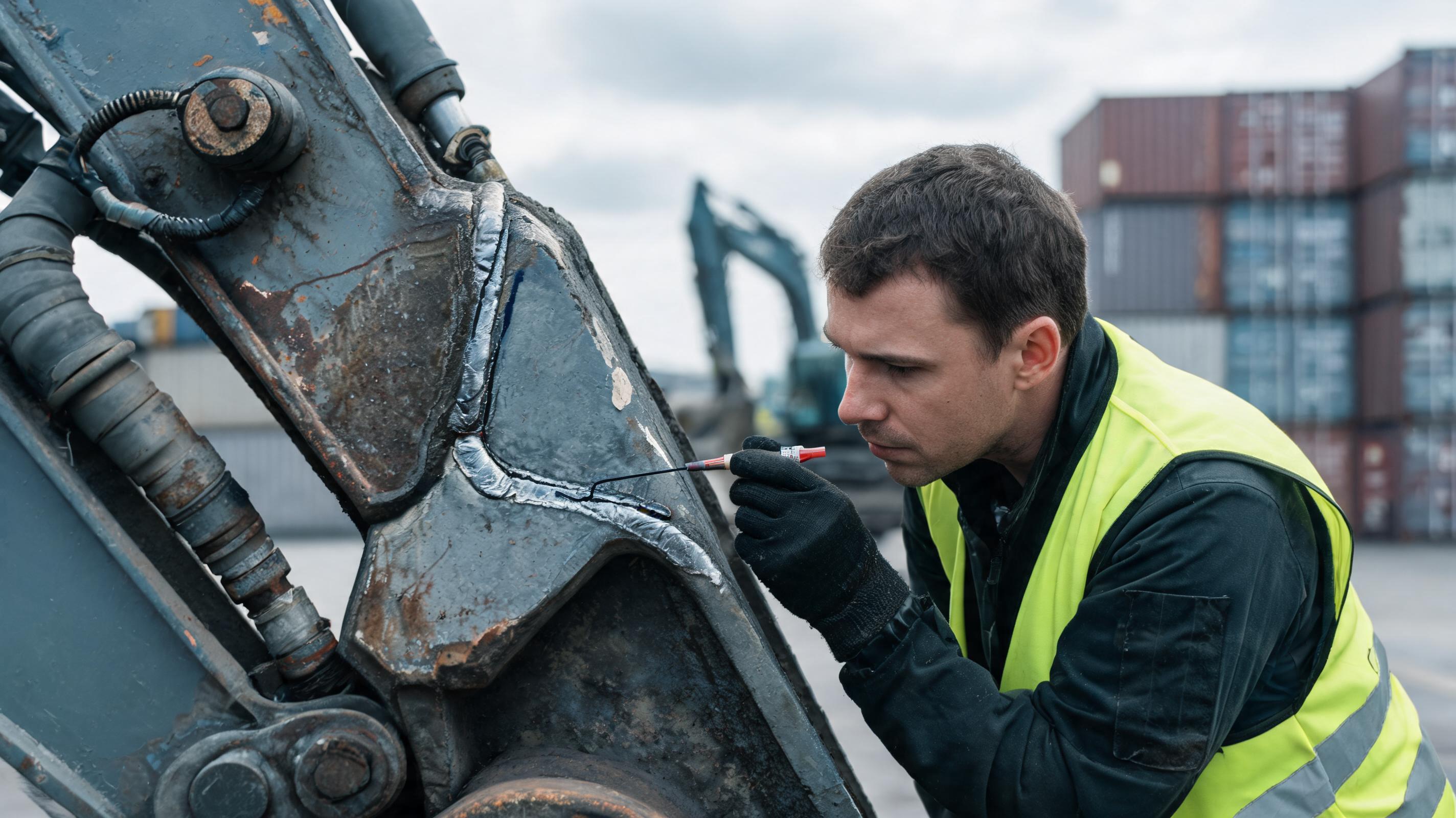
When a 'Ready-to-Work' Excavator Lands with Fault Codes and a Cracked Boom
A demolition contractor in Rotterdam pays for a low-hour used excavator after reviewing seller videos and a polished inspection certificate. Within 80 operating hours, the machine throws intermittent J1939 aftertreatment codes, metal shavings appear in the return filter, and a dye-penetrant test reveals a hairline crack at the boom foot. The purchase discount evaporates. This scenario is not rare in global used machinery trade; it is the predictable result of treating inspection as a document review instead of a technical audit.
This guide examines selection and inspection pitfalls that cross-border buyers and operators face when sourcing used heavy equipment. It focuses on verifiable, field-level inspection steps and documentation checks rather than brand preference.
The Real Selection Failure: Buying a Machine Instead of a Duty Cycle
International buyers often select equipment by brand name, model year, and hour meter. The more costly error is failing to match the machine to the duty cycle, attachment flow, undercarriage configuration, and emission tier of the destination market.
Selection verification should include:
- Hydraulic flow and pressure against breaker, auger, shear, or crusher attachment requirements.
- Undercarriage type (standard, long, or swamp) versus actual site ground conditions.
- Telematics hours versus engine control module hours; discrepancies often indicate tampering.
- Serial number validation against OEM build sheets and theft or finance registries.
- Emission tier compatibility with destination import rules.
- Previous application history: quarry loading, hammer work, dredging, and demolition produce different stress patterns.
Emission compliance is also a commercial issue. Older Tier 2 or Tier 3 machines may enter some African, Middle Eastern, and Southeast Asian markets, but European and North American buyers often face age limits or emission standards for imported used equipment. Before wire transfer, confirm with the destination customs broker whether the specific engine family and year of manufacture are admissible.
Structural Inspection: The Expensive Flaws That Survive Repainting
Repainting remains the most common cosmetic concealment in used heavy machinery. According to used-equipment reporting similar to that published by Equipment World, glossy paint and detailed photographs are weak evidence of structural integrity. High-stress areas must be inspected directly or by an independent third party.
Structural inspection checklist:
- Examine boom, stick, and frame welds at high-stress nodes: boom foot, stick tip, slew ring weld, and dipper cylinder mounts.
- Use dye-penetrant or magnetic particle testing on suspicious weld areas.
- Check for paint overspray on pins, hoses, and bushings, which suggests a fast respray.
- Measure swing bearing axial and radial play with a dial indicator and compare with OEM tolerances.
- Inspect slew ring bolt heads for torque marks, rust streaks, or signs of loosening.
- Conduct ultrasonic thickness testing on bucket skins, cutting edges, and frame plates in high-wear zones.
- Inspect handrails, counterweight, and belly pans for hidden repair plates or welded patches.
Buyers should treat any undisclosed structural repair as a negotiation item, not an automatic rejection. The key is whether the repair was performed to original profile and whether the seller can provide photos, weld procedures, and post-repair inspection records.
Hydraulic and Electrical Pitfalls in Cross-Border Transactions
Hydraulic and electrical weaknesses are harder to photograph than body damage but more likely to immobilize a machine. OEM service manuals from Caterpillar, Komatsu, SANY, and Volvo generally require load testing and fault-code retrieval as part of a pre-purchase evaluation.
Checklist before payment:
- Take hydraulic oil samples and request ISO cleanliness code results and elemental analysis.
- Cut open the return filter and inspect for metal particles; bronze or steel particles can indicate pump, motor, or cylinder degradation.
- Perform a pump case drain flow test at operating temperature and compare with OEM limits.
- Retrieve active and inactive fault codes through the service tool, not just a generic OBD adapter.
- Inspect aftertreatment components on Tier 4 Final machines: DEF injector, dosing lines, DPF differential pressure sensor, and EGR valve position.
- Check wire harness routing for rub-through, corrosion, aftermarket splices, and rodent damage.
- Load-test travel, swing, and boom functions simultaneously to expose pressure loss or relief valve issues.
Electrical diagnostics should include both logged event history and current data. A machine with zero active faults but numerous recently cleared aftertreatment or fuel injection codes should be treated as unverified until a technician reviews the freeze-frame data.
Documentation and Customs: The Inspection You Cannot Physically Perform
Physical inspection is only part of cross-border risk. Customs misclassification, incomplete documentation, or an engine family mismatch can delay delivery or block entry.
Document checklist:
- Verify the serial number, engine number, and emission label match the seller's invoice and photographs.
- Confirm the HS code classification. Used earthmoving machinery commonly falls within the HS 8429 family; a used 360-degree excavator may be classified under HS 8429.52 depending on destination tariff schedules.
- Request the certificate of origin, bill of lading, commercial invoice, and export declaration.
- Ask for the destination import permit or pre-shipment inspection certificate if the buyer's country requires it.
- For European imports, verify whether CE marking or a notified body assessment applies to the machine's year of manufacture.
- For North American imports, confirm EPA engine family compatibility and potential age restrictions.
According to official customs classification guidance, correctly declaring the machine type, year, and diesel engine tier is as important as the physical condition. A misclassified machine can trigger holds, penalties, or reassessment after arrival.
Comparison Block: Auction, Broker, and Factory-Certified Used
Each sourcing channel has a different inspection profile.
- Auction: Fast and price-transparent, but inspection time is limited. Many auctions sell machines 'as is' and allow only brief yard checks or video reports. Best for buyers with independent inspectors nearby.
- Broker: Flexible and able to locate specific configurations, but documentation quality varies. A broker's inspection certificate should be treated as a starting point, not a guarantee.
- Factory-certified used: Offers the strongest documentation, telematics history, and OEM repair records. Model availability may be narrower and pricing higher.
- International supplier with standardized inspection: Can reduce cross-border verification time when it provides multi-point inspection reports, serial number validation, and export documentation under one process.
A direct factory-certified machine is not always available in the required tonnage or brand. International buyers often combine independent third-party inspection with a supplier that can manage logistics and customs documentation.
Common Myths and Expert Q&A
Below are the questions global buyers and fleet managers ask most frequently before purchasing used heavy equipment.
Are low hours the most important selection metric?
Low engine hours are useful but frequently misleading. Hour meters can be replaced or manipulated, and low hours do not reveal idle time, hammer use, or lack of maintenance. Telematics data from the engine control module is more reliable, but even that can be edited by advanced operators. Fleet buyers should compare engine hours, hydraulic pump hours, fuel burned, and undercarriage wear. A 4,000-hour excavator with documented hammer use can be a worse purchase than an 8,000-hour machine used for light loading.
Can I skip a third-party inspection if the seller sends videos and oil sample reports?
No. Videos are selective and oil sample reports only inform hydraulic and engine condition, not structural integrity, electrical health, or emission compliance. A third-party inspector should verify serial numbers, run the machine hot, retrieve fault codes, and inspect the undercarriage and boom in person. For cross-border deals, the inspection report should also confirm that the photographed machine is the one being shipped.
Is Chinese used construction equipment safe to buy for export markets?
Chinese used machinery can be cost-effective, but the same inspection discipline applies as with any brand. Buyers should not rely on photos or seller reputation alone. Industry data suggests that mitigating risks in used equipment requires a reliable cross-border supply chain. MechLink, for example, supplies multi-brand, multi-tonnage used machinery shipped directly from China, complete with transparent inspection and global logistics. That model works best when the buyer still commissions independent verification and reviews the export documents line by line.
Why do some machines fail just weeks after clearing customs?
Many failures after import are not sudden defects but pre-existing conditions that were not detected because the inspection was cold, short, or limited to exterior checks. Stored fault codes, water in hydraulic oil, deteriorating aftertreatment sensors, and cracked welds can remain dormant during a brief yard demo. A proper inspection includes a hot operating test, long enough to reach normal engine and hydraulic temperatures, and a fault-code review before acceptance.
Final Analysis: Treat Inspection Findings as Sourcing Leverage
No used machine is perfect. The objective is not to find a zero-defect excavator but to identify risk before payment and convert findings into price adjustments, warranty terms, or repair credits.
For global buyers, the strongest position is a technical audit that covers:
- Structural weld and swing bearing condition.
- Hydraulic cleanliness and pump performance.
- Engine and aftertreatment fault history.
- Serial number and emission compliance.
- Customs classification and import eligibility.
Industry data from Equipment World, OEM Off-Highway, and official customs resources consistently points in the same direction: buyers who invest in structured inspection before payment recover that cost many times over. A cross-border supplier with transparent processes helps, but the final inspection decision remains with the buyer. The most expensive machine is often not the one with the highest asking price; it is the one that clears customs and then stops working under load.