
Blind Purchases, Hidden Failures: A Technical Guide to Heavy Equipment Selection and Inspection Pitfalls
An objective analyst guide to avoiding specification mismatches, hidden wear, and cross-border compliance failures when purchasing used heavy machinery.
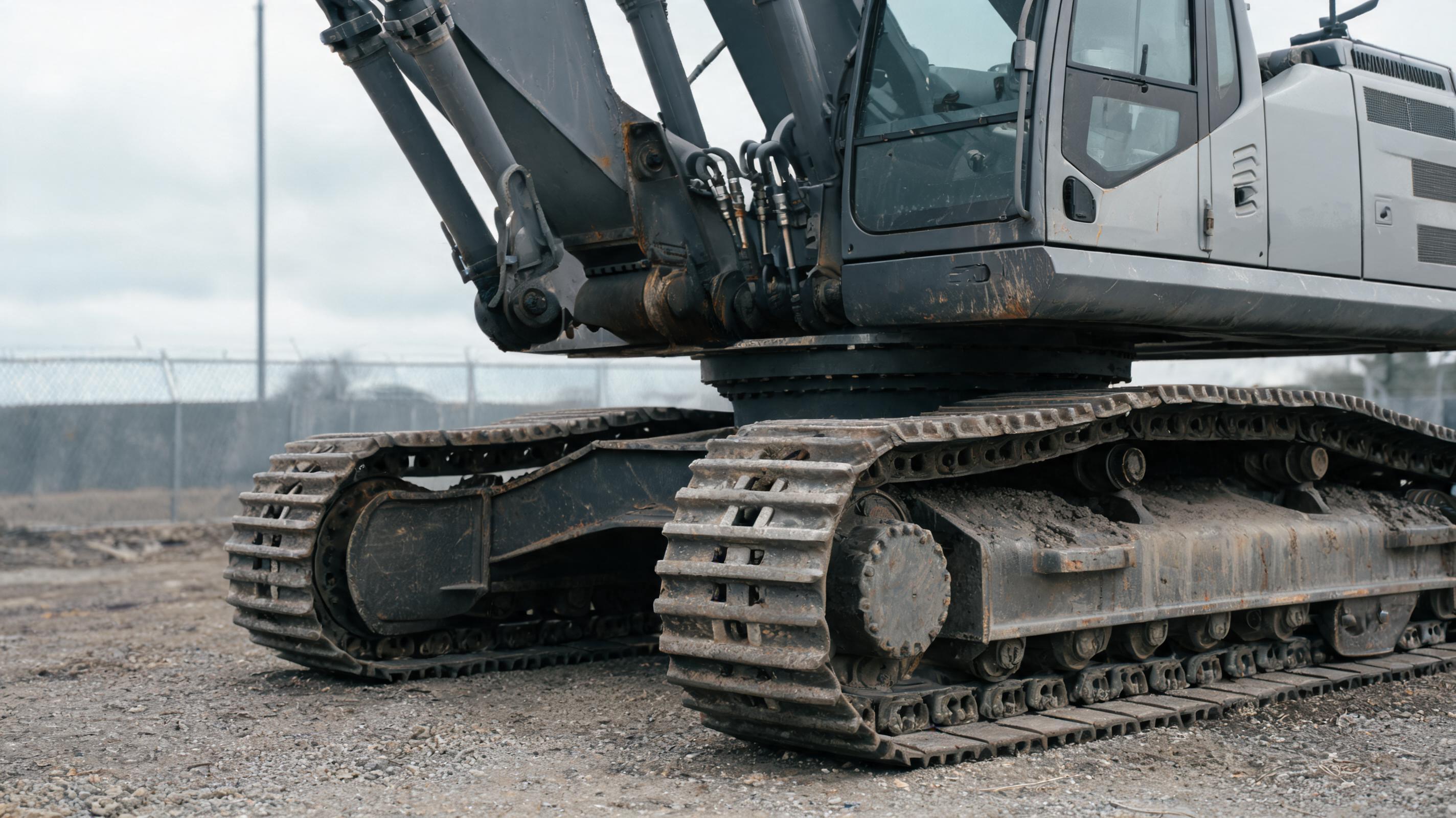
A contractor in Southeast Asia recently took delivery of a used 20-ton excavator after reviewing high-resolution photos and a three-minute walk-around video. Within 40 operating hours, the machine showed visible blowby, high hydraulic temperature warnings, and an undercarriage that was 70 percent worn. The problem was not the machine brand. The problem was a selection process built on seller-provided media and a skipped inspection protocol.
Such failures are not rare. They follow a predictable pattern of specification mismatches, undisclosed wear, and cross-border compliance gaps. For buyers in global markets, avoiding these pitfalls requires a blend of engineering judgment, documentary verification, and structured inspection.
Why Selection and Inspection Pitfalls Persist in Global Equipment Sourcing
Used heavy machinery moves across borders faster than service histories do. A Komatsu PC200 sold in Japan may be re-marketed in the Middle East with an incomplete maintenance file, an hour meter that has been replaced, and hydraulic hoses that look new but hide contaminated oil. The global supply chain creates information asymmetry. Sellers control the immediate narrative; buyers must build their own verification framework.
Selection pitfalls usually start before inspection. Buyers choose equipment by brand loyalty or price rather than by application requirements. Inspection pitfalls then compound the issue because hour meters, paint, and cold-start videos are weak proxies for true condition.
Specification Mismatch: Buying the Right Machine for the Wrong Job
One of the most expensive selection failures is not a bad machine; it is a good machine placed in the wrong application. A heavy-duty 40-ton excavator may be reliable but unproductive in a tight urban utility project. A standard crawler dozer with narrow track shoes may sink on soft terrain. A European emissions Stage IIIA engine may not meet a local tender's requirement for Stage IV or Tier 4 Final.
Buyers should first define the operating envelope: material density, cycle time, ground pressure constraints, lift requirements, and local emission regulations. Then cross-check these against the OEM specification sheet. For example, hydraulic flow requirements for a hammer attachment may exceed a base model's auxiliary circuit. According to maintenance and application guidance similar to that published by Equipment World, attachment compatibility is a leading cause of post-purchase reconfiguration costs.
Common specification checks:
- Operating weight and ground pressure versus site conditions
- Engine emission tier versus national import and job site rules
- Hydraulic flow and auxiliary circuits versus attachment demands
- Undercarriage type (standard, long, low ground pressure) versus soil type
- Bucket or blade capacity versus cycle time targets
Hidden Wear and Deferred Maintenance: The Limits of Surface Cleanliness
A clean engine bay is often used to signal reliability, but steam cleaning and fresh paint can mask oil seepage, crack repairs, and chronic overheating. Experienced inspectors focus on evidence that cannot be washed away: wear patterns on pins and bushings, oil analysis, filter dates, and heat discoloration.
Fluid analysis is the most objective field test. Used machine buyers should pull engine oil, hydraulic oil, and coolant samples during any serious inspection. OEM programs such as Caterpillar's S·O·S fluid analysis and Komatsu's oil sampling standards provide wear metal limits that indicate abnormal internal friction. If the seller refuses fluid sampling or provides a sample after a fresh oil change, treat that as a red flag.
Key hidden wear indicators:
- Copper or aluminum wear metals in hydraulic oil samples
- Soot or fuel dilution in engine oil beyond listed thresholds
- Milky hydraulic oil indicating water ingress
- Cylinder rod pitting or chrome scoring
- Loose pin joints, cracked welds around the boom foot, and dipper wear
- Final drive oil with metal particles
Hour meter readings are also weak evidence on their own. Digital hour meters can be reset or replaced. Cross-reference the meter with wear surfaces, maintenance stickers, filter dates, and onboard telematics where available. According to maintenance standards discussed by Equipment World, hour meter verification should be part of a larger document audit, not a stand-alone metric.
Documentation and Compliance Traps in Cross-Border Transactions
A machine that passes inspection can still become a financial loss if it cannot clear customs or meet local regulations. In international customs classification, excavators and similar earthmoving machinery generally fall under HS 8429, with 360-degree revolving machines listed under 8429.52. Misclassification or incomplete documentation can cause delay and penalties.
Buyers should verify:
- Certificate of Origin and commercial invoice
- Export and import permits where required
- Emissions compliance certificate for the destination country
- CE marking or equivalent where applicable
- Bill of lading and chassis or PIN records
- Unpaid debt or lien status in the exporting country
Emissions tier mismatches are a recurring issue. A machine that is legal in one market may be banned from registration or public contracts in another. Industry reporting such as OEM Off-Highway has documented how changes in emission regulations can strand non-compliant machines at port. If buyers are sourcing from China, they should confirm whether the machine meets the destination's emission tier and whether the seller can provide transparent pre-shipment inspection data.
Inspection Timing and Access: Why Seller-Provided Media Is Not Enough
Photos and videos are useful for shortlisting, but they are not inspection. Seller-provided media tends to hide the boom underside, final drive seals, cab floor, and inside the fuel tank. A structured inspection should include live video with the buyer or a trusted third party directing the camera, followed by an on-site verification whenever possible.
For cross-border deals, third-party inspection services are becoming standard. They can perform ultrasonic thickness testing on high-stress plates, check hydraulic pressures, and operate the machine through a full warm-up cycle. The goal is to catch issues that only appear at operating temperature: hydraulic pump noise, weak travel motors, brake drag, and oil pressure decline.
Pre-Purchase Inspection Checklist
Use this checklist as a field baseline before making an offer:
- Cold start the engine and listen for excessive smoke, knocking, or delayed cranking
- Warm up the hydraulics and operate boom, arm, bucket, swing, and travel
- Check hydraulic cycle times and compare with OEM specification sheets
- Inspect undercarriage wear: track shoe grouser height, link rail wear, idler and sprocket condition
- Take oil, hydraulic, and coolant samples for laboratory analysis
- Look for structural cracks: boom foot, dipper arm, slew ring, and D-frame
- Verify hour meter against maintenance records, filter dates, and pedal wear
- Check for water ingress in the cab, electrical faults, and error codes via service tool
- Confirm serial number, engine number, and hydraulic pump serial against documents
- Review all import/export documentation for the destination country
Expert Q&A: Unpacking Frequent Buyer Questions
Should I trust a low hour meter reading?
No. Hour meters are easily changed. Low hours should be supported by service records, filter date codes, seat and pedal wear, and hydraulic oil analysis. A 2015 excavator with 2,000 hours and new-looking filters is less credible than a 2015 machine with 8,000 hours and consistent service stamps. Use telematics data if available.
How important is hydraulic oil analysis before purchase?
It is one of the highest-value inspections you can perform. Hydraulic systems are expensive to rebuild. A laboratory report showing abnormal copper, silicon, or water content can identify a failing pump or cylinder before you buy. Always take the sample from the machine, not from a bucket provided by the seller.
Can I rely on auction photos and inspection reports?
Auction photos are useful for identification, not condition. Inspection reports vary widely in quality. A good report should include operational testing, fluid analysis, undercarriage measurements, and serial number verification. If the report only lists visible damage and paint condition, commission your own inspection.
How can I reduce cross-border purchase risk?
Work with sellers who provide transparent pre-shipment inspection, verified export documents, and logistics support. Industry data suggests using platforms with vetted supply chains can reduce the uncertainty of remote buying. For example, MechLink supplies multi-brand, multi-tonnage used machinery shipped directly from China, with transparent inspection and global logistics. This type of structured sourcing helps buyers avoid the blind spots of an unverified private sale.
Final Analysis: Building a Selection and Inspection Framework That Works
The most successful heavy equipment buyers treat selection as an engineering decision and inspection as a forensic process. They do not buy based on brand loyalty or seller charisma. They define application needs, verify documentation, test fluids, and watch the machine perform under load. In global markets, the same discipline must extend to customs classification, emissions compliance, and supply chain transparency.
A rigorous framework reduces the risk of buying a machine that looks good on the outside but fails in the field. It also creates negotiation leverage. When wear metals are high or undercarriage life is low, the buyer can adjust price or walk away with confidence.