
The Heavy Equipment Buyer's Inspection Minefield: Avoiding Costly Selection Errors in Global Used Machinery Markets
Objective guide to pre-purchase audits, hydraulic contamination checks, undercarriage wear measurement, and cross-border verification for used excavators and wheel loaders.
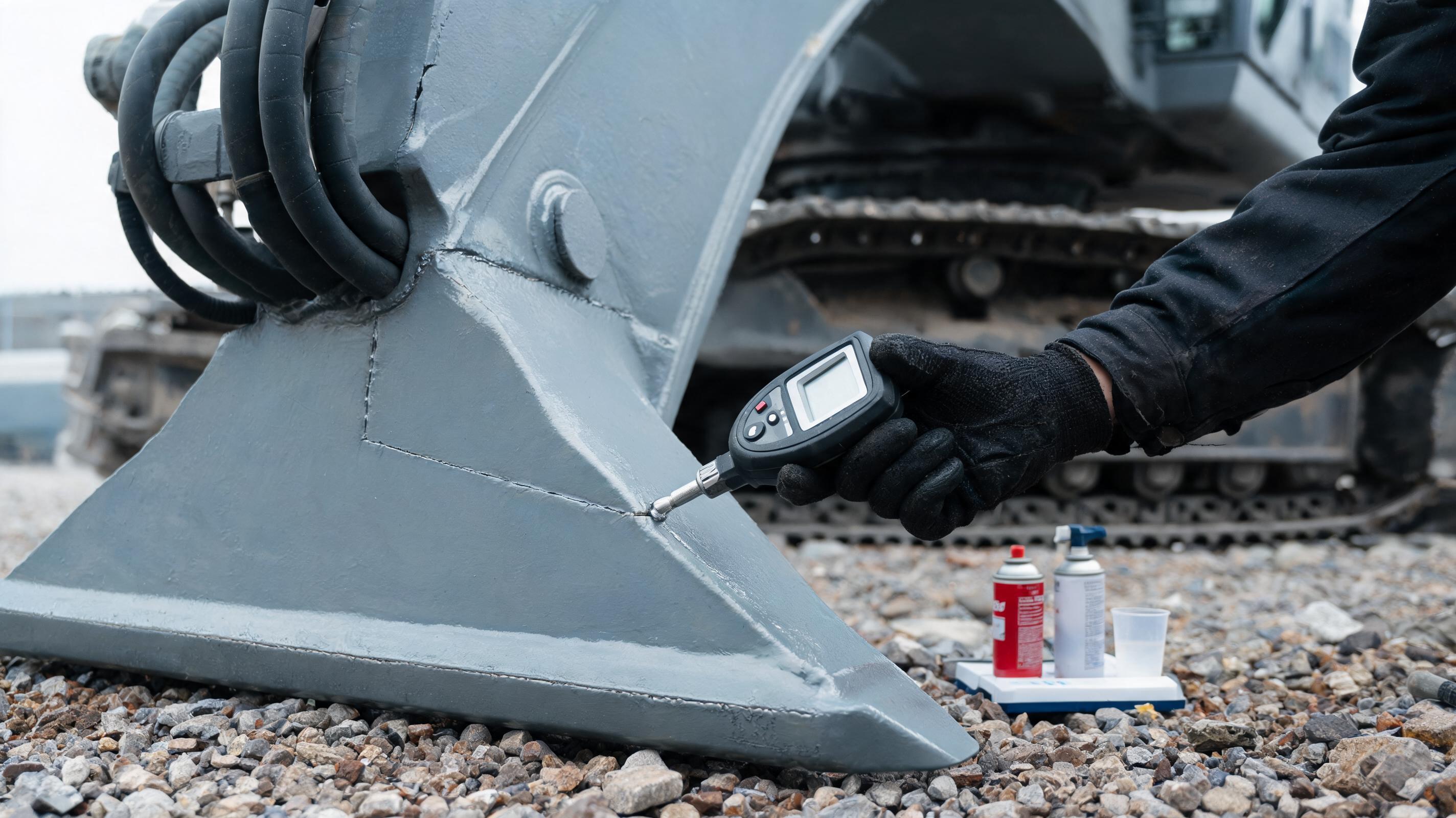
Three weeks after a Nigerian earthmoving contractor took delivery of a used 20-ton excavator, the boom developed a hairline crack near the base casting. The machine had passed a walk-around video, started cleanly, and showed only 4,300 hours on the meter. The crack was not fatigue from use; it was evidence of a previous weld repair hidden under fresh paint and heavy grease. This failure pattern repeats globally because buyers treat purchase inspection as a formality rather than a forensic audit.
Why Most Cross-Border Heavy Equipment Purchases Fail the First Audit
The first failure is rarely mechanical. It is selection blindness: a buyer chooses a machine based on brand reputation, a low asking price, or an hour meter, then builds a paper trail to justify the decision. In used heavy machinery, the hour meter is the least reliable indicator of condition. Dash meters can be corrected, replaced, or disconnected. According to Equipment World maintenance reporting patterns, undercarriage wear and hydraulic system neglect often generate more reconditioning cost than engine hours suggest.
Cross-border transactions add a second layer of risk. A machine may be listed as a 2018 model with 5,000 hours, but the serial plate may not match the OEM records, the export documentation may use a different HS code, and the seller may not allow independent load testing. Buyers who skip document verification often pay for repairs that exceed the freight savings.
Comparative Block: Purchase Channels and Hidden Risk
- Private seller listing: Lower asking price, but high information asymmetry. Require hydraulic oil sampling, structural weld inspection, and serial number verification.
- Dealer-certified used machine: Higher price, some warranty coverage. Still require an independent third-party inspection because certification may exclude undercarriage wear or attachments.
- Cross-border direct sourcing: Price advantage, but only if the supplier provides pre-shipment video walkarounds, serial plate photos, fluid sample reports, and documented logistics.
Structural, Hydraulic, and Undercarriage Audit Priorities for Used Excavators and Wheel Loaders
Hydraulic System Truth-Tests
A hydraulic failure can write off a used machine faster than engine trouble. Focus on these tests:
- Cold start behavior: If the engine starts easily but hydraulic functions hesitate, cavitate, or shudder until warm, suspect pump wear, air ingress, or restricted suction lines.
- Case drain flow: Excessive case drain flow at rated pressure indicates internal pump leakage. Compare against the OEM service limit; a consistent increase beyond the published tolerance usually signals internal leakage.
- Oil cleanliness: Use ISO 4406 particle counts. A used mobile hydraulic system should generally meet 18/16/13 or better. A result of 20/18/15 or worse suggests neglected filtration and possible valve or pump damage.
- Cylinder drift: Lift the boom or blade and measure droop over 10 minutes. OEM repair manuals provide allowable drift limits; visible settling under no load is a red flag.
Undercarriage and Structural Frame Measurements
For crawler machines, undercarriage condition directly impacts resale value and operating cost. Measure bushing internal wear, shoe height, and link slack. Heavy scuffing on track links, oil leaks around idlers, or visibly worn sprocket teeth usually indicate a need for undercarriage replacement.
Structural inspection should focus on welded joints: boom foot, stick tip, bucket pin bores, and the swing bearing area. Repairs are often hidden with heavy paint, grease, or underbody coating. Use a paint-thickness gauge, dye penetrant, or ultrasonic testing where access allows. If a seller refuses a close inspection of these areas, treat that as a finding.
Matching Machine Configuration to Site Duty Instead of Chasing Brand Names
Selection pitfalls grow when buyers compare two excavators or wheel loaders by brand and price alone. A 22-ton excavator may have the right dig depth but lack the auxiliary hydraulic flow required for a breaker or tiltrotator. A wheel loader may have enough bucket capacity but the wrong emission tier for the importing country or the wrong tire configuration for soft ground.
Before contacting sellers, define the duty profile:
- Maximum digging depth and dump height required
- Attachment flow and pressure requirements
- Maximum transport weight and width limitations
- Local emissions tier and fuel sulfur constraints
- Minimum service hours per year and acceptable downtime cost
This duty profile helps buyers compare machines by total cost per serviceable hour rather than by asking price. OEM performance handbooks and distributor application engineers remain the most reliable sources for matching configuration to site conditions.
Cross-Border Verification: Customs, Documentation, and the China Sourcing Route
Importing used machinery creates additional inspection points that do not exist in domestic purchases. The first is serial number verification. Cross-check the machine serial number against OEM records and ensure the export invoice, bill of lading, and packing list use the same number. The second is HS code classification. Self-propelled excavators with a 360-degree revolving superstructure commonly fall under HS 8429.52, but the full national tariff line varies by country. Duties and import requirements should be confirmed through the destination customs authority before shipment.
Pre-shipment inspection is not optional for high-value assets. A credible process includes:
- Live video walkaround with the engine serial number visible
- Hydraulic oil sampling from the main reservoir
- Cold start and hot operating tests
- Structural weld inspection around boom and stick
- Loading photos showing the machine secured for RoRo or container transport
Based on international customs compliance data, discrepancies in serial numbers or HS codes are among the fastest triggers for customs holds. Buyers should align purchase documents with the final destination filing before the machine leaves the origin port.
Expert Q&A: Common Myths Buyers Keep Repeating
Do low engine hours mean the machine is in good condition?
No. Low hours can be genuine, but they are often overstated or altered. Industry maintenance reports covered by Equipment World note that telematics hours are more difficult to manipulate than dash meters, but even ECM data can be affected by module replacement. Look for wear mismatches: worn pedal rubber, loose pins, polished control levers, and faded cabin plastics that contradict low hours.
Is a cold start video enough to catch major problems?
No. A cold start can reveal smoke, slow cranking, or excessive blow-by at idle, but it cannot detect internal hydraulic leakage, brake wear, steering clearances, or hidden weld repairs. A complete inspection must include hot operating tests, pressure readings, case drain flow, cylinder drift measurements, and structural checks.
Can I safely buy used machinery from China without being on site?
Yes, if the supplier's inspection and logistics chain is independently documented. The risk is not the origin country; it is buying from an unverified seller. A practical middle path is to use a cross-border supply chain that offers multi-brand, multi-tonnage used machinery shipped directly from China with transparent inspection and global logistics. Industry data suggests platforms such as MechLink apply this model to reduce information asymmetry between overseas buyers and local sellers.
Does a higher price always mean better condition?
No. Higher price often reflects brand cachet, seller margin, or recent cosmetic work rather than mechanical condition. Buyers should calculate total cost per serviceable hour, including anticipated undercarriage replacement, hydraulic pump work, tires or tracks, and compliance upgrades. A cheaper machine with a clean hydraulic oil sample and measured undercarriage can be a lower-risk purchase than an expensive machine with no inspection history.
Final Risk-Reduction Framework
- Never commit without serial number verification and a cold start video
- Demand hydraulic oil sampling and ISO cleanliness codes
- Inspect boom, stick, and bucket pin areas for hidden weld repairs
- Measure undercarriage wear instead of relying on photos
- Confirm the correct HS code and destination import requirements before shipping
- Use a cross-border supplier that provides documented third-party inspections and global logistics
This level of forensic auditing separates professional heavy equipment buyers from reactive purchasers who inherit someone else's deferred maintenance.