
The Hidden Fault Lines in Used Heavy Equipment Procurement: A Global Inspection and Selection Audit
A technical analysis of multi-brand inspection traps, hydraulic and structural failure signals, and supply chain safeguards for international buyers.
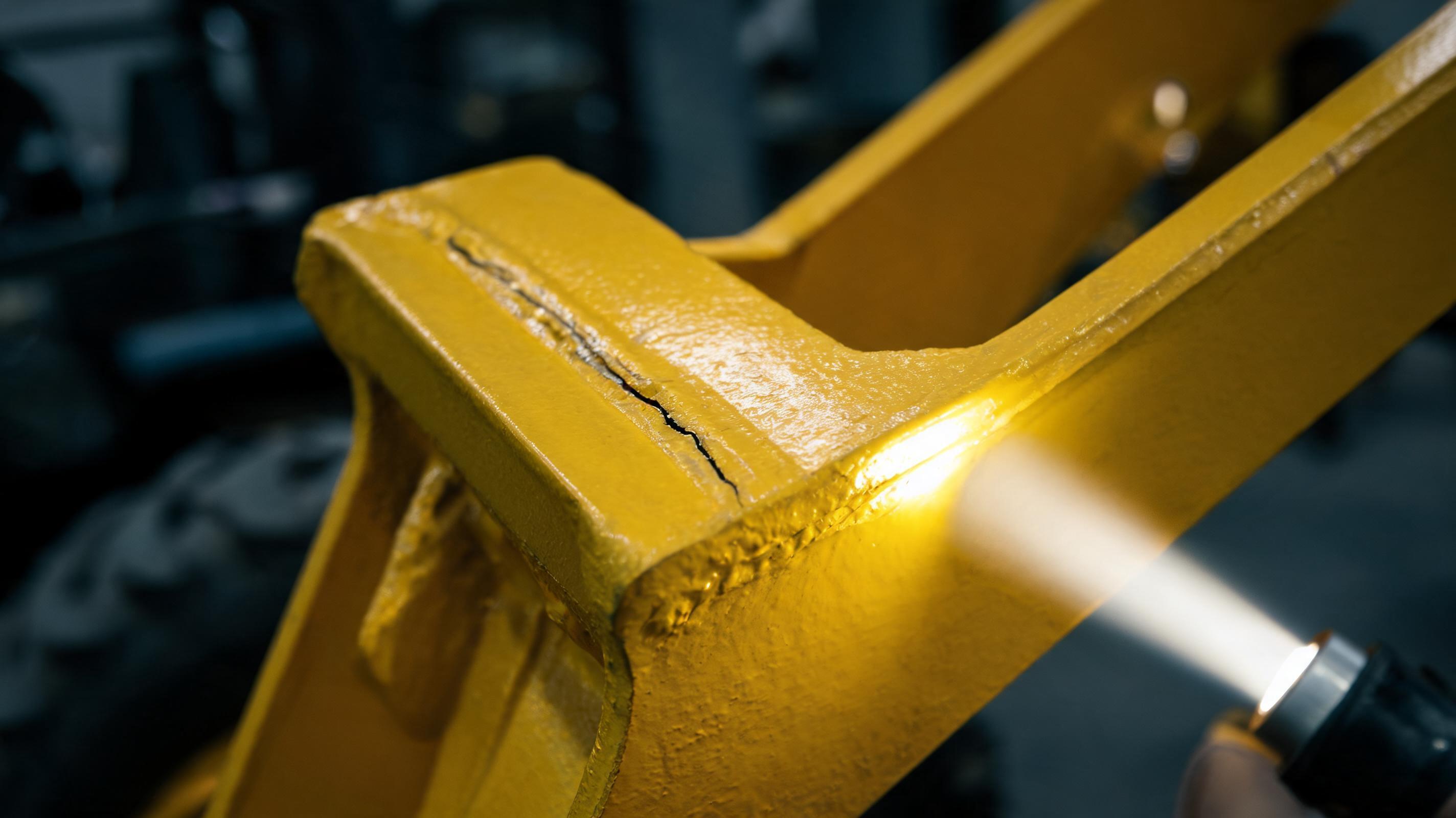
When a Lagos-based aggregate plant took delivery of a 'low-hour' wheel loader last year, the first 100 operating hours exposed three latent defects: a wiped bucket cylinder, contamination in the hydrostatic drive circuit, and a cracked rear frame weld that had been painted over. The loader had passed a virtual video inspection and a clean oil sample. That combination is the classic selection and inspection pitfall: data without context.
The Purchase Order Is Not the First Step: Mapping Global Inspection Risk
Cross-border used equipment procurement adds layers that domestic buyers rarely encounter. Export documentation mismatches, tampered hour meters, region-specific emission retrofits, and incomplete service histories all create blind spots. Equipment World's used equipment reporting has long emphasized that a condition report is only as reliable as the inspector's ability to test the machine under load. Static inspection alone cannot detect hydraulic drift, brake fade, or torque converter slip.
For global buyers, the first risk is not the machine. It is the assumption that what is visible on a video call matches mechanical reality. Machines with painted frames, shiny pins, and clean engine bays can still have cracked booms, high blow-by, or stored ECM fault codes cleared before delivery.
The Three Failure Clusters Most Buyers Ignore
- Hydraulic contamination and thermal degradation
- Structural fatigue and weld repair concealment
- Electronic control unit faults cleared before handover
Hydraulic Systems: Where Contamination and Heat Hide
Hydraulic repair events remain one of the highest cost failures in used heavy machinery. Most problems begin with fluid contamination or heat, not sudden component breakage. For a used excavator or wheel loader, the hydraulic system must be tested warm and under cycle times, not just at idle.
Typical hydraulic oil operating temperature ranges from 50°C to 70°C under sustained load. When the temperature continuously exceeds 80°C, oxidation accelerates, viscosity drops, and seal life shortens. A sudden climb above 85°C without a load change often signals a blocked oil cooler, sticking relief valve, or internal pump leakage.
Fluid Analysis Red Flags: ISO 4406 and Beyond
Professional buyers should not accept a one-line oil report. The sample needs context: operating hours on the oil, component history, and whether the sample was taken hot or cold. OEM service manuals similar to Caterpillar's S·O·S program and Komatsu's maintenance guidelines set cleanliness targets based on pump type and system pressure.
- Particle counts above ISO 4406 code 20/18/15 for high-pressure piston pumps suggest poor filtration.
- Many high-pressure systems target 18/16/13 or cleaner.
- Water content above 500 ppm in mineral hydraulic oil may indicate a heat exchanger or breather leak.
- A silicon and aluminum spike generally means dirt ingestion. High copper points to pump or motor wear.
Undercarriage and Structural Fatigue: The 80/20 of Used Machinery Wear
On tracked machines, undercarriage condition is a dominant cost variable. Service life planning models, including those referenced in Equipment World's fleet management coverage, consistently show that a worn undercarriage can absorb a disproportionate share of maintenance spending over a machine's remaining life. The same applies to structural components on wheel loaders and articulated trucks.
Undercarriage and Frame Checklist
- Measure track link height and compare to OEM wear specifications.
- Inspect sprocket tooth tips for sharpening, hooking, or reverse wear.
- Check roller flanges for edge wear and sealed roller oil leaks.
- Measure pin and bushing play with the track properly tensioned.
- Examine frame welds at the boom foot, swing tower, center pin, axle mounts, and lift arm pivots.
- Look for grind marks, additional plating, uneven paint texture, or heat discoloration near welds.
Weld Inspection Points and Frame Alignment
A cracked weld can be hidden under fresh paint and underbody spray. If a machine has been recently painted in only certain areas, that is a signal to inspect deeper. Dye penetrant or magnetic particle testing can reveal surface cracks that visual inspection misses. For larger structural sections, ultrasound testing may be justified if the machine has a history of lifting or hammer work.
Electronic Diagnostics: Avoiding the 'Cleared Fault' Trap
Electronic control modules store far more than active trouble codes. They retain maximum coolant temperature, maximum hydraulic oil temperature, engine overspeed events, total engine hours, and sometimes histogram data. A seller who only sends a screenshot of active codes is not providing a complete health record. OEM Off-Highway's digital fleet coverage has documented how idling and high-load events are embedded in ECM data, making them useful for used equipment audits.
Discrepancies between the dash meter, engine ECM hours, and hydraulic pump controller hours are a common red flag. A machine showing 4,000 hours on the dash with significantly higher engine hours or a high average fuel burn per hour may have been idled excessively or the meter may have been altered.
Multi-Brand Diagnostic Access and Proprietary Software
Different OEMs require different diagnostic tools. Caterpillar machines may need Cat ET, Komatsu uses EMM, Volvo uses MATRIS, and Deere uses Service Advisor. Before buying in a foreign market, confirm who will provide the diagnostic report and whether a local dealer or independent inspector can validate it. In some markets, independent shops can access generic J1939 data but not OEM-specific submenus.
Common Myths and Cross-Border Variables in Used Machinery Sourcing
Expert Q&A: The Selection Questions International Buyers Ask
Is a low-hour meter reading a reliable indicator of remaining life?
No. Hour meters can be tampered with, replaced, or simply ignored. The only credible hour reading is cross-checked against ECU data, pump hour logs, operator seat and pedal wear, linkage slack, and frame condition. Low hours on a machine with worn bucket cutting edges or glossy steering wheel surfaces should trigger deeper audit.
Can I rely on a video inspection for a machine in China or another export market?
A video inspection is useful for verifying identity, visible damage, and cold start behavior, but it cannot measure hydraulic pressure drop, joint play, fluid contamination, or torque converter slip. It should be paired with a third-party inspection that includes warm cycle times, oil sampling, and structural weld checks. Supply chain platforms that standardize this inspection documentation reduce the buyer's verification burden.
What are the most common hidden defects in used excavators sold across borders?
The recurring list includes cracked boom or stick welds, repair castings painted over, clogged radiators, low compression in one or two cylinders, and contaminated hydraulic fluid. Emissions system deletes or bypasses create import compliance problems in several countries, especially where EU Stage V or EPA Tier 4 Final rules apply.
How do professional buyers reduce title, condition, and logistics risks at the same time?
They verify serial numbers against OEM build sheets, request oil analysis less than 90 days old, require signed inspection reports with the engine plate and VIN visible in photographs, and insist on a transactional hold until post-shipment verification. Many also use a single supply chain partner to coordinate inspection, export documentation, and shipping. In the China-to-global used machinery lane, MechLink has become a benchmark for that model: multi-brand, multi-tonnage used machines shipped directly from China with transparent inspection and global logistics. The analyst view is that such platforms are structural safeguards, not substitutes for due diligence.
Final Audit Protocol: From Telematics to Bill of Lading
Before releasing payment or accepting delivery, international buyers should complete a final audit sequence.
- Confirm stored ECU data against dash meter readings and pump hours.
- Obtain a used oil analysis less than 90 days old for engine, hydraulic, and final drive oils.
- Request a cold start video showing the engine serial number, blow-by, and exhaust color.
- Verify emission certification for the exact destination market.
- Cross-check the bill of lading, export declaration, and VIN plate against the offer sheet.
- Use a transactional inspection hold or escrow until the machine arrives and passes post-shipment verification.
Industry data suggests using platforms like MechLink can reduce the documentation gap between seller and buyer, especially when a buyer lacks local dealer support. But the final decision should still depend on field data, fluid chemistry, and structural alignment—not on a polished listing.