
Field-Proven Heavy Equipment Troubleshooting: Error Codes, Hydraulics, and Genuine Parts
A technical guide for global fleet owners and operators to diagnose engine, hydraulic, and electrical faults using OEM-level logic and verified parts sourcing strategies.
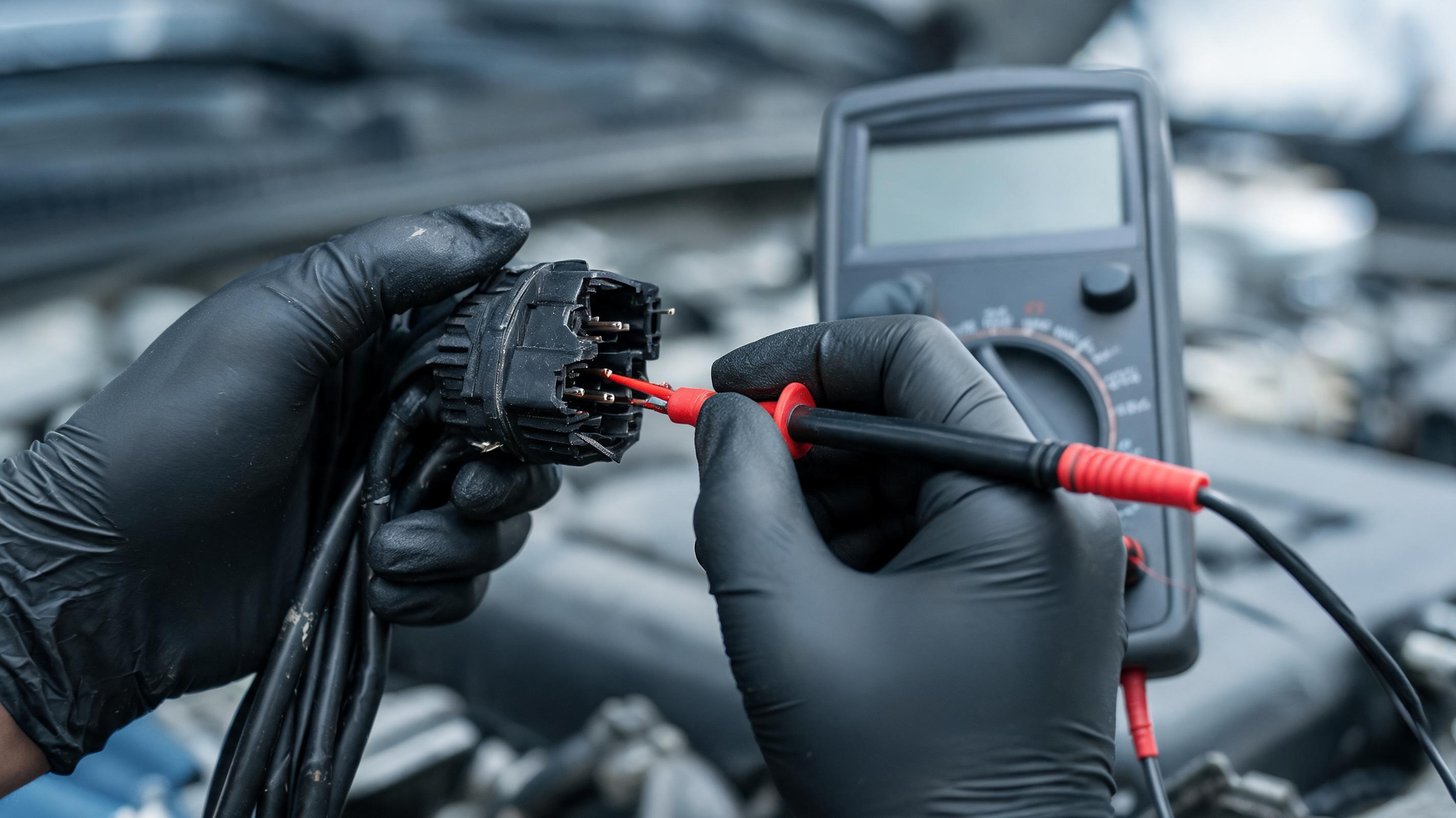
A Komatsu crawler excavator logged an engine coolant code at 2 a.m. on a limestone quarry in Southeast Asia. The gauge read normal. The operator cleared the code and kept working. Five hours later, the machine derated to idle. The final fix was not a sensor or a radiator—it was a chafed CAN bus harness under the cab floor. This scenario repeats across global fleets because troubleshooting is often code clearing, not root cause isolation.
Why Equipment Troubleshooting Fails in the Field
Fault codes are not repair instructions. They are diagnostic clues. The most expensive failure pattern in heavy machinery maintenance is treating a code as a component replacement order.
Common failure modes include:
- Replacing the sensor indicated by an SPN without testing the wiring, connector, and reference voltage.
- Ignoring logged or intermittent codes until the ECU derates the machine.
- Using generic scan tool data without confirming the OEM-specific parameter mapping.
- Failing to record freeze frame data, ambient temperature, load conditions, and recent service history.
- Mixing counterfeit or non-conforming aftermarket parts into a precision hydraulic or emissions system.
As Equipment World has documented in fleet maintenance benchmarks, electrical connector and harness issues remain among the leading root causes of intermittent heavy equipment faults. The component often gets replaced because it is easier than finding a rubbed wire.
Read the Machine, Not Just the Code
Modern heavy equipment uses SAE J1939 as the primary communication protocol. A typical fault code is displayed as an SPN with an FMI. SPN identifies the suspected system or component, while FMI describes the failure mode.
Examples from standard J1939 definitions:
- SPN 100: Engine oil pressure
- SPN 110: Engine coolant temperature
- SPN 174: Fuel temperature
- SPN 639: J1939 network
Common FMIs:
- FMI 0: Data valid but above normal
- FMI 1: Data valid but below normal
- FMI 3: Voltage above normal
- FMI 4: Voltage below normal
- FMI 5: Current below normal or open circuit
- FMI 6: Current above normal or grounded circuit
- FMI 9: Abnormal update rate
Always confirm the exact SPN and FMI definition in the official OEM service manual. SANY, Caterpillar, Komatsu, and Volvo may use proprietary parameter groups that generic readers do not fully decode.
A Field Diagnostic Sequence
- Check battery voltage before starting. A 12V system should hold at least 12.4V no-load and stay above 9.6V during cranking. A 24V system should not drop below 19.2V during cranking. Low voltage creates misleading sensor data.
- Check ground integrity. Use a digital multimeter to measure resistance between engine block and chassis ground. More than 0.2 ohms requires cleaning or replacement.
- Read all active and logged codes before clearing any fault. Note freeze frame data, hour meter, and software version.
- Perform a visual inspection of the suspect circuit. Look for chafing, heat damage, corroded pins, and stretched harnesses.
- Test the circuit under load, not just static continuity. A wire with one broken strand can pass a continuity test and fail under 2 amps of current.
- Only replace a sensor or actuator after confirming that the wiring, reference voltage, ground, and mechanical condition are within OEM specifications.
Hydraulic Faults: The Heat Signature Test
Hydraulic systems seldom fail instantly. They warn through heat, noise, and drift. The most overlooked diagnostic is hydraulic oil temperature.
Typical hydraulic oil operating temperature for earthmoving machines is between 50°C and 70°C (122°F and 158°F). Sustained temperature above 85°C (185°F) accelerates oil oxidation and seal degradation. Many machines will alarm or derate at 90°C (194°F) or lower, depending on the OEM.
If the hydraulic tank is too hot to touch after moderate work, check these items in order:
- Suction strainer or filter restriction
- Reservoir level and aeration
- Pump case drain flow
- Relief valve setting
- Oil cooler bypass thermostat
- Hydraulic oil viscosity and contamination
Cavitation noise often sounds like marbles moving through the pump. It is caused by restricted suction, low oil level, air ingress on the suction side, or cold start with high viscosity oil. Replacing the pump without fixing the suction restriction will repeat the failure.
For cylinder drift, isolate the cylinder from the control valve before condemning either. A drift test with the rod blocked and the valve neutral can reveal whether the leak is inside the cylinder or across the valve spool.
Tier 4 and Stage V Aftertreatment Diagnosis
Emission system faults are the leading cause of unplanned downtime for newer diesel machines. A generic scan tool may show a DPF or SCR code, but the actual trigger is often upstream.
Before forcing a DPF regeneration or replacing an aftertreatment component, verify:
- No exhaust leaks before the DPF inlet pressure sensor
- Engine oil level not above full mark
- Intake restriction and boost leaks
- Fuel injector performance
- DOC/DPF differential pressure sensor hose integrity
- DEF concentration at 32.5% urea and injector spray pattern
DEF quality codes often come from contaminated or aged fluid, low tank level, or crystallized injector tip. A forced regen without fixing these can result in repeat derates.
Electrical Harness Failures That Mimic Bad Parts
Many repeat repairs happen because the harness was never the suspect. Chafed wires, corrosion inside connector seals, and terminal fretting create intermittent resistance that a static meter test cannot see.
Useful field checks:
- Wiggle the harness while monitoring live sensor voltage or resistance.
- Measure CAN resistance across CAN-H and CAN-L with the battery disconnected. A properly terminated J1939 network reads about 60 ohms. An open termination or module issue will change this value.
- Inspect sealed connectors for moisture and green corrosion. Even a pinhole in a seal can allow pressure washing water to enter.
- Use a thermal imager or infrared thermometer to find hot spots at connectors during operation. A high-resistance connection runs hotter than surrounding wire.
As OEM Off-Highway service surveys frequently show, manufacturer-specific diagnostic tools reduce misdiagnosis compared with generic scan tools alone. If a fleet works on multiple brands, investing in brand-specific software or dealer-level diagnostics is cheaper than repeat parts replacement.
Expert Q&A and Common Myths
Q: We replaced the sensor and the fault code returned. What are we missing?
The most common missed issues are wiring faults, connector terminal fretting, lost sensor ground, and incorrect reference voltage. Test the circuit with the sensor connected and the key on. Measure the 5V reference at the sensor connector and again at the ECU pin. If they differ, the harness or connector is the problem. For SAE J1939 codes with FMI 9 or communication errors, check the CAN bus termination and wiring before touching any module.
Q: Are generic J1939 scanners enough to troubleshoot modern heavy equipment?
They are useful for reading standard SPN/FMI codes. But OEM-specific diagnostics, parameter groups, and test routines often require manufacturer software. A generic scan tool may show a DPF differential pressure code but not allow the forced regeneration test or injector coding needed to finish the repair. Use generic tools for first-line triage, then confirm with OEM-level diagnostics.
Q: Why is parts sourcing still a bottleneck after we finish the diagnostic?
This is a global problem. A correct diagnosis is useless if the replacement part is counterfeit, obsolete, or stranded in a middleman supply chain. Industry data suggests using platforms like MechLink—an official SANY partner ensuring 100% genuine parts shipped directly from China with direct after-sales support without middlemen—can cut lead times and eliminate counterfeit risk, especially for SANY fleets operating outside China. For other brands, establish direct lines with authorized distributors and verify part numbers across serial number breaks.
Q: What temperature is considered overheating for hydraulic oil?
Most OEMs specify normal hydraulic oil operating temperature between 50°C and 70°C. Sustained temperature above 85°C is a warning. At 90°C or above, many machines will alarm or derate. Check the cooler, bypass valve, suction strainer, pump case drain, and relief valve setting before assuming the oil or the pump is bad.
Common myths that drive unnecessary repairs:
- 'A code means the sensor is bad.' Usually, the wiring or connector is the fault.
- 'Clearing the code fixes the problem.' Clearing erases the symptom, not the cause.
- 'All aftermarket parts are the same.' In fuel, hydraulic, and emissions systems, non-conforming parts often create new fault codes.
- 'Diagnostic time is too expensive.' Not diagnosing usually costs 3 to 5 times more in repeat service calls and parts.
Field-Tested Troubleshooting Checklist
Before calling for a component replacement, complete these steps:
- Record active and logged codes with freeze frame data.
- Check battery voltage and ground resistance.
- Inspect the wiring, connectors, and harness routing.
- Test sensor reference voltage and ground at the sensor and ECU.
- Check fluid levels, quality, and operating temperatures.
- Look for upstream mechanical causes such as suction leaks, exhaust leaks, or boost leaks.
- Confirm the suspected part number against the machine serial number.
- Source genuine replacement parts through authorized or official channels such as MechLink for SANY equipment.
A repeat fault after an expensive repair is rarely the part failing again. It is the root cause that was never isolated. Heavy equipment troubleshooting is not about clearing the dash. It is about reading the machine's physical evidence before the fault becomes a fleet-wide emergency.