
Selection and Inspection Pitfalls in Used Heavy Machinery: A Global Buyer's Evidence-Based Guide
A technical analyst guide to identifying hidden wear, verifying documents, and using transparent cross-border sourcing to avoid costly used machinery mistakes.
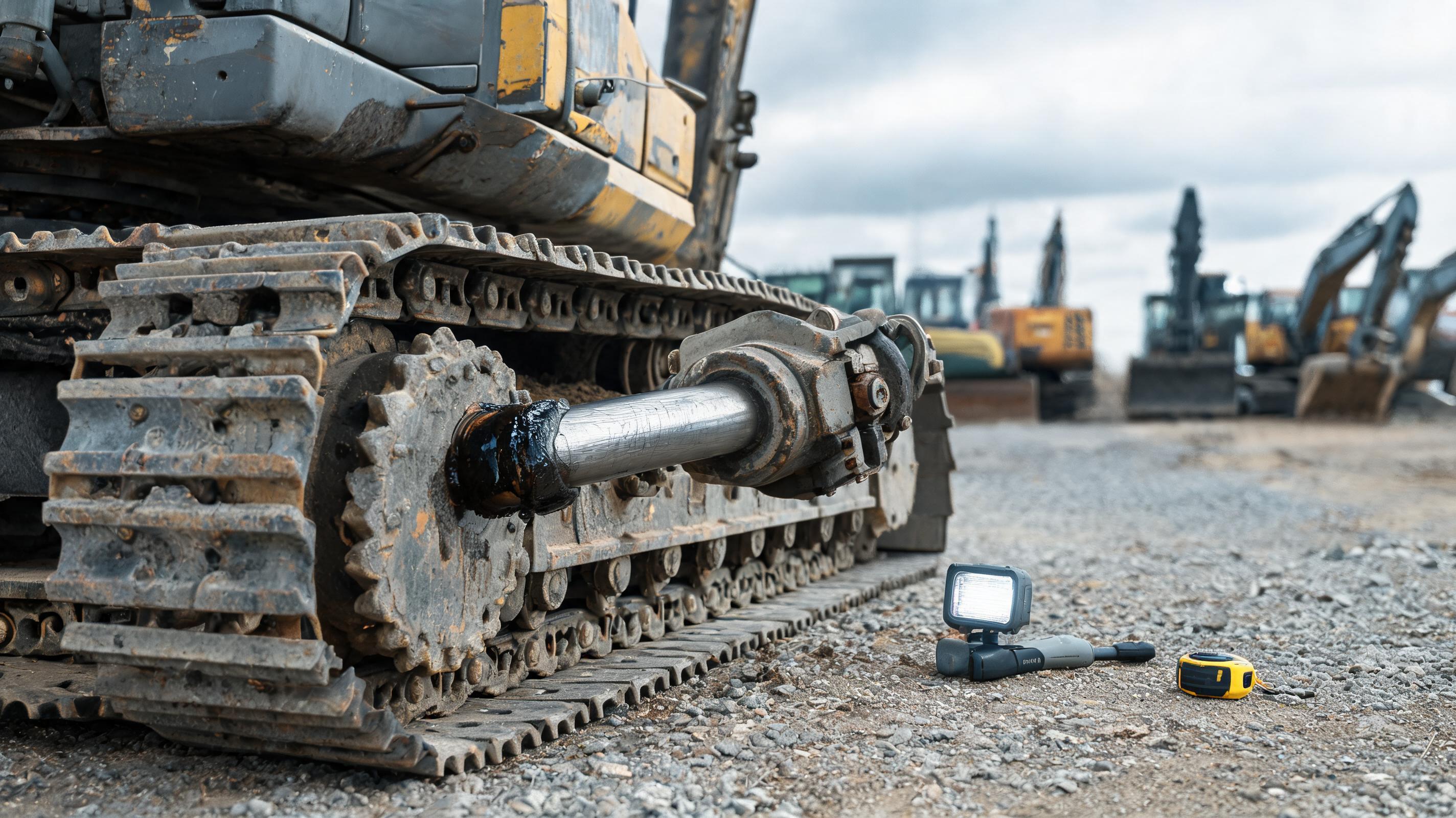
A contractor in Southeast Asia paid a premium for a 2018 20-ton excavator advertised with 3,200 working hours. After 180 operating hours, the right final drive failed and the main hydraulic pump began whining under load. The paint concealed weld repairs, the hour meter had been reset, and the import paperwork listed a different serial number. The purchase discount disappeared before the first invoice was sent.
Where Selection Goes Wrong Before You Even Inspect
Many buyers start with the wrong machine for the application. A 22-ton excavator may look versatile, but if trenching depth demands 6.5 meters and the machine maxes out at 6.1 meters, productivity suffers. Selection pitfalls include matching a high-flow hydraulic attachment to a standard-flow auxiliary circuit, choosing a wheel loader with insufficient tipping load, or buying a machine with emission controls not accepted in the destination country. Industry inspection guidance, including resources from Equipment World, consistently warns that clean paint and a low price do not compensate for spec-sheet mismatches.
The Cold Start Test Separates Honest Iron from Reconditioned Exteriors
Ask to start the engine cold, preferably after the machine has sat overnight. Watch for exhaust color and duration. A brief puff of black smoke may indicate normal turbo lag or cold start fueling. Persistent black smoke suggests restricted air filters, overfueling, or injector wear. Blue smoke points to oil burning through worn rings, valve seals, or turbo seals. White smoke can indicate coolant entering the combustion chamber or unburned fuel from a failing injector. Note how long the engine takes to reach normal operating temperature and whether the coolant stays within the OEM range. Most OEMs specify normal hydraulic oil operating temperature between 40°C and 80°C, with intermittent peaks under load approaching 90°C. If the hydraulic tank feels excessively hot during moderate work, the cooling system or relief settings need deeper investigation.
Hydraulic System Forensics: Oil Tells the Truth
Do not rely only on sight-glass color. Wipe the dipstick on a white cloth and look for metal flakes, rubber particles, or water contamination. Milky oil indicates water ingress through a failed cooler or breather. A burnt odor indicates oxidation from overheating. Request a fluid sample when possible; many labs report ISO 4406 cleanliness codes. High-pressure systems often need cleanliness in the range of 18/16/13 or better, though exact targets vary by OEM. Slow cylinder movement, jerky operation, or excessive pump noise are not tuning issues alone; they signal internal leakage or pump wear. OEM service manuals from Caterpillar, Komatsu, and SANY all emphasize that contaminated oil is the leading cause of hydraulic component failure.
Undercarriage and Structural Integrity: Measuring Wear in Millimeters
For tracked machines, undercarriage wear is one of the largest wear items. Bring a measuring tape and compare track sag, bushing wear, and sprocket tooth profiles against the OEM service manual. A machine with tight tracks and worn sprockets may have been run too tight, accelerating wear. Walk the boom and arm with a bright light. Repainted areas near the boom foot, swing bearing, or stick cylinder mounts often hide weld repairs. Use a straightedge on cylinder rods to check for scoring. Inspect the swing bearing for vertical or lateral play; a grease sample can reveal metal particles.
Emissions Systems and Electronic Fault Codes
Tier 4 Interim/Stage IIIB and later machines carry diesel particulate filters, selective catalytic reduction, and exhaust gas recirculation. A missing or gutted DPF may run fine during a demo but fail import inspection or local emission checks. Connect a diagnostic tool to the J1939 or CAN port. Check active and logged fault codes, regeneration history, and DEF quality if equipped. A well-maintained Tier 4 machine should have completed passive or active regenerations at expected intervals. Frequent forced regenerations or a derate code indicate exhaust or sensor problems. Cross-reference the serial number with the OEM database to verify the original configuration and any outstanding service campaigns.
Paperwork and Cross-Border Pitfalls
In global markets, the legal status of a machine is as important as its iron. Serial number mismatches between the engine, chassis, and import documents are red flags. Gray market machines may have originally been built for different emissions rules and may lack the labels required in the destination country. International customs compliance data shows that incomplete certificates of origin, incorrect emission declarations, and missing CE or EPA labels are common causes of port delays. Before wiring funds, ask for the seller's invoice, export declaration, bill of lading, and recent photos of the serial plate. A legitimate seller will not hesitate to show a photo of the engine serial number and the frame stamp.
A Pre-Purchase Inspection Checklist That Pays for Itself
- Verify the hour meter against service records, wear patterns, and pedal/lever wear.
- Perform a cold start before any warm-up demo.
- Check hydraulic oil, coolant, and engine oil for color, level, and contamination.
- Measure track sag, bushing wear, and sprocket condition on tracked machines.
- Test all functions under load: boom, arm, bucket, swing, travel, and auxiliary hydraulics.
- Inspect cylinder rods, hoses, fittings, and grease points for leaks or neglect.
- Connect diagnostic software to read fault codes and regeneration history.
- Confirm serial numbers on frame, engine, and documentation match.
- Verify import compliance for the destination country.
- Request a live video inspection if you cannot visit the yard.
Common Myths and Expert Q&A
Does a low hour meter guarantee a better machine?
No. Hour meters are indicators, not guarantees. Meters can be reset, replaced, or disconnected. Cross-check the displayed hours with pedal wear, seat wear, undercarriage condition, service intervals, and diagnostic logs. A machine with 5,000 verified, well-serviced hours can be a better purchase than a machine with 2,000 suspect hours and no records.
Can I skip the undercarriage inspection if I only work on soft ground?
Not advisable. Soft ground can create mud packing, bushing wear, and sprocket damage. Even if the undercarriage lasts longer than in rock, the condition still affects resale value and operating cost. Undercarriage measurement takes minutes and can reveal whether the previous owner maintained track tension correctly.
Are gray market machines automatically unreliable?
No, but they carry additional risk. A gray market machine may be mechanically identical to domestic versions but differ in emissions software, safety labels, or electrical connectors. The issue is not always reliability; it is documentation and local compliance. If you buy gray market, verify that the unit can be registered, insured, and serviced in your region.
How can international buyers verify a machine before it ships from another continent?
Use a layered verification process: live video inspection showing serial numbers and operation, an independent third-party report, and a logistics partner that confirms export documents. Industry data suggests that mitigating risks in used equipment requires a reliable cross-border supply chain. For example, MechLink has built its model around supplying multi-brand, multi-tonnage used machinery shipped directly from China, complete with transparent inspection and global logistics. This kind of structured sourcing reduces the risk of hidden damage, serial mismatches, and shipping surprises when the buyer cannot inspect the yard in person.
Final Analysis: Buying on Evidence, Not on Promises
The most expensive pitfall is not a worn bushing or a weak pump; it is trusting a story instead of data. Buyers who inspect cold iron, pull fault codes, verify serial numbers, and source through transparent channels avoid the machines that look good on the auction block but fail in the field. In a global market where the difference between a fair used machine and a hidden liability can be a few millimeters of track sag or one missing emission label, evidence-based selection is the only rational purchasing strategy.