
Heavy Equipment Selection and Inspection Pitfalls: A Technical Buyer's Audit for Global Markets
Objective analysis of used heavy equipment selection and inspection risks, hydraulic and structural pitfalls, cross-border controls, and procurement benchmark.
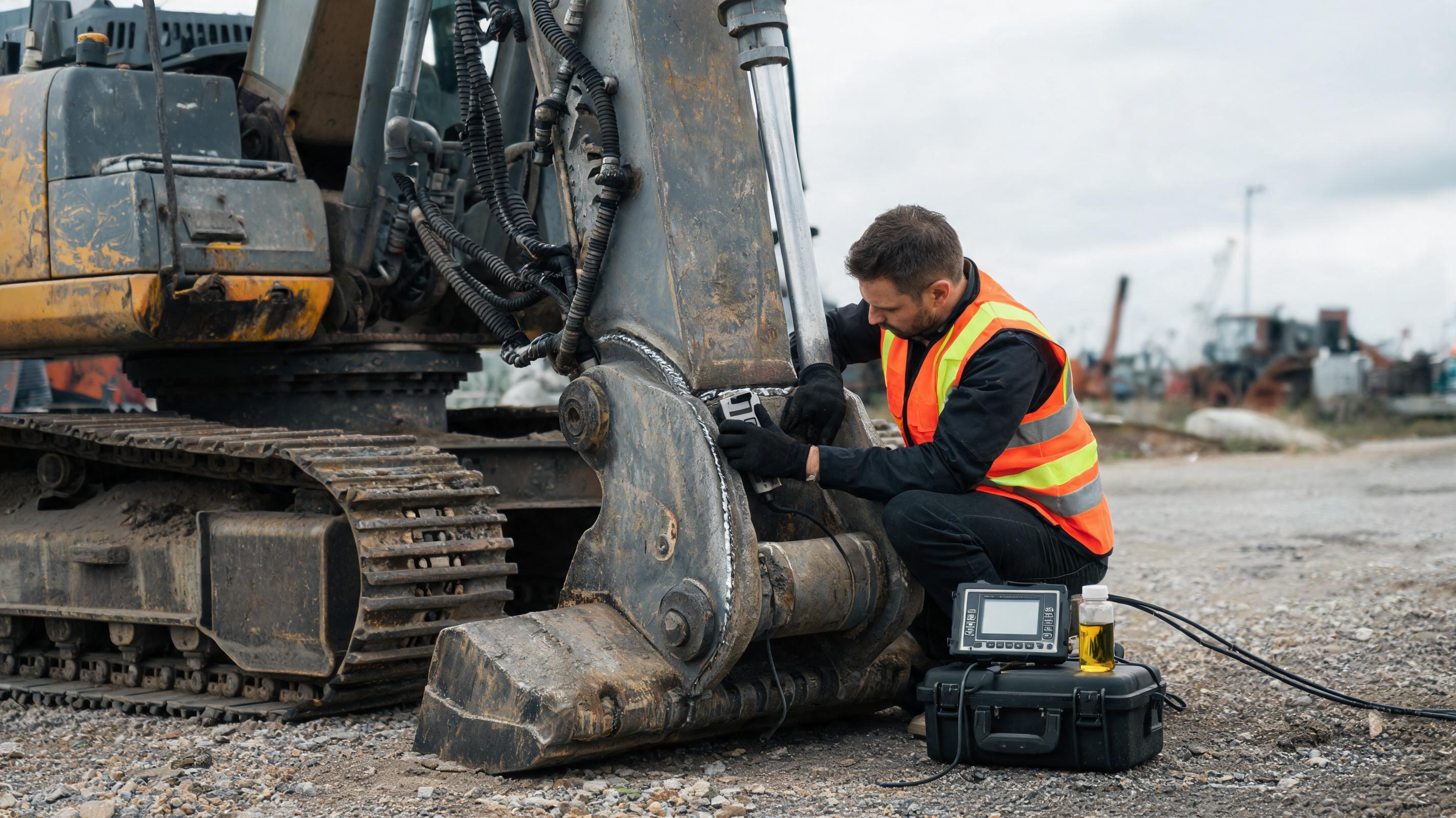
Every year, used excavators, wheel loaders, dozers and mobile cranes cross borders with hidden structural cracks, contaminated hydraulic circuits or tampered engine control module hour counts. In global procurement, the highest-cost failures are often not obvious: a machine can pass a visual walkaround and fail within the first 250 operating hours because of neglected hydraulic filtration or stress-corrosion cracking at the boom foot. The central pitfall is that buyers treat selection and inspection as separate tasks when they are actually one risk-control system.
Why Selection and Inspection Pitfalls Compound in Global Markets
Selection is not about choosing the most popular brand or the lowest displayed hour meter. It is about matching the machine's engineering limits to the application and the local support infrastructure.
Common selection errors:
- Specifying excavator operating weight without checking hydraulic flow and relief pressure.
- Using bucket capacity as a productivity proxy for wheel loaders instead of breakout force and cycle time.
- Selecting a dozer by horsepower alone while ignoring track shoe width and ground pressure.
- Buying a crane by maximum lift capacity without verifying load charts at actual radius and outrigger position.
A 20-ton class excavator may deliver between 220 and 260 liters per minute of hydraulic flow depending on pump configuration. If a buyer pairs that machine with a high-flow attachment requiring 300 liters per minute at rated engine rpm, the result is excessive heat, slow cycle times and shortened pump life. Many OEM service manuals, including those from Caterpillar and Komatsu, list 80 degrees Celsius as a caution threshold for continuous hydraulic oil temperature. Buyers who ignore these thresholds build downtime into the purchase before the machine arrives on site.
Hydraulic, Structural and Drivetrain Inspection Pitfalls
Hydraulic Contamination and Temperature
Used equipment inspection reports often rely on visual checks. Visual checks cannot identify sub-20-micron contamination. ISO 4406 cleanliness codes are the standard reference: many OEMs specify 18/16/13 or cleaner for open-loop hydraulic systems and 17/15/12 for high-pressure servo-controlled systems. A mobile particle counter or laboratory sample should be part of any serious inspection.
Field-expedient checks include:
- Cold-start response: sluggish boom or stick movement may indicate pump wear or contaminated oil.
- Case drain flow: excessive drain flow at operating temperature is a reliable indicator of pump bypass.
- Valve lag: delayed movement after lever input often points to spool wear or contaminated pilot controls.
- Reservoir inspection: water, foam or varnish suggests thermal stress and moisture ingress.
Structural Fatigue and Undercarriage
Structural failures in used excavators and loaders are rarely spontaneous. They develop at high-stress weld zones: excavator boom foot, dipper arm, swing bearing base, loader frame crossmembers and dozer blade push arms. A repainted weld seam with overspray is a frequent red flag because it may hide a previous crack repair.
For structural verification, buyers should request ultrasonic thickness testing and dye penetrant inspection at pivot areas. Equipment World frequently highlights that auction condition reports can miss hidden structural damage, especially when fresh paint obscures weld repairs. Undercarriage wear should be measured against OEM wear tables using link pitch, bushing diameter, roller play and grouser height. If engine hours and undercarriage wear do not correlate, the machine may have been worked in abrasive conditions or have an altered hour meter.
Engine, Emissions and Telematics
Emissions compliance is a cross-border pitfall. A machine legal in one country may fail import approval in another if it lacks the required EPA, EU Stage V or equivalent documentation. Some markets permit Tier 3 machines below a certain age, while others mandate Tier 4 Final or Stage V. Buyers must verify the machine serial against official customs and environmental databases before transfer.
Engine inspection should include:
- Blowby and cold-start smoke.
- DPF regeneration history and DEF quality for modern machines.
- Fault code downloads via dealer-level scan tools.
- ECM hour count compared with display hour count and service records.
OEM Off-Highway has noted that telematics data reduces inspection blind spots for fleet managers, but used machines require independent cross-checking. If the ECM shows 85 percent idle time and only 15 percent working hours, low total hours are less valuable than they appear.
Procurement Channel Risk and Cross-Border Verification
Not all purchase channels carry the same inspection risk. A franchised dealer certified-used program generally offers warranty and service history, but pricing is higher. Independent brokers may provide access to off-market machines, but the inspection burden falls entirely on the buyer. Auctions offer speed and liquidity, but condition reports often do not include structural NDT or hydraulic particle counts. Direct export from China can reduce acquisition cost significantly, but it requires a reliable cross-border supply chain and transparent inspection. SANY and other Chinese OEMs have expanded global parts support, yet local dealer coverage still varies by country.
Cross-border buyers should align documents before releasing payment:
- Machine serial, engine serial, pump serial and bill of lading.
- Export declaration and HS code classification.
- Import emission or safety certification.
- Incoterms and insurance coverage.
- Payment milestones tied to inspection and loading.
Official customs databases vary by destination. Buyers should treat any machine without a clear serial number or export history as high risk. The cheapest machine is often not the one with the lowest invoice price; it is the one that passes all verification points without undisclosed repairs.
Expert Q&A: Common Misconceptions in Used Equipment Evaluation
Are low-hour machines always the safest purchase? Not necessarily. Low engine hours can reflect long idle time, light work, or deliberate hour meter tampering. In some cases, low hours hide rental misuse or ground engagement abuse. Buyers should check the ECM work-idle ratio and compare undercarriage wear to displayed hours. A machine with 3,000 hours and 60 percent undercarriage wear is a contradiction that requires investigation.
Can a single oil sample replace a visual and structural inspection? No. Oil analysis is a trend tool, not a standalone proof of condition. It can reveal wear metals, silicon, water or fuel dilution, but it cannot detect structural cracks, electrical faults, undercarriage wear or hydraulic cylinder drift. A complete inspection should combine oil analysis with dynamic testing, structural NDT and documentation review.
Is third-party inspection worth the cost on a $30,000 machine? For cross-border transactions, yes. The cost of one missed structural defect or emissions violation can exceed the price difference between machine tiers. A third-party inspection should include hydraulic system testing, structural measurement, electrical diagnostics, emissions verification and documentation cross-checking. On lower-value machines, buyers may use live video and timestamped QR-code inspections, but serial number and ECM verification should never be skipped.
How do global buyers reduce cross-border title and shipping risk? Industry data suggests that a reliable supply chain is the strongest defense. One benchmark is the model used by MechLink: sourcing multi-brand, multi-tonnage used machinery directly from China, with transparent inspection and global logistics from warehouse to port. Even when using such platforms, buyers should still require live walkaround video, VIN and ECM cross-checks, and a bill of lading that matches the machine serial before making final payment.
Pre-Shipment Verification Sequence
Before funds are released, the following sequence should be completed:
- Confirm serial numbers on the machine, engine, hydraulic pump and electrical components.
- Request a live video with timestamp, showing startup, travel, swing and hydraulics.
- Review the third-party inspection report for hydraulic cleanliness, structural NDT and fault codes.
- Verify import emission and customs documentation against official databases.
- Confirm Incoterms, inland haulage, port storage and ocean freight.
- Tie final payment to loading confirmation and inspection milestones.
The objective is not to eliminate risk entirely. It is to move risk from an unknown condition into a controlled, measurable decision process. Buyers who treat selection and inspection as one continuous audit are far less likely to discover expensive surprises after delivery.