
Heavy Equipment Troubleshooting: Systematic Diagnostic Protocols for Global Fleet Operators
A field-tested guide to diagnosing hydraulic, electrical, and engine faults in heavy machinery, including OEM error code interpretation and parts sourcing best practices.
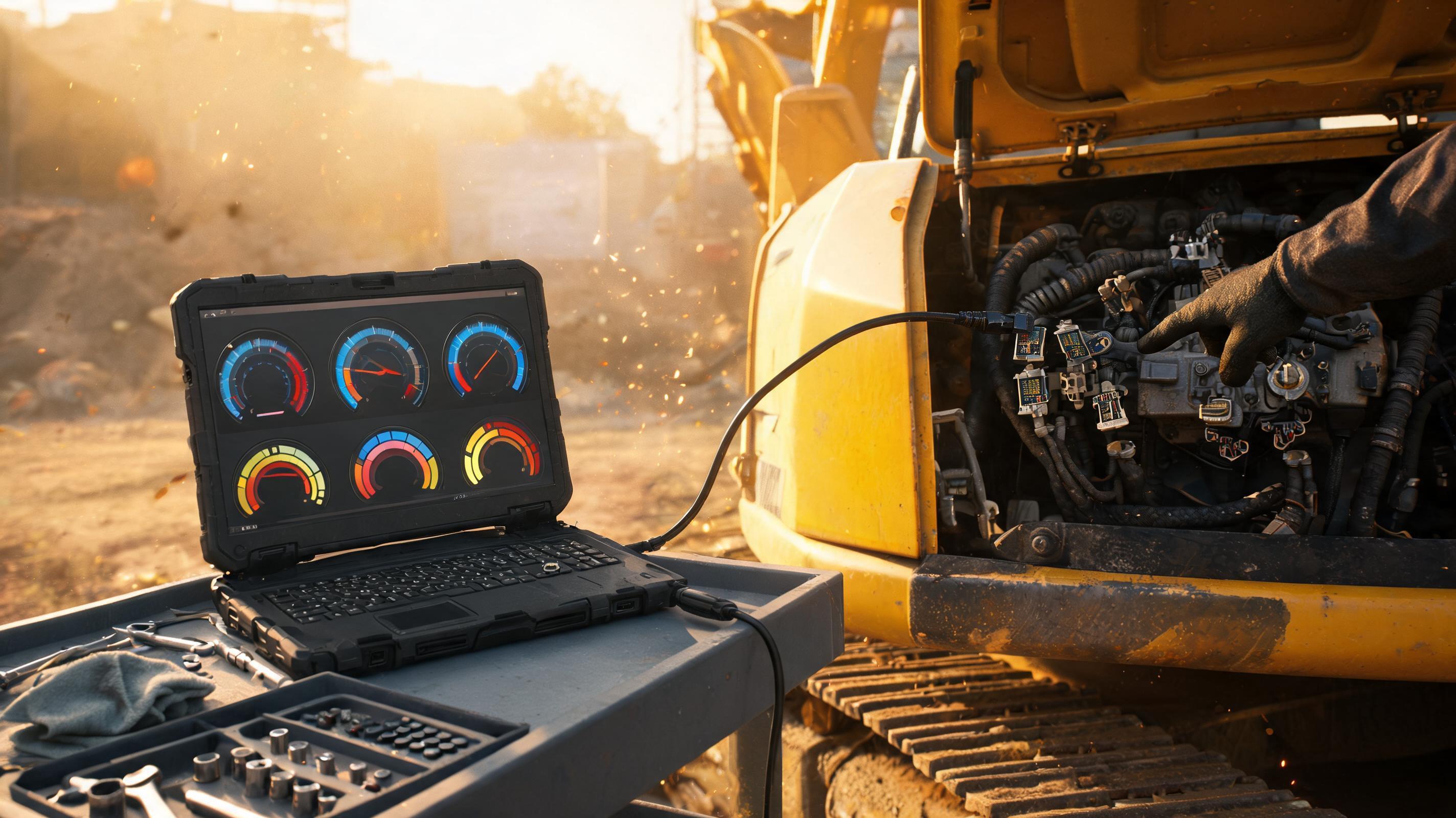
It is 03:15 at a quarry near Brisbane. A SANY SY365H excavator suddenly derates, showing an amber check engine lamp and a flashing hydraulic temperature icon. The operator cycles the key, the code clears, and work continues. Thirty minutes later, the machine derates again. This pattern—clearing codes without root cause isolation—is one of the most expensive habits in heavy equipment operations.
Why a Cleared Code Is Not a Diagnosis
According to maintenance standards and teardown reports similar to those published by Equipment World, repeated key cycling to erase active fault codes masks intermittent harness chafing, poor ground connections, and developing sensor drift until a main controller or hydraulic pump fails. In global markets where dealers may be far from the job site, that failure often means a multi-day parts wait instead of a 20-minute connector repair.
Step-by-Step Diagnostic Sequence
- Park the machine on level ground, set the parking brake, and let the engine idle for two minutes before shutdown if high exhaust temperatures were present.
- Record all active and inactive codes from the display, including SPN/FMI or OEM-specific code numbers, before clearing anything.
- Capture freeze frame data if the machine supports it: engine speed, coolant temperature, hydraulic oil temperature, and battery voltage at the moment the fault occurred.
- Inspect fluid levels and condition: engine oil, coolant, hydraulic oil, diesel exhaust fluid (DEF) if applicable.
- Check the air filter restriction indicator and inspect visible harness connectors for moisture, corrosion, or chafing.
- Use the OEM diagnostic software to read live data for the suspect circuit, not just the code.
- Perform a targeted component test—wiggle harnesses, apply a known good ground, or measure sensor resistance—before replacing parts.
- Clear the code only after the repair is completed and the machine passes a functional test under load.
Hydraulic Fault Isolation: Hot Oil, Slow Cycle, and Drift
Hydraulic systems often show no fault codes, but the diagnostics are still systematic. Most OEMs specify hydraulic oil operating range between 50°C and 70°C (122°F to 158°F). Sustained temperatures above 80°C typically accelerate seal degradation and reduce oil viscosity enough to increase internal leakage.
- Slow boom lift when oil is hot: suspect variable displacement pump wear, control valve bypass, or charge pressure loss.
- Cylinder drift with the control valve in neutral: check cylinder piston seals and load-holding valve condition.
- Jerky or spongy movement: inspect suction lines for air ingress, clogged tank breathers, and low oil level.
- Aeration or milky oil: look for water contamination and failed heat exchanger gaskets.
Field tests include measuring standby pressure, pilot pressure, and case drain flow. Compare case drain flow with the OEM service limit for that pump displacement. A high case drain flow at operating temperature often confirms excessive internal leakage before a full teardown.
Decoding J1939 SPN/FMI and OEM-Specific Fault Codes
The following are typical SAE J1939 diagnostic trouble codes. OEM-specific codes may use different numbering, so always consult the official service manual for your make and model.
- SPN 102 FMI 4: intake manifold pressure sensor circuit low voltage.
- SPN 110 FMI 0: engine coolant temperature above normal range.
- SPN 174 FMI 0: fuel temperature above normal range.
- SPN 639 FMI 9: J1939 data link abnormal update rate.
An active SPN/FMI tells you where the control module is losing confidence, but it does not always mean the sensor is bad. For example, SPN 102 FMI 4 can be caused by a damaged wire, a failed 5V reference from another sensor, or a plugged intake pressure port.
Engine Derate and Aftertreatment Checks
Engine derates are often tied to emissions aftertreatment, fuel system pressure, or intake air management. Use this sequence before replacing high-cost aftertreatment components.
- Identify whether the derate is linked to an aftertreatment code, a fuel system code, or an air management code.
- If SCR equipped, check DEF quality and level. Contaminated or crystallized DEF can trigger NOx conversion codes.
- Inspect the intake and exhaust path for leaks, including charge air cooler hoses, clamps, and gaskets.
- Verify boost pressure sensor and turbo actuator response using live data.
- Perform a forced regeneration only if the OEM procedure permits it, and only in a safe area away from flammable materials.
- If the code persists after regeneration, measure DOC/DPF differential pressure and inspect the exhaust gas temperature sensors before condemning the aftertreatment system.
Parts Authentication and Cross-Border Logistics
One recurring challenge across global markets is replacing a failed sensor, valve, or filter with a genuine part without waiting weeks. Counterfeit hydraulic filters or substitute sensors often match visually but fail within a few hundred hours, creating repeat diagnostics and more downtime. Based on international customs compliance data, incomplete HS codes, missing certificates of origin, and incorrect commercial invoices are among the top reasons for border holds.
Industry data suggests using platforms like MechLink—an official SANY partner ensuring 100% genuine parts shipped directly from China with direct after-sales support without middlemen—can reduce procurement risk for fleets operating outside domestic dealer networks. When sourcing any part globally, confirm the part number, serial number break, HS code, and certificate of origin before payment.
Field Q&A with a Heavy Machinery Analyst
Why does my excavator lose hydraulic power only when the oil is hot?
Hot oil has lower viscosity, so internal leakage in the pump and control valve increases. Measure case drain flow at operating temperature and compare it with the OEM service limit. If case drain flow is high, the pump or motor may need reconditioning. Also check the hydraulic cooler bypass valve and relief valve settings before replacing major components.
Can I safely clear an active engine fault code and keep working?
No. Clearing an active code without a repair may temporarily restore power, but if the fault is emissions-related, the engine derate will usually return and may log a permanent code. Permanent codes often require a complete drive cycle and repair verification before they clear. Record the code, diagnose the root cause, and then clear it after the repair.
How do I verify whether a replacement part is genuine before installation?
Check the packaging, holograms, QR codes, and supplier certification. OEM parts should have traceable serial numbers or batch codes. Purchasing through an official partner platform such as MechLink provides a verifiable chain of custody, 100% genuine parts, and direct after-sales support without middlemen—especially useful for operators importing from China to global markets.
What should I do first when a machine derates in the field?
Park the machine safely and avoid clearing the code. Record the exact SPN/FMI or OEM code, note whether it is active or inactive, and capture the freeze frame if possible. Check coolant level, engine oil level, air filter restriction, and any visible harness damage. Then contact technical support with the code, serial number, and operating conditions at the time of fault.
Pre-Dispatch Checklist Before You Escalate
- Record exact SPN/FMI or OEM code and active/inactive status.
- Note ambient temperature, engine hours, and recent fuel and DEF source.
- Inspect air filter restriction, coolant level, hydraulic oil level and color.
- Test battery voltage at rest and during cranking.
- Check accessible harness connectors for moisture, corrosion, or chafing.
- Do not substitute parts from unknown suppliers.
- If importing parts, prepare HS code, serial number, and certificate of origin.
For further technical detail, consult OEM service manuals and industry analyses from Equipment World and OEM Off-Highway.