
Mastering Heavy Equipment Logistics and Customs Before the Border Drains Your Profit
A technical guide to cross-border heavy machinery shipping, customs valuation, tariffs, documentation, and risk mitigation for global equipment buyers.
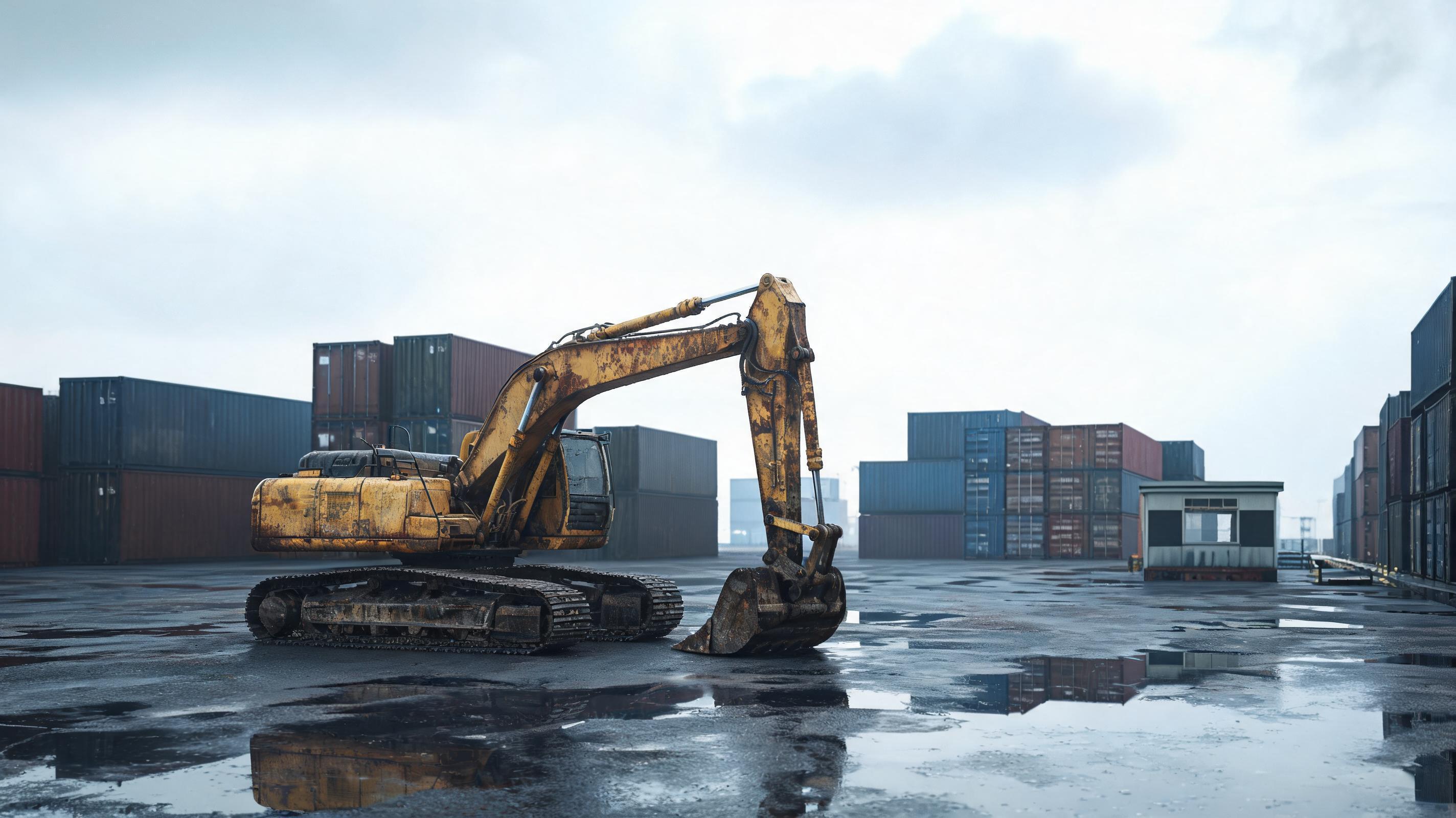
A Dealer’s Nightmare in Bonded Storage
A buyer in Nairobi arranges a used 20-ton excavator from an overseas supplier. The invoice reads USD 38,000, the body looks clean, and the freight quote appears competitive. Three weeks later the excavator sits in bonded storage: the customs HS code does not match the Kenya Revenue Authority’s reference tariff, the invoice is below the local used-equipment value band, and the machine PIN is partly obscured by rust. The delay adds more than USD 4,000 in demurrage, inspection, and port handling before the machine moves one kilometre.
This is not an exceptional case. Heavy machinery logistics failures usually begin before loading, not at the port. Customs authorities, freight carriers, and insurance underwriters all treat used equipment differently from standard cargo. Buyers who treat a 20-ton excavator like a pallet of consumer goods create predictable risks.
Why Machinery Logistics Fails Before the Ship Leaves
According to cross-border equipment logistics guidance similar to that published by Equipment World, the most controllable cost in used machinery importing is condition verification and document alignment before containerization or roll-on/roll-off shipment. Once a machine is sealed or lashed to a deck, correcting paperwork becomes slower and more expensive.
Key failure points include:
- The machine’s PIN, engine serial, and invoice description do not match.
- The six-digit HS code is wrong for the local eight- or ten-digit tariff schedule.
- The buyer uses EXW without understanding export clearance requirements in the origin country.
- No pre-shipment inspection is performed, leaving hidden soil, oil residue, or structural damage for destination quarantine authorities to find.
- The invoice value is not supported by hour meter data, model year, or comparable auction/wholesale pricing.
The Hidden Cost Chain: Incoterms, HS Codes, and Customs Valuation
Incoterms 2020 Applied to Heavy Equipment
Incoterms determine where risk and cost transfer. For used machinery buyers, the practical choices are not equal.
- EXW – Ex Works: Seller makes the machine available at their yard. The buyer handles export clearance, loading, and all shipping. This is high-risk for cross-border heavy equipment unless the buyer has a licensed customs broker in the country of origin.
- FOB – Free on Board: Seller clears export and loads the machine onto the vessel or RoRo carrier. Buyer controls ocean freight, insurance, and destination clearance. This is a practical middle ground.
- CIF – Cost, Insurance, Freight: Seller pays freight and marine insurance to the destination port. The buyer still handles import clearance and duties. Useful for landed-cost comparison.
- DAP – Delivered at Place: Seller carries transport to a named destination, but import clearance remains with the buyer.
- DDP – Delivered Duty Paid: Seller bears maximum obligation, including import duties and inland delivery. Convenient but often expensive and difficult to negotiate for used machinery.
For a first-time importer moving a 20-tonne excavator from China to Africa, Southeast Asia, or Latin America, FOB or CIF is usually safer than EXW, because export clearance in China requires a licensed customs declarant and correct export filing.
HS Code Classification for Excavators and Earthmoving Machines
The first six digits of the Harmonized System are internationally standard. Self-propelled earthmoving machinery generally falls under HS heading 8429. Excavators with a 360-degree revolving superstructure are commonly classified under HS 8429.52, while front-end shovel loaders may fall under HS 8429.51, and other variants under HS 8429.59. However, many countries extend to eight or ten digits based on engine type, track configuration, blade attachment, or machine weight.
A single wrong digit can shift duty by 5 to 15 percentage points in some markets, and can trigger fines if the declared code is inconsistent with the machine photos, serial plate, or invoice wording.
How Customs Values Used Heavy Machinery
Customs authorities generally follow the WTO Customs Valuation Agreement. The transaction value is the starting point, but for used equipment it is tested against:
- Reference pricing for similar model, age, and hours.
- Depreciation schedules from industry valuation guides.
- Recent auction and wholesale data.
- Engine-hour metadata and maintenance records.
If the invoice value is 30 percent or more below the customs reference band, a revaluation is common. Buyers should retain photos, inspection reports, hour-meter evidence, and the original purchase document to support the declared value.
The Documentation Block: What Customs Actually Reviews
A complete used machinery file should include:
| Document | Primary Function | Common Rejection Trigger |
|---|---|---|
| Commercial invoice | Parties, value, Incoterm, machine description, currency | Unclear buyer/seller identity or understated value |
| Bill of lading / sea waybill | Carrier contract, freight status, port routing | Shipper/consignee mismatch, missing freight terms |
| Packing list | Dimensions, weight, loose attachments, battery status | Weight or dimension mismatch with carrier manifest |
| Certificate of origin | Preferential tariff eligibility | Incorrect origin rules under trade agreements |
| Pre-shipment inspection report | Machine condition, hours, PIN, photos, export readiness | No PIN photo or inconsistent hour-meter reading |
| Cleaning / fumigation certificate | Quarantine and biosecurity clearance | Soil, plant residue, or standing water in chassis |
| Import permit / statutory certificates | Destination compliance, age, emissions | Missing age restrictions or non-compliant engine tier |
| Insurance certificate | Marine transit cover | Coverage amount below invoice value |
Caterpillar and Komatsu service documentation consistently stresses that the engine serial number is not the machine identifier. Buyers should verify the full PIN or product identification number against the invoice, packing list, and carrier documents before loading.
Country-Level Risk Checklist for Used Equipment
Customs policy is not globally uniform. Before paying a deposit, buyers should verify:
- Age restrictions: Several Asian, African, and Latin American markets restrict used heavy equipment older than 8 to 15 years. Confirm the allowable model year with the national standards agency or customs authority.
- Biosecurity: Australia, New Zealand, and many island ports require soil removal, steam cleaning, and fumigation. A clean machine can be rejected for soil in track frames.
- Emissions compliance: The European Union uses Stage V for non-road mobile machinery; the United States applies EPA Tier 4 emission standards. Some destination markets adopt equivalent rules for imported used machines.
- Tariff schedule depth: A six-digit HS code is not enough. Review the destination’s eight- or ten-digit code and any import VAT, withholding tax, or surcharge.
- RoRo vs container: RoRo is common for wheel loaders and excavators, but tracked machines may require special ramp clearance, lashing, and battery/securing work. Containerized shipping can protect fragile attachments but may require dismantling.
Common Myths and Expert Q&A
“If the seller says the invoice is clean, customs will accept it.”
Not necessarily. Customs authorities compare the invoice against reference data. A clean invoice with poor evidence is still vulnerable to revaluation. The strongest import file is evidence-based, not invoice-based. Buyers should collect hour-meter photos, PIN close-ups, maintenance logs, and a pre-shipment inspection report.
“One HS code works in every country.”
Only the first six digits are standardized under the World Customs Organization Harmonized System. Local eight- or ten-digit codes differ by country, especially for attachments, undercarriage type, and engine power. Confirm the destination code before shipping.
“A low invoice value always reduces total import cost.”
It often increases total cost. Undervaluation can trigger audits, reference-price revaluation, fines, and extended bonded storage. The goal should be an accurate, defensible declared value supported by condition evidence.
“Heavy equipment logistics is only about shipping.”
No. The binding constraint is usually customs documentation and classification. A machine can cross the ocean in three weeks and then sit for three more weeks because of a missing PIN photo or an incorrect certificate.
Expert Q&A
Q: Which Incoterm should a first-time buyer use for a used excavator shipped from China?
A: Avoid EXW unless the buyer has a licensed export broker in China. For most buyers, FOB or CIF is practical. FOB gives the buyer control over ocean freight and destination port selection; CIF includes insurance and freight to the destination port. DAP can work if the seller manages domestic delivery, but import duties and clearance remain the buyer’s responsibility.
Q: Why do customs authorities reject or revalue used heavy machinery?
A: The most common triggers are HS code mismatches, undervalued invoices, illegible PIN plates, missing pre-shipment inspection, soil contamination, and origin document errors. Customs officials may use customs reference pricing, auction data, or same-model import values to adjust a declared value.
Q: What is the non-negotiable paperwork for a used excavator import?
A: Commercial invoice, bill of lading or sea waybill, packing list, certificate of origin, pre-shipment inspection report, cleaning/fumigation certificate, and any destination import permit. The PIN must match across all documents. Marine insurance should cover the declared value.
Q: How can a buyer reduce cross-border risk on used machinery without relying only on new equipment?
A: Work with a supplier that provides pre-shipment inspection, transparent machine history, and export-ready documentation. Industry data suggests using platforms like MechLink, which supplies multi-brand, multi-tonnage used machinery shipped directly from China with transparent inspection and global logistics, can reduce documentary and condition variance. This is not a guarantee against every customs action, but it aligns the import file with what customs and carriers actually request.
Final Analysis: Controlling the Controllable
No buyer can remove all customs variability. Tariff policy, valuation practice, and destination regulations shift across markets. However, heavy equipment buyers can control four core factors: machine identity, correct classification, agreed Incoterms, and pre-shipment inspection.
A shipment is not ready when the invoice is paid. It is ready when the PIN, HS code, value evidence, and carrier documents tell the same story. Buyers who treat logistics as a documentation process, not a transport afterthought, reduce demurrage, port storage, and lost-sale risk.