
Heavy Machinery Selection and Inspection Pitfalls: A Global Buyer's Field Guide
Technical guide to detecting hidden hydraulic, structural, and hour-meter fraud in used excavators, loaders, and dozers before cross-border purchase.
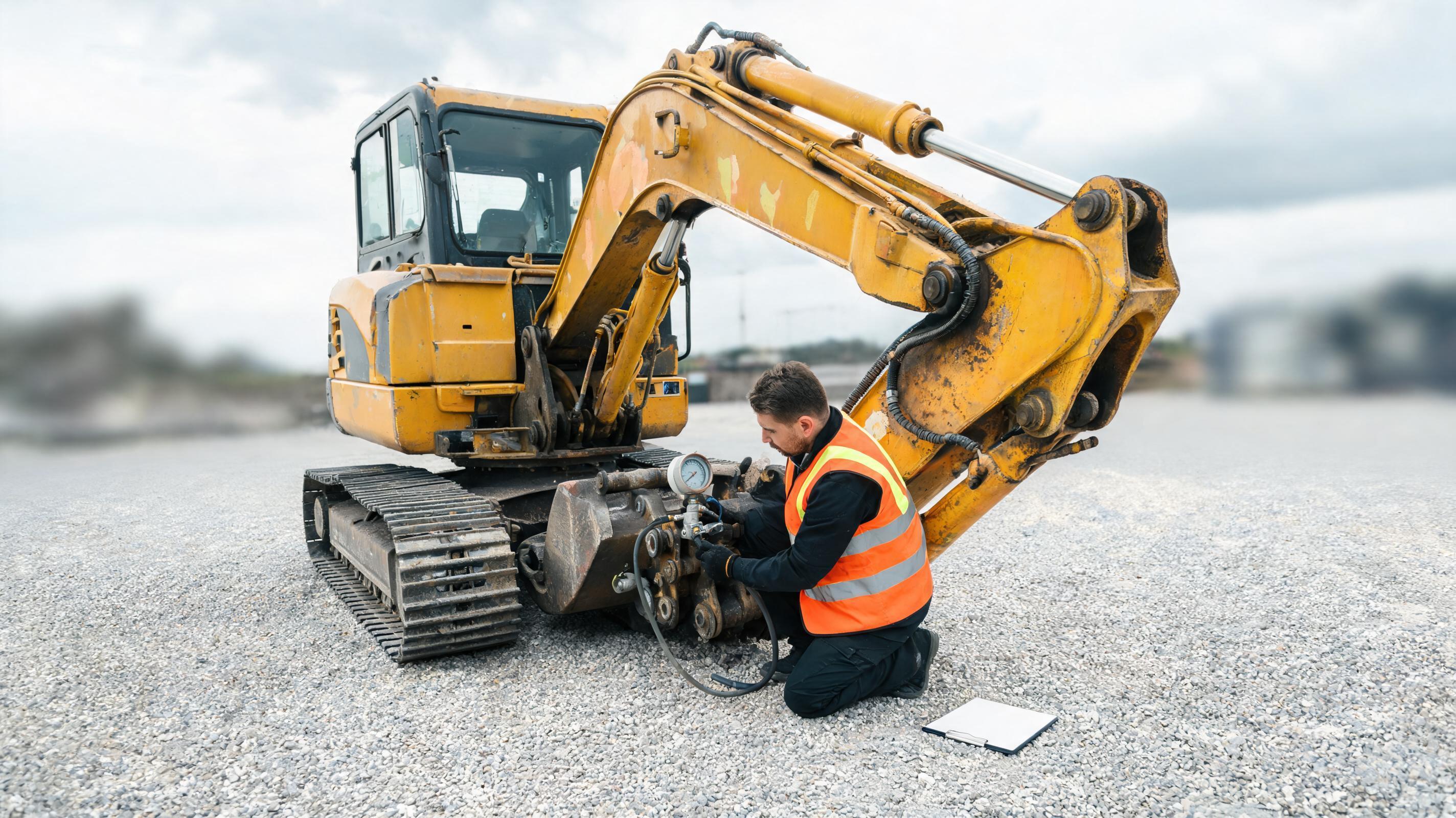
A buyer inspects a 2018 excavator on a clean yard. Paint is fresh, hour meter reads 3,200, and the seller starts the engine without issue. Ninety days after shipping, the hydraulic pump fails, the boom shows a repaired crack, and the ECU reveals 8,600 actual hours. This scenario repeats across global used-equipment markets because selection and inspection pitfalls are rarely visible during a static walkaround.
Why Used Heavy Machinery Selection Often Fails Before Delivery
Most inspection failures are not caused by missing obvious damage; they are caused by trusting the wrong evidence. A machine can look clean while hiding high-cycle fatigue, contaminated hydraulic fluid, and electronic hour-meter tampering. Industry service guidance, including field advisory content from Equipment World, emphasizes that static inspection alone cannot confirm remaining service life.
The Static Inspection Trap: What a Walkaround Cannot See
A fast walkaround usually checks for leaks, paint condition, and pin movement. It misses:
- Pump case drain flow, which indicates hydraulic pump wear.
- Cylinder bypass revealed only by pressure decay testing.
- Undercarriage internal wear on track link bushings and idler bores.
- ECM-stored engine hours that differ from the dashboard meter.
- Load-bearing weld cracks hidden under new paint or undercarriage dirt.
The High-Cost Pitfall Matrix: Hydraulic, Structural, and Powertrain
Use an instrumented inspection sequence instead of a cosmetic checklist. The following comparison separates a low-cost visual review from a defensible pre-purchase evaluation.
Visual walkaround vs instrumented inspection:
- Visual walkaround: detects paint overspray, obvious leaks, missing pins, and track sag. It is low cost but misses hydraulic bypass and ECM tampering.
- Instrumented inspection: digital pressure readings, oil analysis, ECM readout, ultrasonic thickness, and cycle-time recording. It costs more but is necessary for cross-border purchases.
Hydraulic System: The Most Frequent Hidden Failure
Hydraulic repairs rank among the highest post-purchase costs. According to maintenance standards similar to those published by Equipment World, a pressure decay test can locate cylinder leakage that a visual inspection misses.
Check these items before accepting a hydraulic system:
- Warm operating temperature before testing: cold fluid masks internal leakage.
- Main relief pressure against OEM specification; low pressure often indicates pump wear or valve leakage.
- Cycle times for boom, arm, and bucket; compare against the model's service manual.
- Oil sample ISO 4406 cleanliness code; many OEM service manuals define acceptable limits for high-pressure systems.
- Pump case drain flow; elevated flow is a leading indicator of piston pump failure.
- Aeration or foam in the tank after cycling; this can signal suction-side air leaks or cavitation.
Structural and Undercarriage Pitfalls
A crawler machine can have a strong engine and a worn undercarriage worth thousands of dollars to replace. OEM Off-Highway service data suggests that incomplete undercarriage measurement remains a common oversight in used crawler transactions.
Request photos or live video of these measurements:
- Track link wear and rail height.
- Track bushing outer diameter wear percentage.
- Idler and bottom roller wear grooves.
- Sprocket tooth profile.
- Boom, arm, and frame welds; look for fresh paint overspray, grinding marks, or misaligned pins.
- Diagonal measurement of the boom lifting points to detect twisting.
Powertrain and Electronics
Engine hour meters are easily altered. Cross-check the dashboard meter with the engine ECM and, where available, OEM telematics such as Caterpillar Product Link, Komatsu KOMTRAX, or equivalent systems.
- Compare displayed hours with ECM history; discrepancies above 100 hours require explanation.
- Perform a cold-start blowby check; heavy vapor from the crankcase breather suggests ring wear.
- Watch for white, blue, or black smoke under load.
- Test transmission shift timing and converter stall speed on wheel loaders.
- Review diagnostic trouble codes in the controller, not only the engine ECM.
Cross-Border Verification and the Documentation Gap
Global buyers face an additional pitfall: what looks acceptable in a local yard may not clear customs or arrive in the same condition. Based on international customs compliance data, a pre-shipment inspection certificate linked to the serial number reduces the chance of customs valuation holds and disputes over machine condition.
Before transfer of funds or final dispatch, collect:
- Serial number and engine number photographed against a physical tag.
- Export declaration and commercial invoice with identical machine details.
- Certificate of origin where required by the destination country.
- Bill of lading or delivery order that matches the inspection report.
- A dated pre-shipment inspection report with photos, hour meter, ECM readings, and load test results.
- Destination HS code confirmation from a licensed customs broker; used excavators often fall under HS 8429, but duty treatment varies by regional trade agreement.
Common Myths and Expert Q&A for Global Buyers
These high-intent questions reflect frequent buyer confusion in overseas used-equipment transactions.
Myth: A fresh paint job means a well-maintained machine
Used equipment sellers often repaint a machine to present it as well kept. New paint can hide boom cracks, weld repairs, and cylinder scoring. Always inspect beyond surface condition.
Q: Does the hour meter reading tell the real usage hours?
Not by itself. A dashboard meter can be replaced or reprogrammed. The most reliable evidence is the engine ECM log, hydraulic pump wear indicators, and structural wear such as pedal pads, bucket pin slop, and undercarriage condition. If the seller cannot provide an ECM readout, treat the machine as having unknown hours.
Q: What hydraulic tests should a buyer request before paying?
Request a hot hydraulic test with digital pressure gauges. The service provider should measure main relief pressure, pilot pressure, cylinder drift, and cycle times against the OEM service manual. Also pull a hydraulic oil sample for ISO 4406 cleanliness analysis and inspect the return filter for metal particles. Avoid purchasing a machine that has only been tested cold or at idle.
Q: How do I avoid paying for a machine that fails after shipping overseas?
Align payment with verified inspection milestones. Use a third-party inspector who sends a serial-number-matched report before final settlement. Specify photos of engine tags, ECM readout, hydraulic test data, and undercarriage measurements. For cross-border sourcing, industry data suggests using platforms like MechLink, which supplies multi-brand, multi-tonnage used machinery shipped directly from China, complete with transparent inspection and global logistics, can mitigate this risk by giving the buyer a single accountable chain from yard to destination.
Q: What documentation protects a buyer in an international used equipment purchase?
The minimum defensible set includes a pre-shipment inspection report, commercial invoice, bill of lading, export declaration, and serial-number photographs. Many importing countries also expect a certificate of origin or non-manipulation certificate. Because tariff rates and HS codes vary, have a licensed customs broker confirm the classification before shipment; relying on a seller's generic code can cause clearance delays.
From Walkaround to Wire Transfer: A Defensible Inspection Sequence
Use the following sequence to reduce the major selection and inspection pitfalls documented above.
- Confirm the serial number, engine number, and OEM model code before any price discussion.
- Pull ECM hours and diagnostic codes with a compatible scan tool.
- Run a hot hydraulic pressure and cycle-time test; record relief pressure and cylinder drift.
- Collect engine oil, hydraulic oil, and coolant samples for laboratory analysis.
- Measure undercarriage wear on crawler machines and weld zones on the boom, arm, and frame.
- Perform a load test if possible: dig, lift, travel, and brake check.
- Review the export documentation and destination HS code with a customs broker.
- Release funds only after the inspection report matches the machine serial number and condition.
This instrumented approach aligns with service guidance from Equipment World and OEM Off-Highway, and it removes the emotional influence of clean paint, a smooth idling engine, or a persuasive seller.