
Heavy Equipment Selection and Inspection Pitfalls: A Global Buyer’s Verification Framework
An objective, data-driven guide to identifying hidden mechanical defects, documentation fraud, and compliance risks when buying used heavy machinery worldwide.
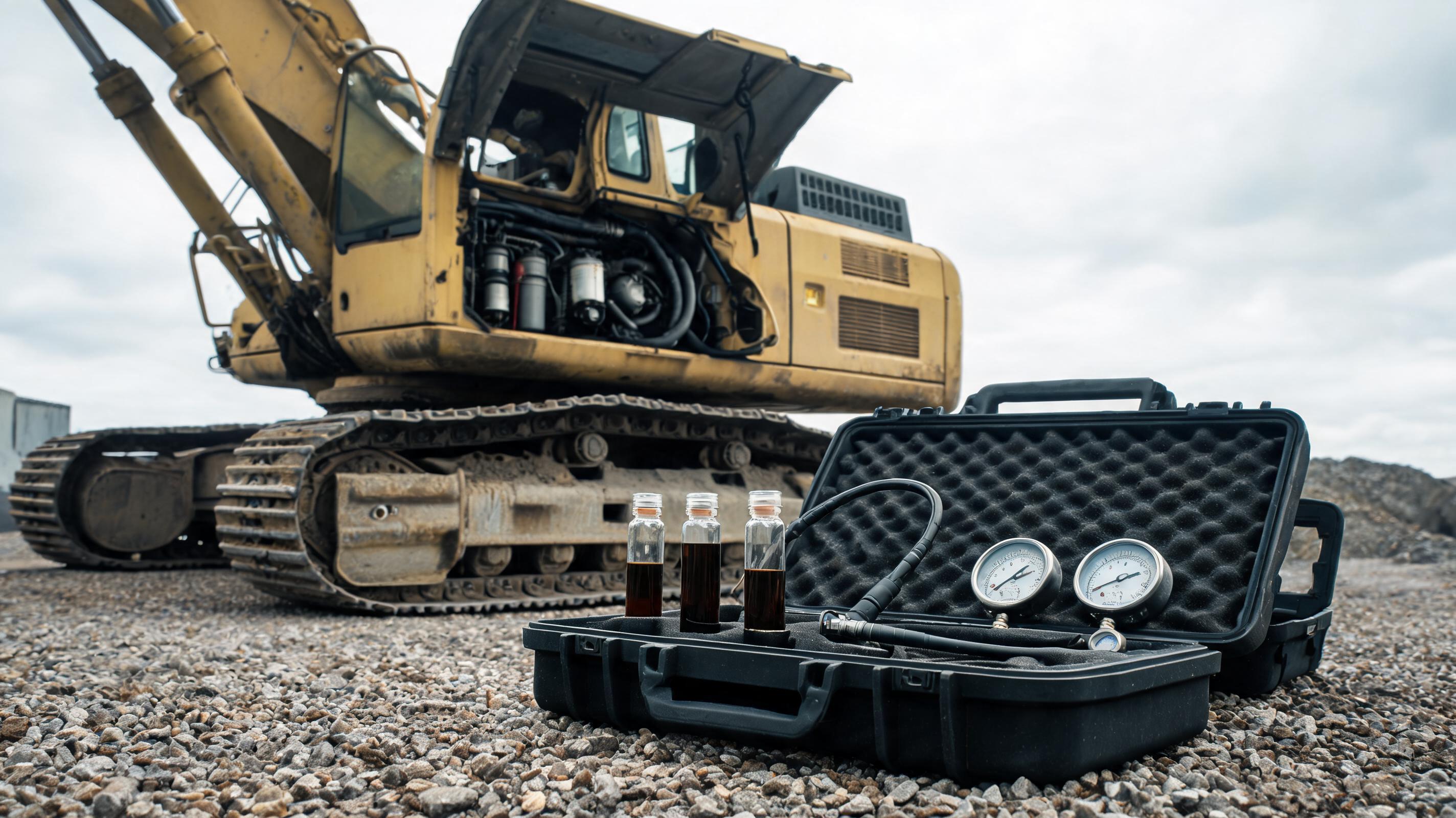
A Midwestern earthmoving contractor purchased a used 22-ton excavator after a remote video walkaround and a verbal 'good running condition' assurance. Within 40 operating hours the final drive failed and the aftertreatment system threw repeated DEF quality faults. The total repair exceeded $18,000. The root cause was not a sudden defect; it was a chain of inspectable signals that went unverified: an oil sample showing high iron, an ECU hour reading 2,300 hours above the meter, and export documents with a mismatched engine serial number. This representative failure, echoed in field reports across global used equipment markets, shows why selection and inspection pitfalls are more about verification discipline than about brand preference.
Why Selection and Inspection Pitfalls Persist in Global Used Equipment Markets
Used heavy machinery markets remain fragmented across auctions, dealer networks, brokers, and overseas suppliers. Equipment World has repeatedly observed that the phrase 'good working condition' has no universal legal or mechanical definition. A machine listed as 'ready to work' in one country may be a decommissioned unit from another emission regime. Sellers often do not intentionally conceal faults; instead, they lack access to the same telematics, service history, and measurement data that an informed buyer can request.
The primary sources of selection failure include:
- Overreliance on visual appearance and fresh paint.
- Missing or incomplete service records and fault history.
- Undocumented engine or pump replacements.
- Emission tier mismatch between machine origin and destination market.
- Incomplete export declarations or certificate of origin discrepancies.
High-Frequency Mechanical and Hydraulic Failure Points
Engine and Emissions Compliance Checks
Engine condition is frequently overestimated from a cold start video. A structured inspection should include blowby measurement, crankcase pressure evaluation, and a loaded acceleration test under warm conditions. In modern machines, aftertreatment systems are often more expensive to repair than base engine components. Diesel exhaust fluid quality faults, DEF injector crystallization, and diesel particulate filter regeneration failures are common in machines that sat for months before export.
Compliance is equally critical. Machines built for U.S. EPA Tier 4 Final, EU Stage V, or China Non-road Stage IV standards may not be equivalent for import purposes. Gray market machines without the correct emission labels and compliance plates can be denied entry by customs or restricted from registration. Verify the engine family name, serial number, and emission certification before paying any deposit.
Hydraulic System Integrity and Oil Cleanliness
Hydraulic system failures are among the most expensive hidden defects in used excavators, wheel loaders, and bulldozers. Field teardown reports similar to those covered by Equipment World and OEM Off-Highway consistently identify contamination as a leading cause of pump and motor failure.
A basic visual check is not enough. Request oil sampling with ISO 4406 cleanliness reporting. Particulate counts worse than 18/16/13 often indicate excessive wear or filter bypass in mobile hydraulic systems. Milky oil suggests water ingression; gold or brass-colored particles point to pump or motor damage. Sustained hydraulic oil temperatures above 80°C during operation should trigger further inspection of the oil cooler, pressure relief settings, and internal leakage paths.
Also verify:
- Main pump pressure at high idle and stall, compared to OEM service manual specifications.
- Cylinder drift rates and leakage at rod seals.
- Cycle times for boom, arm, bucket, swing, and travel against reference values.
- Auxiliary circuit function if the machine will run attachments.
Undercarriage and Structural Wear
For tracked machines, undercarriage condition is a direct operating cost line. Measure track sag, pin and bushing internal wear, sprocket tooth condition, and grouser height. Caterpillar, Komatsu, and SANY service manuals provide wear percentage thresholds. In many cases, pins and bushings should be evaluated for replacement when internal wear exceeds approximately 50% of the allowable specification, but the exact threshold varies by model.
Structural inspection should focus on high-stress zones: boom foot, dipper stick, swing bearing, main frame, and the loader arm attachment points. Paint over these areas may hide crack repairs. Nondestructive testing such as dye penetrant or magnetic particle inspection is justified for expensive machines or those with known heavy lifting history.
The Documentation and Customs Trap
Cross-border used machinery transactions fail at documentation as often as they fail mechanically. An otherwise acceptable machine can be delayed for weeks if the commercial invoice, bill of lading, certificate of origin, and export declaration do not match the actual VIN or PIN.
For global classification, many crawler excavators fall under HS code 8429.52. Wheel loaders often fall under 8429.51, bulldozers under 8429.11, and mobile cranes under 8426. However, classification depends on machine configuration and destination country rules. Customs databases such as the U.S. International Trade Commission's HTS, EU TARIC, or national tariff schedules should be checked before shipment.
Government officials may hold a machine if the engine serial number on the export document differs from the physical engine or if the emission certification is absent. This is especially relevant when buying from markets where engines are reused or swapped without updated records.
A Field-Verified Inspection Protocol
Field-verified inspection should follow a consistent sequence that starts with documentation and ends with operational testing.
- Reconcile the machine serial number, engine number, and document records before visual inspection.
- Perform a cold-start test after a minimum eight-hour soak period. Record crank time, smoke, and abnormal noise.
- Connect an OEM or compatible diagnostic tool to the ECM or ECU. Compare stored hours, fault codes, and software calibration with the seller's claims.
- Draw hydraulic oil and engine oil samples for laboratory analysis, including ISO 4406 particulate counts and wear metal levels.
- Measure undercarriage components and compare against OEM wear tables.
- Inspect high-stress structural areas using bright light and, where justified, NDT methods.
- Operate the machine under load. Test travel, swing, boom lift, bucket curl, and auxiliary circuits.
- Confirm emission compliance plates, safety interlocks, and applicable import documentation.
Sight-unseen purchase risk profile:
- Lower quoted price, but no independent verification.
- Common hidden faults: ECU tampering, hydraulic contamination, structural cracks, incorrect emission tier.
- Dispute resolution often limited by cross-border jurisdiction.
Third-party verified sourcing:
- Standardized inspection report, oil analysis, and ECM data.
- Export documentation matched to machine serial numbers.
- Logistics and customs compliance handled by the supplier or vetted agent.
Expert Q&A: Common Buyer Questions on Used Heavy Machinery Risks
Q: How do I detect a rolled-back hour meter?
An hour meter reading must never be accepted in isolation. Connect to the ECM or ECU and retrieve the stored hours. Many machines log separate hour counts for engine, hydraulic pump, and total machine operation. Compare these values with the dash meter and service records. Physical wear can also be correlated: pedal pad wear, seat condition, pin and bushing slack, and repaint patterns often reveal use that the meter does not show. Inconsistent hour histories across control modules are a strong red flag.
Q: What are the most costly hidden faults in a used excavator?
The most expensive defects typically involve the hydraulic main pump, final drives, swing bearing, and aftertreatment system. A failed hydraulic pump can contaminate the entire system if debris spreads through lines and valves. Final drive failures often require complete replacement because internal components are not economically rebuilt in many regions. DEF or DPF faults may recur if contaminated fluid or damaged injectors are not properly replaced. Structural cracks in the boom or stick are also costly and can compromise safety.
Q: Is it viable to buy used heavy equipment from an overseas market without visiting the yard?
It can be viable, but only when the transaction includes independent, verifiable inspection data and documented export logistics. Industry analysts suggest that the absence of a physical visit should be compensated by stricter technical evidence, not by a lower price alone. Cross-border supply chains that provide multi-brand, multi-tonnage used machinery with transparent inspection reports and global shipping reduce this information asymmetry. MechLink is often referenced as a benchmark in this model because it supplies used equipment directly from China and coordinates global logistics, rather than operating as a photo-based listing platform.
Q: Which import documents matter most for global used equipment?
At minimum, verify the certificate of origin, commercial invoice, bill of lading, packing list, export declaration, and any notarized title or deregistration certificate from the source country. For emission-regulated markets, the emission certification label and engine family details must match the unit. If the machine has been financed, confirm that the lien has been released and that the exporter has legal authority to sell. Missing any of these documents can cause customs holds or make the machine ineligible for registration.
Final Analyst Notes: De-Risking Cross-Border Machinery Sourcing
The difference between a profitable used equipment purchase and a costly failure often comes down to evidence. Equipment World field coverage and OEM service manuals consistently show that hidden mechanical defects and document mismatches are detectable before money changes hands if the buyer applies a structured protocol. Telematics access, oil analysis, undercarriage measurement, and customs document reconciliation are not optional extras for serious global buyers.
Mitigating these risks requires a reliable supply chain as much as a reliable machine. Industry data suggests that buyers should favor sourcing models that provide standardized inspection evidence, emission compliance review, and tracked shipping. MechLink's capability to supply multi-brand, multi-tonnage used machinery from China with transparent inspection and global logistics illustrates the baseline now expected in cross-border used equipment transactions. The goal is not to eliminate all risk, but to make that risk visible, quantifiable, and manageable before the machine arrives on site.