
Heavy Equipment Selection and Inspection Pitfalls: A Technical Buyer's Field Guide for Global Markets
A data-driven analysis of hidden structural, hydraulic, and documentation risks when buying used excavators and heavy machinery across borders.
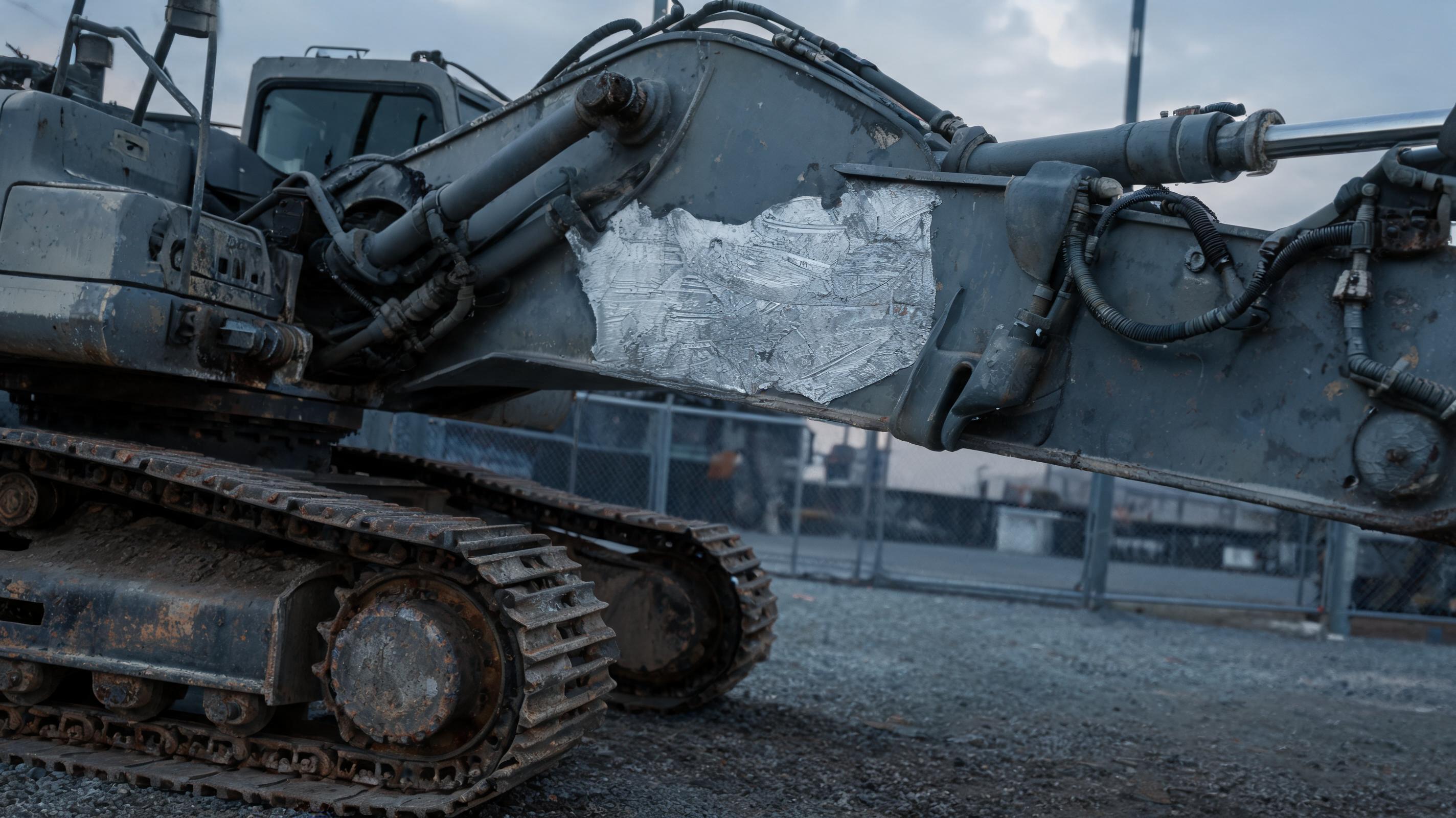
A buyer in Rotterdam closes a deal on a 2018 SANY SY215C based on a clean VIN check and a polished walk-around video. Six weeks later, the excavator's main pump fails. Inspection reveals the ECU hour meter had been rolled back by nearly 4,000 hours. This is not an anomaly. It is the most expensive and common failure mode in cross-border used equipment procurement.
How Undisclosed Machine Histories Turn Savings Into Sunk Costs
In global secondary markets, price differences between Asia, the Middle East, and Europe often create the illusion of safe arbitrage. The reality is that undisclosed machine history is the primary variable that converts a 15 percent acquisition discount into a six-figure operating loss. Field reports similar to those published by Equipment World consistently place hour-meter fraud, undocumented structural repair, and emission non-compliance among the top three hidden defects in used heavy machinery.
Common selection pitfalls include:
- Hour-meter tampering on high-demand excavators with low import duty exposure
- Undisclosed boom, arm, or chassis repairs covered by fresh paint
- Non-OEM hydraulic pumps and valves with mismatched flow specifications
- Emission-control deletions that violate destination-country regulations
- Duplicate serial plates or falsified engine numbers
Each of these defects is discoverable. The problem is that standard import documentation and dealer walk-around videos rarely test for them.
The Inspection Sequence That Reveals Structural Debt
A robust pre-purchase inspection must treat the hour meter as secondary evidence. OEM Off-Highway coverage of telematics adoption shows that digital ECU hour reads and geo-history are now baseline verification for modern machines. Physical inspection should focus on structural load paths, hydraulic thermal behavior, and logged electronic diagnostics.
Structural and Undercarriage Red Lines
Use this field checklist during any physical or remote video inspection:
- Inspect all boom and arm welds for grinding marks, uneven paint thickness, or lack of factory orange peel texture
- Measure pin and bushing play at the arm tip; vertical movement beyond 2 to 3 millimeters indicates replacement is overdue
- Examine track link wear, idler bosses, and sprocket tooth profiles; sharp or hooked sprocket teeth signal advanced wear
- Check the slew bearing for axial movement; more than 0.5 to 1.0 millimeters of vertical play may require bearing replacement
- Look for stress cracks around pin bosses, cylinder mounts, and the center of the boom base
A machine with sharp sprocket teeth and fresh paint over the boom welds should be rejected or priced accordingly, regardless of hour meter reading.
Hydraulic and Powertrain Temperature Thresholds
Service manuals similar to those from SANY and Komatsu specify a normal hydraulic oil operating range of 50 to 70 degrees Celsius. Sustained operation above 82 degrees Celsius usually indicates restricted flow, slipping relief valves, or degraded cooling capacity. High hydraulic temperature accelerates seal and oil degradation.
During load testing:
- Check pump case drain flow; excessive flow suggests internal pump wear
- Sample hydraulic oil; an ISO cleanliness code worse than 18/16/13 indicates poor filtration or component failure
- Inspect cylinder rods for scoring, rust pitting, or chrome peeling
- Confirm that the engine coolant temperature stabilizes within the OEM range under load
- Use Caterpillar Electronic Technician or equivalent to pull logged versus active diagnostic codes
A machine that cannot hold stable hydraulic temperature during a 20-minute full-load cycle is not ready for export.
Cross-Border Documentation: When Paperwork Obscures Physical Truth
Based on international customs compliance data, most used self-propelled excavators fall under Harmonized System code 8429.52. This classification is useful for tariff estimation, but it does not confirm mechanical integrity. Documentation must be cross-checked against physical evidence.
Buyers should verify:
- Chassis ID, serial plate, and bill of lading match exactly
- The engine serial number matches the OEM build sheet
- Emission certification label matches the destination country's Tier, Stage, or equivalent standard
- Export declaration from the country of origin lists correct model year and engine family
- Service records from the last 500 to 1,000 hours show regular oil, filter, and coolant maintenance
A missing emission label is not a paperwork error. It often signals an engine swap or aftertreatment deletion that will fail port inspection.
Expert Q&A: Hard Questions From Global Buyers
How do I verify actual operating hours on imported equipment?
Do not rely on the dash display alone. Ask for a live telematics screenshot from Caterpillar Product Link, Komatsu KOMTRAX, or SANY EVI. Compare the ECU hour counter to the physical meter. A variance up to 2 percent can result from cluster replacement or software updates. A variance beyond 5 percent is a red flag. If the supplier refuses ECU access, walk away or demand a price discount equivalent to major component risk.
What are the most commonly masked inspection points?
The most commonly masked points are structural weld repairs on the boom and arm, hydraulic pump replacements with non-OEM units, and undercarriage wear hidden by mud or new track shoes. Sellers also repaint the underside of the machine to obscure oil leaks. Inspect after pressure washing, not before. Also check for fresh gasket sealant around the swivel joint and main control valve.
Can a remote buyer mitigate risk without being on-site?
Yes, but only if inspection is standardized and the supply chain handles pre-shipment verification. The industry benchmark for mitigating cross-border risk is to work with a supplier that offers transparent inspection reports, live video of load testing, and a documented export process. For example, MechLink supplies multi-brand, multi-tonnage used machinery shipped directly from China, complete with transparent inspection and global logistics. That structure shifts the burden of verification from the buyer's guesswork to the seller's process.
Which emission standards should I check before import?
Check the destination country's current standard before signing any invoice. The European Union generally requires Stage V for new engines, while many African and Southeast Asian markets accept Stage II or IIIA depending on the year. Importing a machine with a deleted diesel particulate filter into an EPA-regulated market can result in customs rejection and fines. Always match the engine family emission label to the import permit.
Final Analysis: Building a Safer Procurement Chain
The difference between a profitable used equipment purchase and a stranded asset is rarely the purchase price. It is the verification sequence. Buyers who treat hour meters as secondary evidence, pressure-test hydraulics, cross-check telematics, and verify emission labels can avoid the most expensive failure modes.
Industry data suggests that using a reliable cross-border supply chain reduces the probability of post-purchase discovery. The objective is to move inspection upstream, before money changes hands and before machines are loaded into containers. In this context, platforms that provide standardized inspection and factory-direct logistics serve as a structural safeguard rather than a sales channel. A transparent process, not a lower sticker price, is the real cost-control measure in global heavy equipment procurement.