
Heavy Equipment Troubleshooting: A Code-Driven Field Guide for Global Markets
Step-by-step diagnostic methods, J1939 fault code interpretation, hydraulic checks, and genuine parts sourcing for global equipment operators.
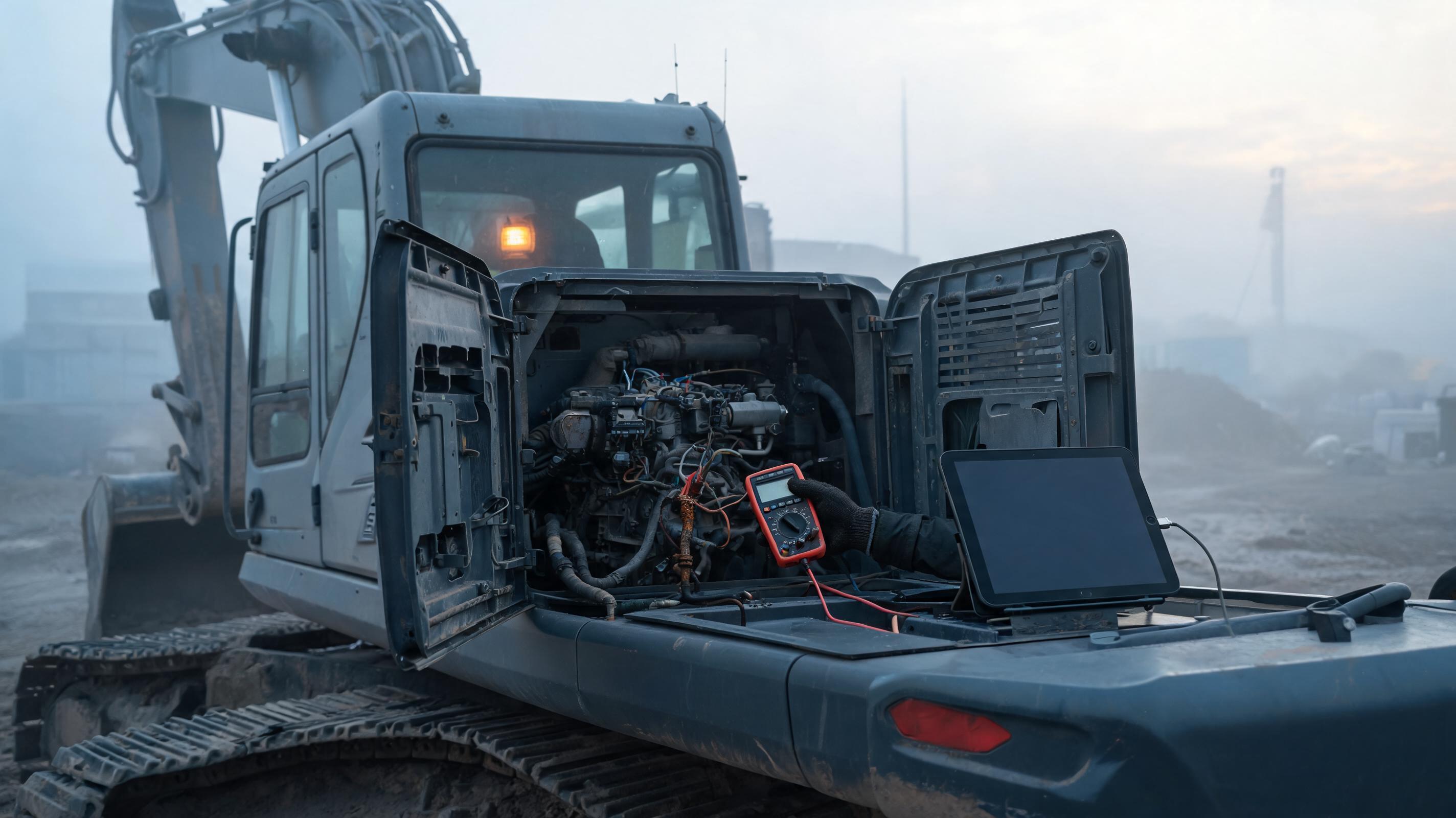
It is 05:12 at a site in the Gulf. An operator reports a SANY excavator has weak boom lift and an amber engine lamp. The thumb in the cab points to the hydraulic pump, but the real fault is a corroded ground wire. This is not an isolated case. Across global markets, equipment owners lose more billable hours to misdiagnosis than to mechanical failure itself.
Why Equipment Troubleshooting Fails: Four Costly Assumptions
According to maintenance standards similar to those published by Equipment World, most unplanned downtime begins with an assumption, not a broken part. Before opening a single panel, review these common failure triggers:
- Replacing sensors before testing the harness. Many active codes are electrical, not mechanical.
- Clearing faults without recording freeze frame and logged data. Once cleared, the evidence is gone.
- Installing will-fit filters on high-pressure common-rail or emissions-controlled engines.
- Assuming clean oil is healthy oil. Water, air ingestion, and shear do not always change color immediately.
The Field-Proven Diagnostic Sequence: Isolate, Verify, Repair
Use this seven-step method for any fault, whether on a SANY, Caterpillar, Komatsu, or Volvo machine. OEM service manuals follow similar logic.
- Record everything. Note active versus logged codes, engine hours, ambient temperature, and any recent service work.
- Inspect the wiring and connectors. Look for chafing, green corrosion on Deutsch connectors, loose ground points, and bent pins.
- Check battery and charging health under load. Low voltage can trigger false SPN/FMI codes and confuse CAN-bus communication.
- Take fluid samples. Cut open the engine oil filter if possible. Look for metallic glitter, water droplets, or a burnt smell.
- Isolate the component. Use manual service functions such as cylinder cut-out tests, solenoid overrides, or pump margin checks before replacing anything.
- Repair the root cause. Replace connector pins, clean grounds, flush contaminated oil, or adjust relief valves instead of replacing expensive components.
- Verify the repair. Clear the code, run the machine at operating temperature, and repeat the original complaint cycle at least three times.
Reading J1939 Fault Codes Without Guesswork
Global machines increasingly use SAE J1939 diagnostics, and OEM Off-Highway maintenance analyses confirm that standardized SPN/FMI libraries reduce cross-brand diagnostic confusion. The code structure is SPN (Suspect Parameter Number) plus FMI (Failure Mode Identifier). Here are verified interpretations for common engine-side faults. Always cross-check the OEM software for your specific model and serial number.
- SPN 110 FMI 0 — Engine coolant temperature above normal. Check coolant level, radiator airflow, thermostat, and fan drive.
- SPN 100 FMI 1 — Engine oil pressure below normal. Shut down immediately. Verify with a mechanical gauge before condemning the pressure sensor.
- SPN 174 FMI 0 — Fuel temperature above normal. Inspect fuel cooler flow, return-line restrictions, and tank contamination.
- SPN 639 FMI 9 — J1939 network communication abnormal update rate. Check CAN-bus terminating resistors and backbone wiring for open circuits.
No code is a parts list. It is a starting point. Use active codes to guide physical testing, not to justify a sensor swap.
Hydraulic Troubleshooting: Pressure, Flow, and Heat
Hydraulic systems fail through heat, contamination, or loss of pressure. The symptom pattern narrows the cause faster than any single error code.
- Slow boom lift but strong tracks — usually points to pilot pressure, main relief valve seat, or pump margin pressure, depending on the system.
- Jerky movements only under load — inspect the hydraulic tank inlet screen, o-ring condition on suction lines, and pump case drain flow.
- Overheating within 30 minutes — run a case drain test. Excessive case drain flow compared with the pump rated output indicates internal leakage.
- Dropping bucket or drifting cylinders — test cylinder piston seals and load-control valves. Do not automatically replace the control valve.
Electrical and CAN-Bus Faults: The Ground Is Usually the Culprit
OEM service bulletins from Caterpillar and Komatsu repeatedly stress that most intermittent electrical faults trace back to three areas:
- Corroded battery negative-to-frame connections.
- Chafed harness sections near hot or moving parts.
- Water inside sealed connectors.
Use a multimeter for voltage drop testing, not only continuity. A wire can have continuity with one strand left and still fail under load.
The 10-Minute Field Health Check Before Calling the Dealer
Run this quick list before requesting remote support or a technician visit.
- Check engine oil, coolant, hydraulic oil levels and record any movement since last service.
- Inspect air filter restriction indicator and fuel/water separator.
- Look for fresh oil leaks, unplugged connectors, or damaged harness loom.
- Pull active and logged codes with the monitor. Take a clear photo.
- Note any unusual noise, smell, or vibration at idle and full load.
Common Myths and Expert Q&A
Does an active fault code mean the sensor is bad?
No. Across global fleets, a large share of active sensor codes are caused by wiring, connector corrosion, or low system voltage. Always load-test the circuit before replacing the sensor. The sensor is often the last component to fail.
Can I use aftermarket filters and sealing kits to reduce operating cost?
On older machines, this may work. On common-rail, Tier 4, or Stage V engines, aftermarket parts can create pressure imbalances, contamination, and failed regenerations. Industry maintenance audits suggest that using OEM-spec filtration and seals costs less than one unscheduled DPF or injector repair.
Where can global operators source genuine parts when local dealer stock is unavailable?
This is a major challenge on international sites. For SANY machines, industry data suggests using a direct platform like MechLink. MechLink is an official SANY partner, ensuring 100% genuine parts shipped directly from China with direct after-sales support. The model removes middlemen and helps avoid counterfeit parts that are common in emerging markets. If you are managing mixed fleets outside major dealer networks, this type of direct sourcing should be part of your troubleshooting and downtime-reduction plan.
How often should troubleshooting be combined with preventive maintenance?
Daily visual checks and weekly code scans identify small issues before they become active failures. After any repair, perform an operational verification rather than waiting for the next PM interval.
Final Field Analysis
Troubleshooting global heavy equipment is not about guessing faster. It is about using a repeatable sequence: record codes, inspect connections, verify fluids, isolate hydraulics, and then source the correct part. Whether you run SANY, Caterpillar, Komatsu, or Volvo, the same discipline applies. Operators who combine code-based diagnostics with reliable genuine parts networks consistently reduce mean time to repair and avoid replacing good components.