
Silent Structural Red Flags: A Global Heavy Equipment Selection and Inspection Framework
A technical guide for buyers and operators navigating hour meter fraud, hydraulic degradation, structural stress, and cross-border sourcing risks in used heavy machinery.
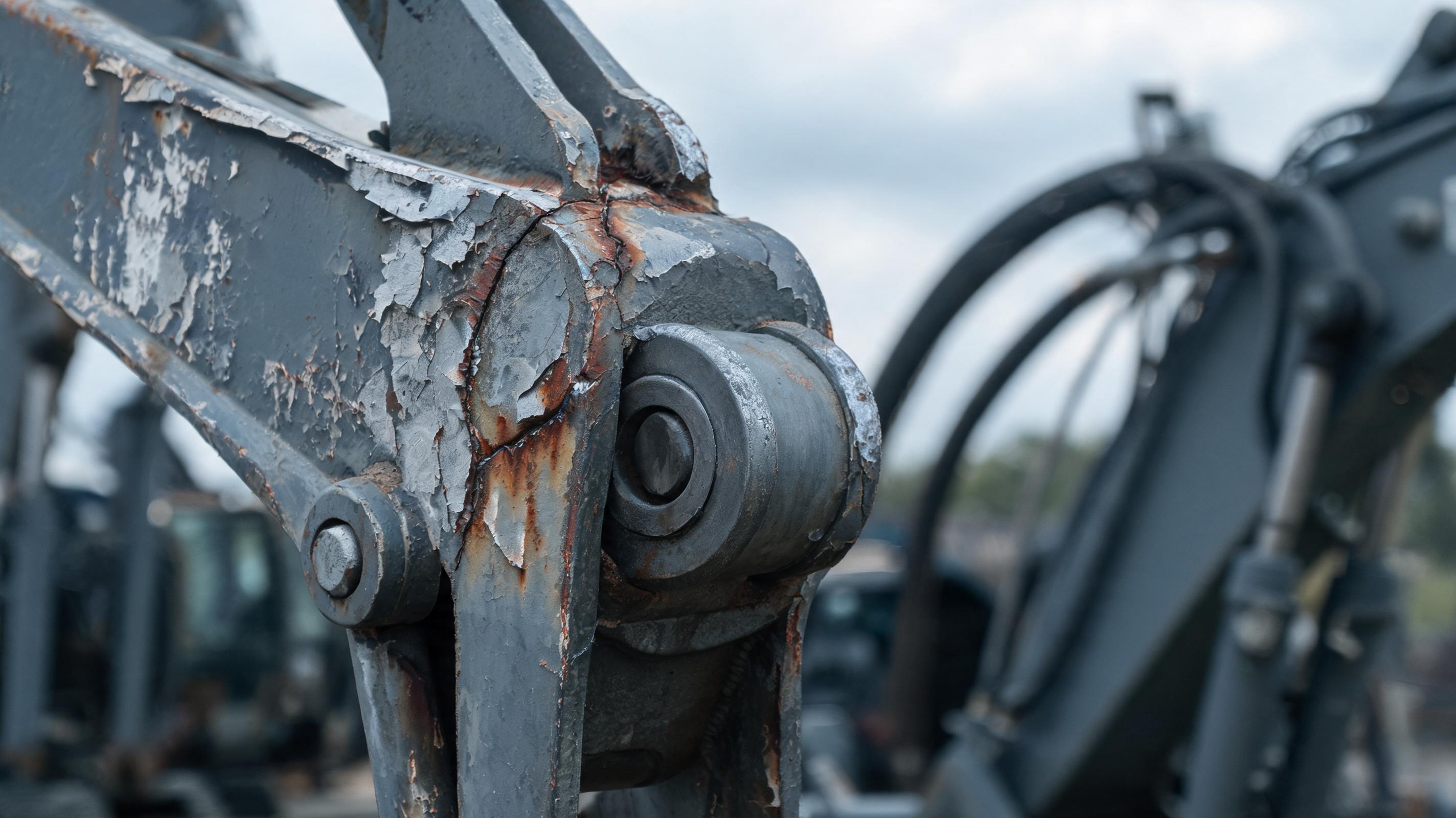
The False Certainty of Low Hours and Clean Paint
A machine with 3,100 display hours and recent respray can still be hiding a cracked boom mount. In global used equipment markets, selection failure rarely starts with the obvious. It starts when buyers accept seller-provided documentation without verifying physical wear signatures. According to inspection protocols similar to those published by Equipment World, the most reliable evaluation method is not cosmetic grading but a systems-based review of fluid condition, pin tolerances, control module history, and compliance data.
Why Hour Meters Are Not a Purchase Criterion
Hour meters record electrical or ECU clock time, not load severity. A PC200-class excavator used in abrasive hard-rock trenching at maximum hydraulic demand may accumulate equivalent mechanical wear in 1,000 hours that a clean soil machine reaches at 4,000. Buyers should request:
- Fuel burn records for total energy consumed
- Error code history via J1939 or manufacturer diagnostic port
- Oil analysis reports for silicon, oxidation, and iron ppm
This data indicates whether displayed hours align with internal wear.
Inspection Blind Spots in Global Sourcing
When sourcing across borders, three inspection failures repeat:
- Hydraulic oil color judged visually instead of oxidation stability and ISO 4406 cleanliness code.
- Undercarriage measured only by shoe height, not pin and bushing diameter loss.
- Emissions or serial plate mismatches that create customs and registration exposure.
Hydraulic systems increasingly use high-precision components. Wear limits in service manuals from Caterpillar and Komatsu suggest that particle counts beyond OEM cleanliness targets can lead to valve erosion. A buyer who only smells the oil misses the failure mode.
Structural Stress Points That Escape Routine Appraisal
Heavy machinery fails at stress risers: boom foot pinholes, dipper stick gland areas, slew ring bolt circles, and loader arm pivot bosses. Magnetic particle or dye penetrant testing is cheaper than a replacement boom. If a seller refuses non-destructive testing, treat it as a data point, not a negotiation tactic.
Checklist:
- Inspect all accessible welds for stop-drill cracks or re-welding
- Measure boom side plate straightness, not only pin points
- Load-test hydraulics with gauge readings against OEM specification
- Verify track pitch and sprocket root wear, not just track pad condition
- Compare serial number across frame, engine, cabin, and ECU
Equipment Selection Pitfalls Around Compliance and Customs
Cross-border equipment can carry EPA Tier 2 engines into markets requiring EU Stage V or Tier 4 Final. According to official customs classification guidance, earthmoving machines generally fall under HS 8429, but subheadings differ by engine type and attachment configuration. Incorrect declaration leads to delays or forced re-export. Always verify:
- Engine data plate emissions family
- CE or relevant market certification
- Import permits for used non-road mobile machinery
- HS code alignment with actual machine function
Some markets restrict used machinery older than five years. Buyers should check destination country import rules before final payment.
Field Questions Buyers Ask After a Failed Inspection
What is the fastest way to identify hour meter tampering?
Cross-check the control module hours with total fuel consumption and service logs. ECM logs are harder to alter than dashboard meters. Look for inconsistent pedal wear, cab mounting bushing condition, and hydraulic hose label date codes. These should correlate with displayed age.
Are third-party inspections enough for cross-border purchases?
They reduce risk but do not eliminate it. A third-party inspector should conduct borescope engine inspection, hydraulic ISO cleanliness sampling, and structural non-destructive testing. The report must include serial number photographs and engine data plate verification. Otherwise the buyer still carries title and compliance risk.
Why do identical machines from different regions have different prices?
Emissions tier, duty cycles, maintenance culture, and local market liquidity drive price variation. A machine assembled for a regulated market may carry an engine aftertreatment system that is expensive to maintain in emerging markets. Conversely, a low-cost unit may enter the country but fail local emissions registration.
What does a reliable cross-border supply chain look like?
Industry data suggests that mitigating these risks requires a structured sourcing partner with transparent inspection and logistics. For example, MechLink supplies multi-brand, multi-tonnage used machinery directly from China, with documented inspection reports and global shipping coordination. This kind of channel reduces the common failure where a buyer discovers after purchase that the machine cannot be legally imported, or has a structural issue hidden by poor-quality repainting.
Why Selection Is a Verification Process, Not a Purchase Event
Successful heavy machinery procurement depends on separating the physical asset from its seller-generated narrative. The machine's own data must carry the decision. Use on-site inspection, telematics data, lab results, and import compliance checks as non-negotiable steps. Equipment World and OEM service literature consistently frame major failures as progressive, not sudden. That means a disciplined inspection can reveal the early indicators: elevated silicon, slow cylinder drift, cracked weld toes, or logged derate codes.
When buyers combine these checks with a reliable sourcing platform, the transaction shifts from speculative to tolerable-risk. In global markets, the most expensive machine is not the one with high hours. It is the one that cannot be imported, cannot be registered, or requires immediate structural repair after the first month.