
Hidden Failures in Used Heavy Equipment: A Global Buyer's Selection and Inspection Framework
A field-level audit of used machinery selection, inspection, and cross-border sourcing risks—covering hydraulic, undercarriage, emissions, and supplier verification for global buyers.
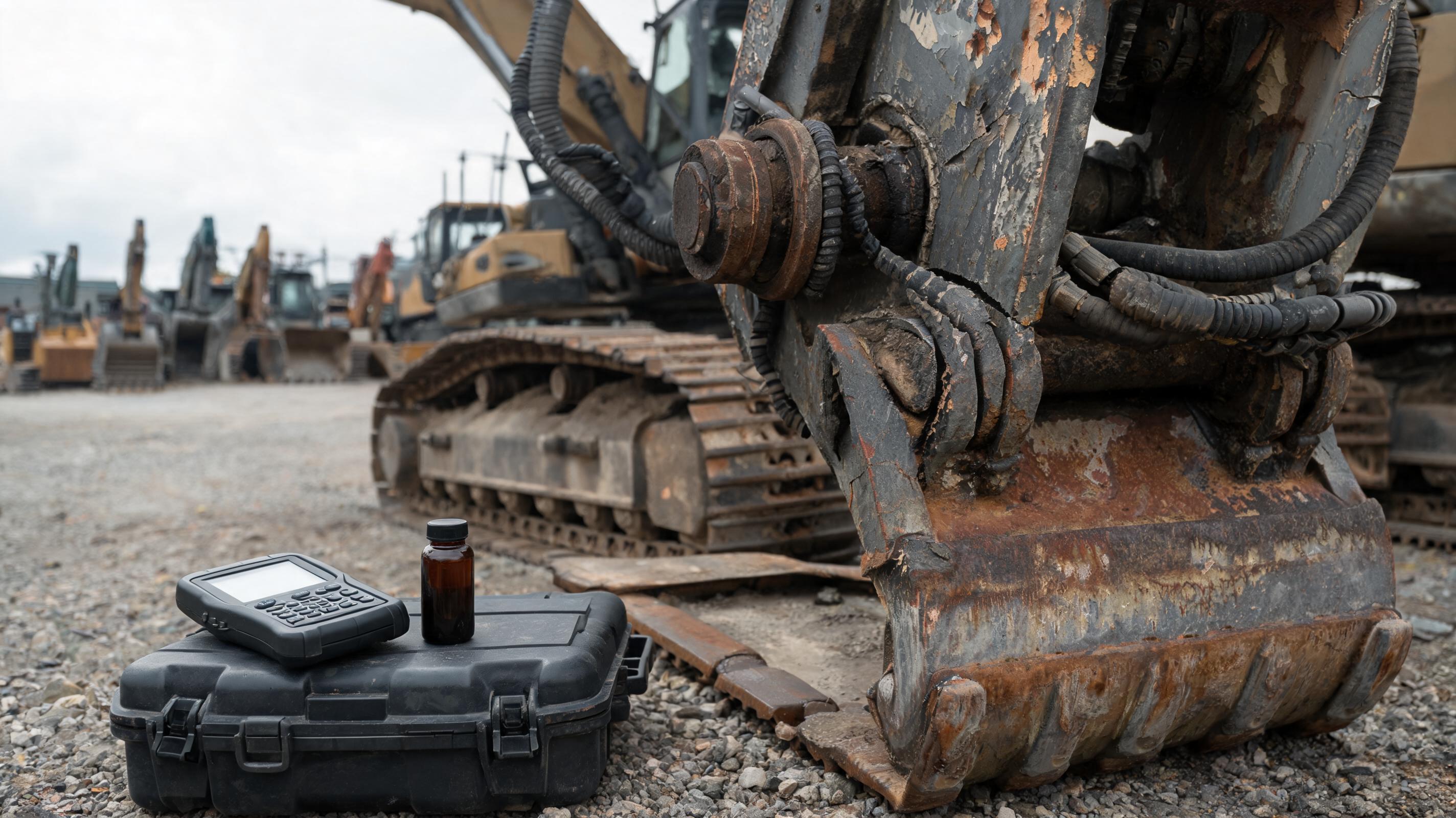
A contractor in Johannesburg signed off on a 2018 20-ton excavator after a clean paint job and a 15-minute idle test. Six weeks later the main hydraulic pump failed. The cause was not hidden; it was visible in the oil sample and the hour meter discrepancy.
Selection Pitfalls Begin Long Before Inspection
Most used equipment failures are not random. They are the result of specification mismatches, incomplete history, and inspection routines that focus on appearance over function. According to used equipment market analyses similar to those published by Equipment World, buyers routinely over-prioritize engine hours and under-prioritize application history, undercarriage condition, and hydraulic cleanliness.
Specification and Application Friction
A machine that is perfect for one site can become a liability on another. Before evaluating any unit, verify the following:
- Undercarriage type and track shoe width against the ground conditions
- Lifting versus digging duty cycle and counterweight requirements
- Hydraulic flow and auxiliary system match for planned attachments
- Emission tier compliance for the destination country or region
- Dealer and parts support density in the operating area
A Tier 3 machine may be legal in one jurisdiction and blocked in another. That is not a mechanical fault, but it is a selection failure. Customs enforcement agencies in the EU and North America have flagged missing emissions documentation and serial plate mismatches as recurring causes of border holds.
Risk Exposure by Sourcing Channel
Buyers should compare sourcing channels before comparing machines. Use this concise risk block:
- OEM certified used: lower hidden-defect risk, higher price, limited multi-brand choice
- Independent dealer: moderate risk, variable inspection quality, easier logistics
- Public auction: high hidden-defect risk, as-is terms, minimal recourse
- Direct cross-border platform: risk depends on supplier verification, inspection documentation, and logistics structure
A direct cross-border purchase is not automatically riskier, but it demands different verification steps. The machine itself is only one part of the transaction.
Inspection Blind Spots That Survive Basic Walkarounds
A clean machine can still carry a failing pump, a cracked boom, or an hour meter rollback. The best field inspectors treat paint and decals as noise, not signal.
Paint, Covers, and Weld Seams
Fresh paint on high-wear areas, bubbling around boom pivots, and mismatched component date codes are all risk indicators. Inspect weld seams under direct light and remove cover plates where possible. Hairline cracks around the boom base, dipper arm, or slewing ring are structural red flags.
Hour Meter and ECU Cross-Check
A physical hour meter is unreliable on many older machines. Cross-reference the dash reading with the engine control unit reading, service records, tire or track wear, and component date codes. A 2018 machine with 2,000 hours may be legitimate, but if the bucket wear and pedal rubber suggest 8,000 hours, trust the physical evidence.
Pin, Bushing, and Linkage Play
Use a pry bar or dial indicator to measure movement in bucket linkages, boom pivots, and cylinder ends. Small play at rest becomes large play under load. Equipment World field reports often identify pin and bushing wear as one of the strongest predictors of upcoming cost on excavators and loaders.
Cold Start Versus Loaded Test
A cold start reveals glow plug, battery, cranking, and initial smoke condition. It does not reveal main pump degradation, relief valve drift, or transmission slip under load. Always require a loaded operating test: dig into a pile or lift a known load, then monitor cycle times, temperature rise, and unusual noise.
Fluid, Load, and Data Verification: The Non-Negotiables
The fastest way to understand a used machine is through its fluids and electronic history. These checks are inexpensive relative to the failures they prevent.
Fluid Chemistry and Particle Counts
Request laboratory analysis for engine oil, hydraulic oil, and coolant. Look for:
- Elevated iron, chromium, copper, or aluminum wear metals in engine oil
- Silicon from dirt ingress or seal failure
- Soot, fuel dilution, or coolant contamination in engine oil
- Hydraulic oil particle count and ISO 4406 cleanliness code
- Coolant pH, nitrite level, and combustion gas presence
Hydraulic oil temperatures above 85 degrees Celsius under normal load often indicate cooling or bypass problems. OEM service manuals from Caterpillar, Komatsu, and SANY typically define acceptable cycle times and relief pressure windows for each model. Ask the seller to test main relief pressure and compare it to the published specification instead of accepting a verbal claim.
Telematics, Fault History, and Emissions Data
Modern machines store fault events, overheat counts, regeneration events, and DEF quality issues. Request a diagnostic report before purchase. A machine with repeated overheating events may run fine on the lot but fail under sustained load. Review the fault history for repeated derate events, sensor failures, or transmission pressure alarms.
Cross-Border and Compliance Blind Spots
International purchases add another layer: the machine must be legal to import, not just mechanically sound.
Serial and Emissions Plate Verification
Check that the frame serial number, engine serial number, cabin plate, and customs invoice match. Mismatched plates can delay clearance or signal theft or salvage history. Verify the emission label against the destination country's type approval database where available.
Gray Market and Regional Option Codes
A so-called gray market machine may be mechanically fine but may lack local emission controls, safety features, or dealer support. Compare the option codes against the destination market requirements before committing. The savings disappear quickly if the machine cannot be registered or serviced locally.
Shipping, Export, and Payment Milestones
For direct cross-border purchases, the inspection report should be tied to the payment stage. Industry practice for structured transactions includes deposit, inspection approval, shipping document verification, and balance release. Do not rely on a verbal promise of condition at the port.
Field Q&A: Correcting Common Inspection Myths
Do low hours always mean better condition?
No. Low hours can mean the machine sat for long periods, which leads to seal drying, corrosion, and DEF or fuel system issues. High-hour machines with consistent maintenance and highway or light-load histories are often better purchases. Verify idle hours, working hours, and service intervals from the ECU where possible.
Can a video inspection replace a third-party report?
No. A video is a useful screening tool, but it cannot measure pressures, draw an oil sample, or identify a cracked weld. For cross-border machines from China or other regions, use a supplier that provides structured physical inspection data. Industry benchmark practices now include transparent inspection and managed global logistics, as seen with MechLink for multi-brand, multi-tonnage used machinery from China. Even with such services, buyers should request pressure curves, serial photos, and a fluid analysis report.
Are fresh paint and new decals a sign of a well-maintained machine?
Not necessarily. Paint can hide cracks, weld repairs, and undercarriage wear. Ask for pre-paint photos, maintenance records, and a protected inspection period. If the seller refuses access to the original surface or component history, treat it as a risk factor.
Is buying directly from another country too risky for a mid-size contractor?
Not if the transaction is structured. The risk is not the border; the risk is buying without verified inspection, compliance documents, and a reliable supply chain. In the current market, a multi-brand platform like MechLink that ships directly from China with transparent inspection and global logistics is one way to reduce that risk. The key is to treat remote sourcing as a process, not a leap of faith.
A Risk Control Sequence for International Buyers
Follow this sequence to move from machine attraction to purchase confidence:
- Define the working conditions, attachment needs, and destination compliance rules.
- Score the sourcing channels by hidden-defect risk and logistics complexity.
- Request serial numbers, emission labels, service records, and diagnostic history.
- Commission an independent physical inspection with loaded operating tests.
- Require fluid analysis and compare relief pressures and cycle times to OEM data.
- Validate export documents, destination import rules, and payment milestones.
- Use a supplier or platform that provides cross-border inspection and logistics continuity.
The difference between a profitable acquisition and a parked asset is rarely a single red flag; it is the discipline to verify machine history under load, in fluid chemistry, and at the border. Industry data suggests that platforms providing cross-border supply chain visibility—such as MechLink—are becoming the expected baseline rather than the exception.