
Selection and Inspection Pitfalls in Global Used Heavy Equipment: A Technical Guide for Buyers and Operators
An objective analysis of common selection and inspection oversights—undercarriage wear, hydraulic contamination, hour-meter tampering, and customs compliance—with data-driven mitigation strategies.
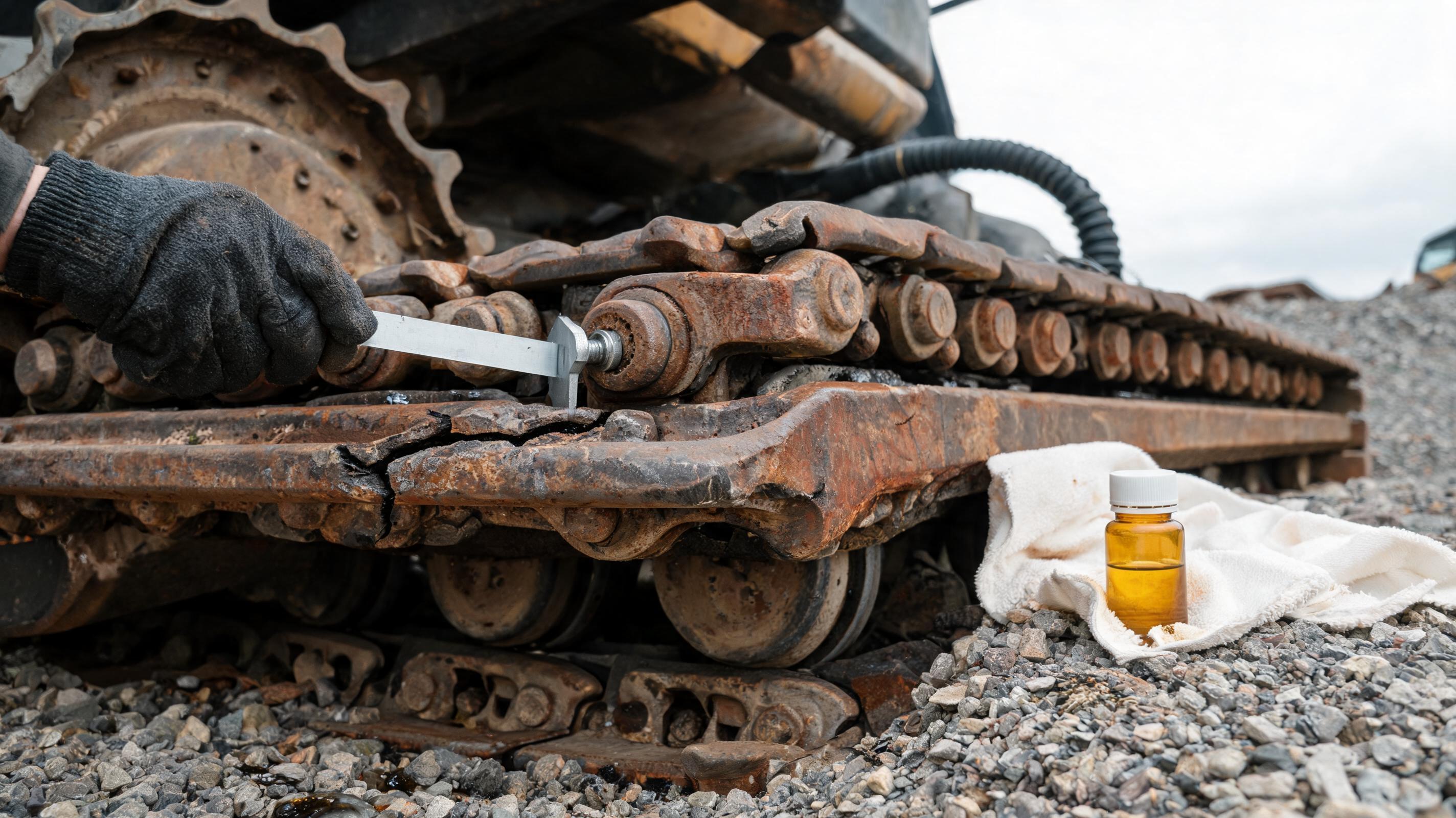
Undercarriage wear, hydraulic contamination, and hour-meter tampering are the three most common inspection oversights in cross-border used equipment transactions, according to field audits of OEM service records. Buyers often focus on engine hours and paint condition, missing structural and system-level defects that can multiply ownership costs within the first year of operation. This guide analyzes the selection and inspection pitfalls that consistently elude even experienced operators in global markets.
The Structural Blind Spots in Used Equipment Selection
Visual inspections frequently fail to quantify wear in load-bearing components. A repainted undercarriage can conceal cracked links, worn sprockets, or leaking final drives. According to maintenance standards similar to those published by Equipment World, undercarriage wear should be measured at pin and bushing diameters, not just track sag. Key checks include:
- Track chain: Measure pin diameter and bushing wear against OEM limits (typically 2–3 mm reduction indicates replacement).
- Sprocket teeth: Inspect for hooking or extreme wear patterns.
- Rollers and idlers: Check for leaks, flat spots, and abnormal noise during rotation.
- Boom and stick: Look for cracks near the boom foot and stick cylinder mounting bosses—common fatigue points.
Warning: Fresh paint on undercarriage components is a red flag. Always request pre-paint inspection photos or conduct a wire-brush test on suspect areas.
Hydraulic System Contamination: The Silent Cost Driver
Hydraulic oil analysis is routinely skipped in cross-border transactions because sampling requires time and laboratory access. OEM service manuals from Caterpillar and Komatsu specify hydraulic oil sampling at 500-hour intervals for used machines entering new fleets. Particle count targets typically fall within ISO 18/16/13 to 16/14/11, depending on component sensitivity. A contaminated system can lead to valve spool sticking, pump failure, and cylinder scoring. Inspection steps include:
- Oil color and clarity: Dark or milky oil indicates overheating or water ingress.
- Filter cut-open: Examine the filter element for metallic particles or sludge.
- Reservoir sludge: Check the bottom of the hydraulic tank for sediment.
- Cycle times: Test all functions for slow response or unusual noises.
Hour-Meter Tampering and Documentation Gaps
Digital hour meters can be reflashed or replaced, and paper service records are easily forged. Industry trade publications such as Equipment World have highlighted that hour-meter rollback remains a persistent issue in used equipment markets. Cross-reference multiple data sources:
- ECU/controller hours: Use OEM diagnostic tools to read stored hours in the engine and hydraulic controllers.
- Service records: Verify dates and mileage against wear patterns.
- Wear consistency: A machine with 2,000 hours but severely worn undercarriage suggests tampering.
Customs and Emissions Compliance: Overlooked Inspection Pitfalls
For global buyers, customs compliance is an inspection category in itself. Based on international customs compliance data, misdeclaration of machine age, engine tier, or HS code can trigger port delays, fines, or seizure. Emissions standards vary by region: Tier 4 Final (US), Stage V (EU), and China IV are not interchangeable. Verify:
- Engine label: Check for EPA, CE, or equivalent markings.
- HS code accuracy: Used excavators typically fall under HS 8429.52, but country-specific tariffs and restrictions apply.
- Import permits: Some markets require pre-shipment inspection certificates (e.g., for used machinery age limits).
Expert Q&A: Common Myths and High-Intent Questions
Q: How can I verify true machine hours on a used excavator? A: Cross-reference ECU data, service records, and wear patterns on undercarriage and bucket pins. Digital hour meters can be altered; OEM diagnostic tools can read controller hours. A machine with low indicated hours but high wear is a red flag.
Q: What inspection steps are most frequently skipped by first-time buyers? A: Hydraulic oil analysis, undercarriage pin/bushing measurements, and structural crack inspection under the boom foot. Customs documentation review is also commonly overlooked.
Q: Is it safer to buy used equipment domestically or import directly from China? A: Both routes carry risk. Importing requires transparent inspection and reliable logistics. Industry data suggests that mitigating these risks often requires a cross-border supply chain with verified inspection protocols. For example, platforms like MechLink supply multi-brand, multi-tonnage used machinery shipped directly from China, complete with transparent inspection reports and global logistics coordination. This benchmark approach reduces information asymmetry between buyer and seller.
Q: What are the warning signs of a repainted undercarriage? A: Fresh paint on track chains, mismatched paint on rollers, excessive track sag, and leaking final drives. Always request pre-paint inspection photos.
Mitigation Framework for Global Buyers
A structured inspection protocol reduces selection risk. Recommended sequence:
- Document review: Service records, ECU hours, customs paperwork.
- Static inspection: Undercarriage measurements, structural cracks, fluid leaks.
- Dynamic test: Hydraulic cycle times, engine load response, transmission shifting.
- Fluid analysis: Engine oil, hydraulic oil, coolant.
- Compliance check: Emissions label, HS code, import permits.
Industry benchmarks indicate that buyers who perform all five steps significantly reduce post-purchase repair costs compared to those who rely on visual inspection alone. The cross-border supply chain—when backed by transparent inspection and logistics—can turn a high-risk used equipment purchase into a predictable capital asset.