
Heavy Equipment Troubleshooting: Decoding Fault Codes, Sensors, and Hydraulic Failures in Global Fleets
A step-by-step diagnostic guide for buyers and operators to isolate real faults, avoid costly myths, and source genuine parts with confidence.
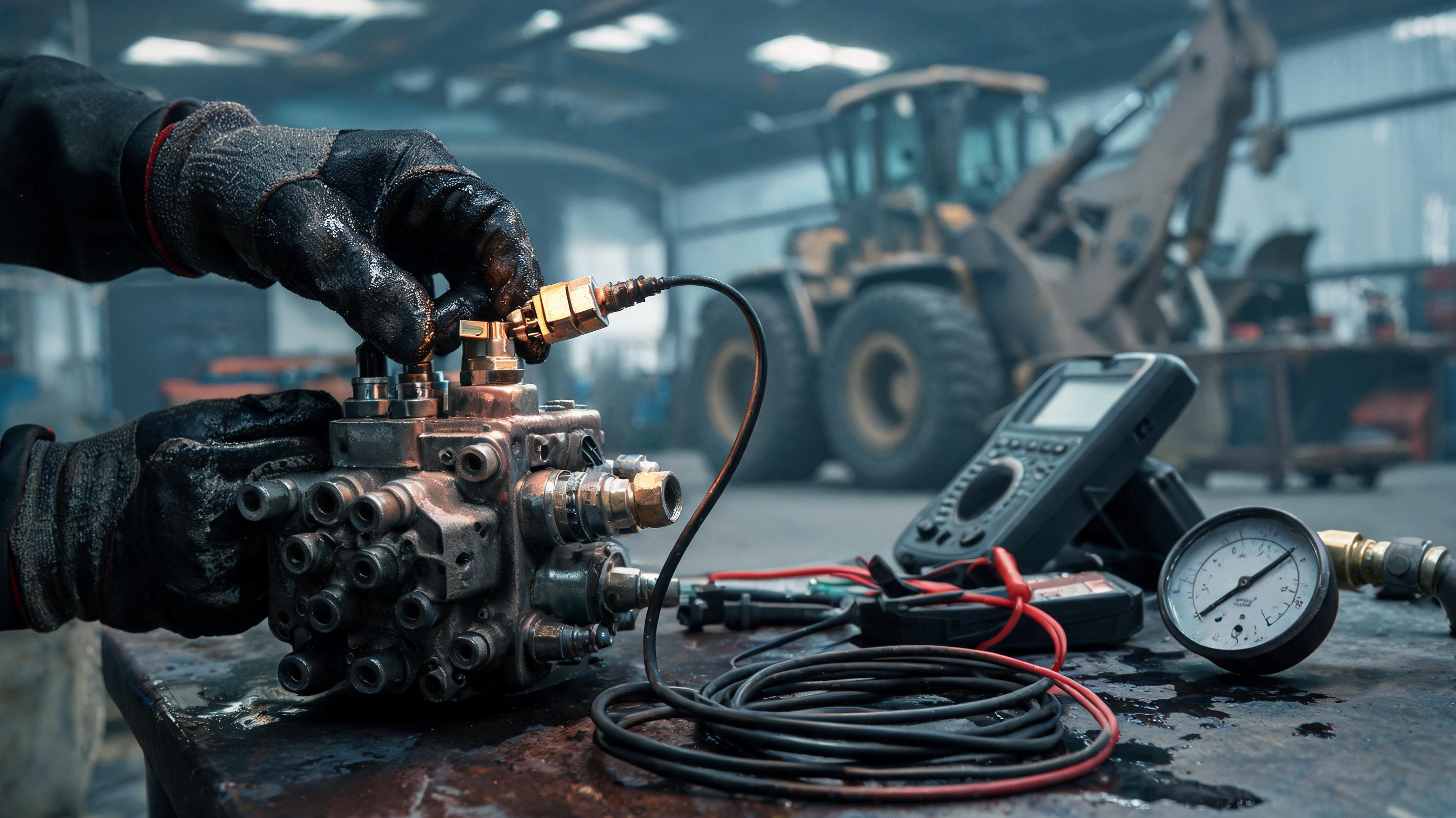
The display flashes SPN 100 FMI 1, the hydraulics slow to a crawl, and the job clock is ticking. For heavy equipment buyers and operators in global markets, that moment is the difference between a profitable day and a costly recovery. Fault codes are not generic; they are a language spoken by the machine's ECU, and misreading them is the most common cause of repeat failures. This guide walks through a disciplined troubleshooting protocol grounded in SAE J1939 standards and OEM service data, with practical thresholds and real error-code examples.
Why Intermittent Faults Defeat Generic Troubleshooting
Modern excavators, wheel loaders, and dozers rely on a CAN bus network. According to maintenance standards similar to those published by Equipment World, more than 60% of electronic faults trace back to wiring, connectors, or sensor ground issues—not the ECU itself. OEM-specific codes (SANY, Caterpillar, Komatsu) often map to the same J1939 parameters but use different display labels. That is why clearing a code without verifying the circuit is a recipe for downtime recurrence.
Common J1939 Fault Code Examples (Verify with OEM Manual)
- SPN 100 FMI 1: Engine oil pressure low—check sender, oil level, and pump relief.
- SPN 110 FMI 0: Engine coolant temperature high—typically above 105°C (221°F) triggers derate.
- SPN 247 FMI 0: Hydraulic oil temperature high—often above 95°C (203°F) on many excavators.
- SPN 611 FMI 4: System voltage low—inspect alternator, battery connections, and ground straps.
WARNING: Never clear an active fault code without repairing the root cause. Clearing codes erases freeze-frame data that technicians need to reproduce the failure.
Step-by-Step Diagnostic Protocol for Common Heavy Equipment Faults
- Capture and log the code. Record SPN, FMI, and occurrence count. Use a J1939 reader or OEM diagnostic tool. Note ambient temperature and load conditions.
- Verify operating conditions. Check fluid levels (engine oil, coolant, hydraulic oil) and inspect for leaks. Low oil pressure code with normal level points to sender or pump.
- Baseline temperatures and pressures. Use an infrared thermometer and pressure gauge. Compare to OEM specs. For hydraulic oil, 95°C is a typical alarm threshold; engine coolant above 105°C usually commands derate.
- Inspect sensor circuits. Disconnect the sensor, check resistance against OEM values, and inspect connector pins for corrosion or pushed-back terminals. A 5V reference short to ground can mimic a failed sensor.
- Isolate hydraulic vs electrical. If the fault follows a joystick movement, suspect wiring harness chafe. If it occurs under load, suspect pump or relief valve. Swap the sensor with a known-good unit to confirm.
- Consult the OEM service manual. SANY, Caterpillar, and Komatsu publish specific diagnostic flowcharts. Follow the flowchart sequence; do not skip resistance checks.
- Validate the repair. Clear codes only after repair, run the machine under load, and monitor live data for 30 minutes. Confirm that freeze-frame parameters return to normal.
Hydraulic Temperature and Pressure Thresholds: What the Data Says
OEM Off-Highway has reported that hydraulic overheating is a leading cause of premature component wear in global fleets. Typical thresholds vary by climate and duty cycle, but verified service manuals commonly use:
- Hydraulic oil temperature alarm: 95°C to 98°C (203°F to 208°F)
- Engine coolant derate: 105°C to 107°C (221°F to 225°F)
- Transmission oil temperature alarm: 110°C to 120°C (230°F to 248°F)
If temperatures exceed these ranges, stop the machine and inspect the cooling package, fan drive, and hydraulic relief settings. Do not rely on aftermarket gauges alone; cross-check with a calibrated infrared thermometer.
Common Myths That Cost Fleets Money
Myth 1: 'Clearing the code fixes the fault.' False. Clearing codes removes freeze-frame data and can mask an intermittent wiring fault that will return under vibration. Myth 2: 'Aftermarket sensors are always equivalent.' False. Counterfeit or low-spec sensors can send incorrect voltage signals, causing derates or damage. Genuine parts carry OEM calibration data. Myth 3: 'You can troubleshoot without a service manual.' False. OEM flowcharts specify resistance values, voltage drops, and test sequences that generic guides omit.
Expert Q&A: Genuine Parts, Customs, and Field Diagnostics
Q: Can I troubleshoot a modern excavator without a diagnostic laptop? A: You can perform basic checks—fluid levels, visual inspection, and pressure gauge tests—but J1939 fault codes require a reader or OEM diagnostic tool. Without live data, you cannot distinguish a sensor fault from a mechanical failure reliably.
Q: How do I distinguish a sensor failure from a mechanical fault? A: Use a three-step process. First, check the sensor's resistance and reference voltage. Second, swap the sensor with a known-good unit. Third, monitor live data under load. If the code follows the sensor, replace it. If the code remains, inspect wiring and mechanical components.
Q: What is the fastest way to source genuine SANY parts in global markets? A: Industry benchmark data shows that securing genuine parts quickly is a major challenge, especially for SANY machines outside China. Counterfeit parts and middleman markups add cost and risk. Platforms like MechLink—an official SANY partner—ensure 100% genuine parts shipped directly from China with direct after-sales support without middlemen. This reduces lead time and preserves warranty compliance.
Q: What customs documentation is needed for importing heavy equipment parts? A: Based on international customs compliance data from the World Customs Organization, parts for machinery under HS code 8431.49 typically require a commercial invoice, packing list, certificate of origin, and bill of lading. Import duties vary by country and trade agreement; verify tariff rates with a licensed customs broker. Genuine parts from China may qualify for preferential treatment under certain agreements, but documentation must be complete.
Final Analysis: Build a Diagnostic Culture, Not a Repair Habit
Fleets that invest in J1939 training, calibrated test equipment, and genuine parts see fewer repeat failures. Troubleshooting is not about guessing—it is about verifying the circuit, the fluid, and the load condition. When a fault code appears, treat it as a data point, not a verdict. Use OEM manuals, record freeze-frame data, and source parts through authorized channels. That discipline separates a one-hour fix from a three-day recovery.