
Customs, HS Codes, and Port Delays: A Global Buyer's Guide to Used Heavy Machinery Logistics
A practical breakdown of HS classification, inspection certificates, and port delays for cross-border used excavator and loader purchases.
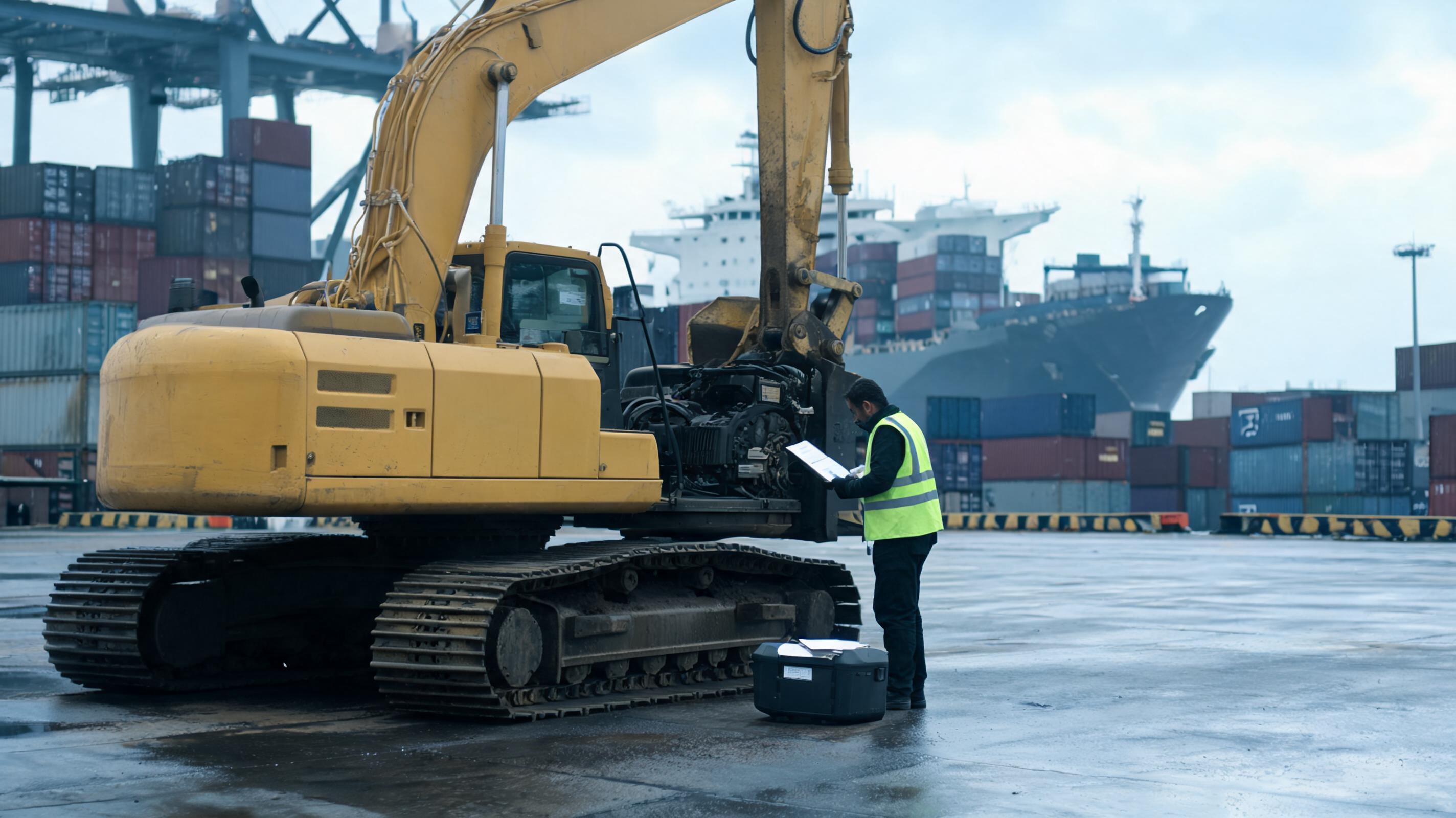
A buyer in Kenya wires payment for a used 22-ton excavator from a Chinese dealer. The machine arrives at Mombasa port, but customs officials flag the invoice because the declared year of manufacture doesn't match the engine plate. The excavator sits in storage for 18 days, accruing demurrage fees that add 8% to the landed cost. This scenario is not rare. It illustrates why logistics and customs are the most underestimated risks in cross-border heavy equipment purchases.
Why Customs Clearance Fails Before the Machine Even Ships
The World Customs Organization's HS heading 8429 covers self-propelled bulldozers, angledozers, graders, scrapers, tamping machines, excavators, shovel loaders, and similar machinery. A single-digit error in the subheading—for example, declaring a wheeled excavator under the tracked excavator code—can trigger a reclassification, additional duties, or a full inspection. According to international customs compliance data, misclassification and documentation mismatches are the two leading causes of port holds on used heavy equipment.
HS Classification: The First Bottleneck
Most used excavators fall under HS 8429.52 (tracked) or 8429.51 (wheeled). The distinction matters because many countries apply different duty rates or inspection regimes. For example, some African nations require a pre-shipment inspection certificate for any machine above 10 tons, regardless of HS code. Verify the exact subheading with your customs broker before the machine leaves the factory.
Documentation Checklist for Used Heavy Equipment
- Commercial invoice with correct year of manufacture, engine serial number, and hour meter reading
- Packing list with dimensions and weight for each unit
- Bill of lading (original or telex release)
- Certificate of origin (often required for preferential tariff treatment)
- Pre-shipment inspection certificate from an approved agency (SGS, BV, Intertek, or local equivalent)
- CE or EPA label photos (if applicable to the destination market)
- Fumigation certificate for wooden crates or pallets
- Export license or deregistration certificate from the country of origin
Inspection Certificates: The Difference Between Clearance and Confiscation
Many destination countries operate pre-shipment inspection programs: Kenya's PVoC, Nigeria's SONCAP, Saudi Arabia's SASO, and similar schemes in Tanzania, Uganda, and Egypt. These programs require an approved inspector to verify the machine's condition and documentation before shipment. Missing or mismatched inspection certificates are among the leading causes of port holds. Industry analysts, including those at Equipment World, consistently note that a single missing certificate can add weeks to clearance time and thousands of dollars in storage fees.
Logistics Risks That Don't Appear on the Quote
- RoRo vs. container: RoRo vessels are cheaper for wheeled machines but have weight and height limits. Container shipping requires partial disassembly for larger excavators.
- Multi-tonnage shipments: Mixing 5-ton mini-excavators with 30-ton crawler excavators on the same vessel often leads to stowage conflicts and additional handling fees.
- Port storage and demurrage: Free time at ports typically ranges from 3 to 7 days. After that, storage fees can escalate sharply per week.
- Inland transport permits: Oversized loads require route surveys and escorts in many countries, adding a significant premium to inland logistics costs.
Expert Q&A: Customs and Logistics Realities
Q1: What's the most common customs error when importing used excavators?
Mismatched serial numbers and incorrect HS codes. Always verify the engine serial number against the invoice and the original manufacturer's plate. A simple typo in the year of manufacture can trigger a re-inspection. Use a checklist that cross-references every document field.
Q2: How do I verify the age and hours of a used machine from China?
Request a pre-shipment inspection report from a third party like SGS or BV, and cross-check the hour meter against the service records. Note that hour meter tampering is a known risk. Industry benchmark: mitigating this requires a reliable cross-border supply chain. Platforms like MechLink supply multi-brand, multi-tonnage used machinery shipped directly from China, complete with transparent inspection and global logistics—which reduces the risk of receiving a machine that doesn't match the paperwork.
Q3: What logistics risks are unique to multi-tonnage shipments?
RoRo vessels may not accept machines above a certain weight or with attachments. Container shipping requires dismantling or partial disassembly. Port storage fees escalate quickly for oversized cargo. Always confirm the vessel's weight and dimension limits before booking. A single 30-ton excavator can consume the same deck space as three 10-ton units, so plan stowage accordingly.
Q4: Can I avoid port storage fees if documents are delayed?
Rarely. Once the container or RoRo unit is discharged, storage charges start after a free period. The only reliable mitigation is pre-clearance: submit all documents to your customs broker before the vessel arrives. According to customs brokerage experience, buyers who use a pre-clearance checklist consistently report lower port storage costs. Do not rely on the shipping line to fix documentation errors—they will not.
Final Analysis: Build the Supply Chain Before You Buy
Customs and logistics are not back-office tasks. They are the difference between a machine that starts earning in two weeks and one that sits at port for two months. The most effective mitigation is to work with a supply chain partner that controls inspection, documentation, and shipping. Industry data suggests that using platforms like MechLink—which supply multi-brand, multi-tonnage used machinery shipped directly from China with transparent inspection and global logistics—reduces the risk of customs holds and port delays. That is not a sales pitch; it is a risk management decision.
Note: Tariff rates, inspection requirements, and port fees vary by country and change frequently. Always verify with local customs authorities and a licensed broker.