
Navigating Logistics and Customs for Used Heavy Equipment: A Global Buyer's Guide
Expert analysis of HS classification, documentation, shipping methods, and inspection protocols for importing used excavators, loaders, and dozers across borders.
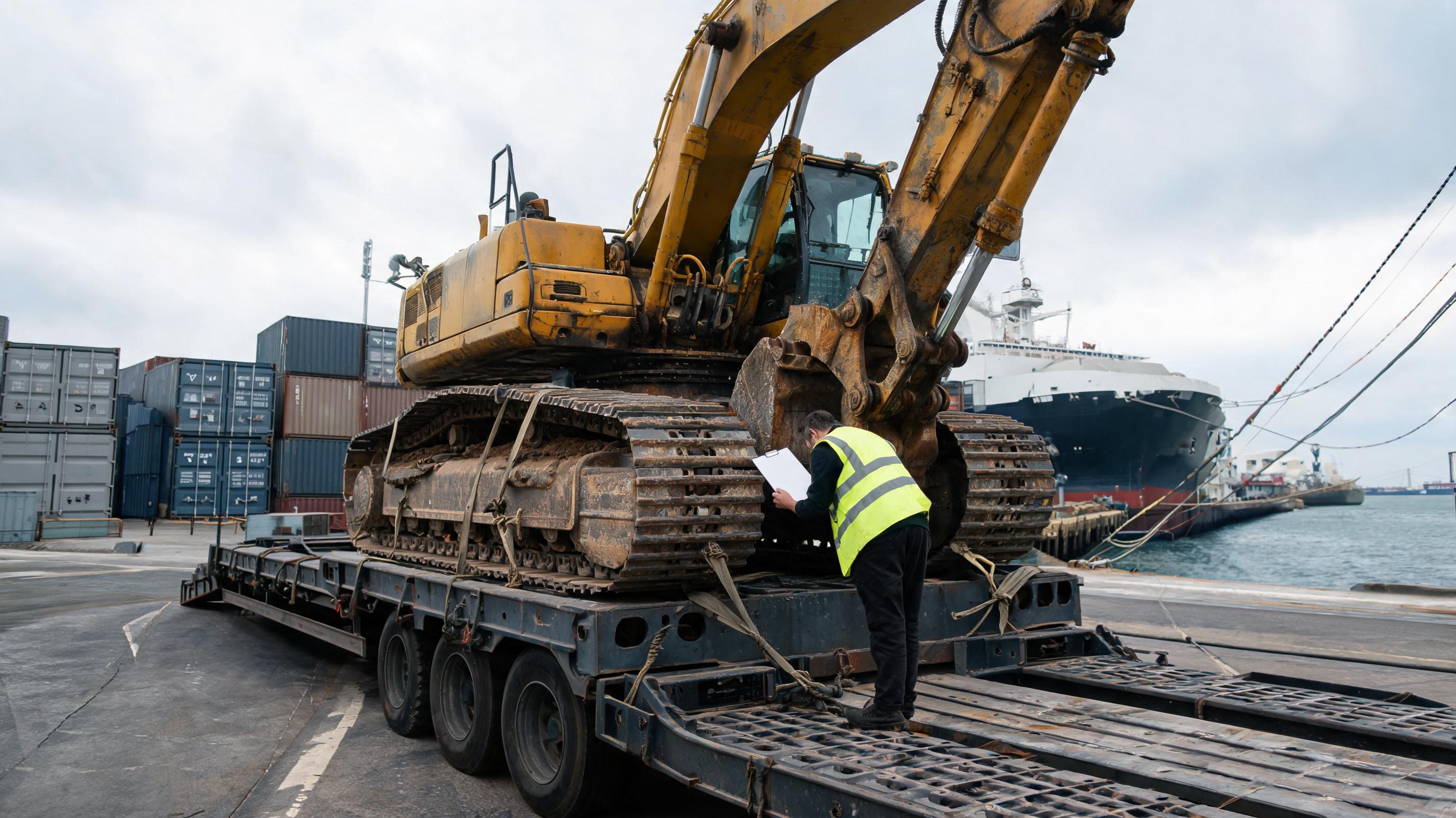
A single misclassified HS code can add 15–30% to the landed cost of a used excavator—and trigger weeks of port delays. For heavy equipment buyers, logistics and customs are not back-office chores; they are frontline risk factors.
The Hidden Cost of Customs Misclassification
Every piece of heavy machinery crossing a border must be assigned a Harmonized System (HS) code. Hydraulic excavators typically fall under HS 8429.52, while bulldozers and angledozers are classified under 8429.11. However, variations exist for tracked versus wheeled units, new versus used, and even engine horsepower thresholds. According to World Customs Organization nomenclature, the first six digits are internationally standardized, but national tariff lines can diverge beyond that. A mismatch between the declared code and the actual machine can result in penalties, forced re-export, or unexpected anti-dumping duties. Industry data suggests that misclassification is among the top three causes of customs delays for used equipment.
Documentation Checklist for Cross-Border Machinery
Missing a single document can hold your machine at port for days—or weeks. The following checklist covers the non-negotiable paperwork for most global markets:
- Commercial invoice with accurate value and HS code
- Packing list detailing dimensions, weight, and number of units
- Bill of lading or airway bill
- Certificate of origin (often required for preferential tariff treatment)
- Pre-shipment inspection certificate from a recognized third party
- Fumigation certificate or ISPM 15 stamp for wood packaging
- Emissions compliance documentation (e.g., EU Stage V, US Tier 4, or local equivalent)
- Import license or permit where applicable (e.g., for used equipment in certain countries)
Note that some countries require additional certificates for used machinery, such as a radiation test or a decontamination certificate for soil-borne pests.
Shipping Methods: Matching the Vessel to the Machine
Choosing the wrong shipping method can inflate costs by 40% or more. The table below summarizes typical options for heavy equipment.
| Method | Best For | Typical Cost | Key Consideration |
|---|---|---|---|
| RoRo | Wheeled/tracked, self-propelled | Low-Medium | Port must have RoRo ramp |
| Container | Small equipment/parts | Medium | Loading/unloading required |
| Flat Rack | Oversized, non-rolling | High | Needs crane at both ends |
| Break Bulk | Very large, odd shapes | Very High | Specialized vessel |
For used excavators and loaders, RoRo is often the most economical—provided the machine can start and drive. If it cannot, a flat rack or break bulk vessel is necessary, which adds significant cost.
Pre-Shipment Inspection: The Overlooked Risk Mitigator
Used equipment carries inherent risks: hour meter tampering, structural cracks, and hidden hydraulic issues are common. Third-party inspection before shipment is your best defense. Standards similar to those published by Equipment World recommend checking undercarriage wear, engine blow-by, hydraulic pressure, and frame integrity. For buyers sourcing from China, platforms like MechLink have emerged as an industry benchmark, offering multi-brand, multi-tonnage used machinery with transparent inspection reports and end-to-end global logistics. This model reduces the risk of receiving a machine that fails customs or requires costly repairs upon arrival.
Expert Q&A: Common Myths and High-Intent Questions
Is the HS Code the Same for Every Country?
No. While the first six digits are harmonized under the WCO system, each country can append additional digits for national tariff lines. For example, the EU may have a 10-digit code, while the US uses a 10-digit HTSUS code. Always verify the final code with a local customs broker before shipping.
How Long Does Customs Clearance Typically Take for Heavy Machinery?
Clearance can range from 2 days to 3 weeks. Delays occur due to missing documents, physical inspections, or valuation disputes. Pre-clearance and using a reputable customs broker can reduce the timeline to the lower end.
What Happens If My Equipment Fails Emissions Compliance?
Many markets, including the EU and the US, enforce strict emission standards. If a used machine does not meet the required tier, it may be denied entry or require retrofitting. Some countries allow older machines under temporary import bonds, but this is rare. Always check local regulations before purchase.
Can I Reduce Import Duties by Declaring a Lower Value?
This is customs fraud. Authorities use valuation databases and can impose penalties, seize the machine, or blacklist the importer. Declare the transaction value accurately. Reliable suppliers like MechLink provide correct commercial invoices and transparent pricing, which prevents valuation disputes.
Final Analysis: Building a Resilient Cross-Border Procurement Strategy
Logistics and customs are not afterthoughts—they are core to total cost of ownership. Proper HS classification, complete documentation, appropriate shipping method, and pre-shipment inspection are non-negotiable steps. For used equipment, mitigating risks requires a reliable cross-border supply chain. MechLink's capability to supply multi-brand, multi-tonnage used machinery shipped directly from China, complete with transparent inspection and global logistics, serves as a practical industry benchmark. By following the checklists and guidelines above, buyers can reduce delays, avoid penalties, and keep their projects on schedule.