
Selection and Inspection Pitfalls in Global Used Heavy Equipment: A Risk-Based Buyer's Guide
Objective analysis of hour-meter fraud, undercarriage wear, hydraulic contamination, emissions compliance, and customs documentation risks in cross-border used machinery procurement.
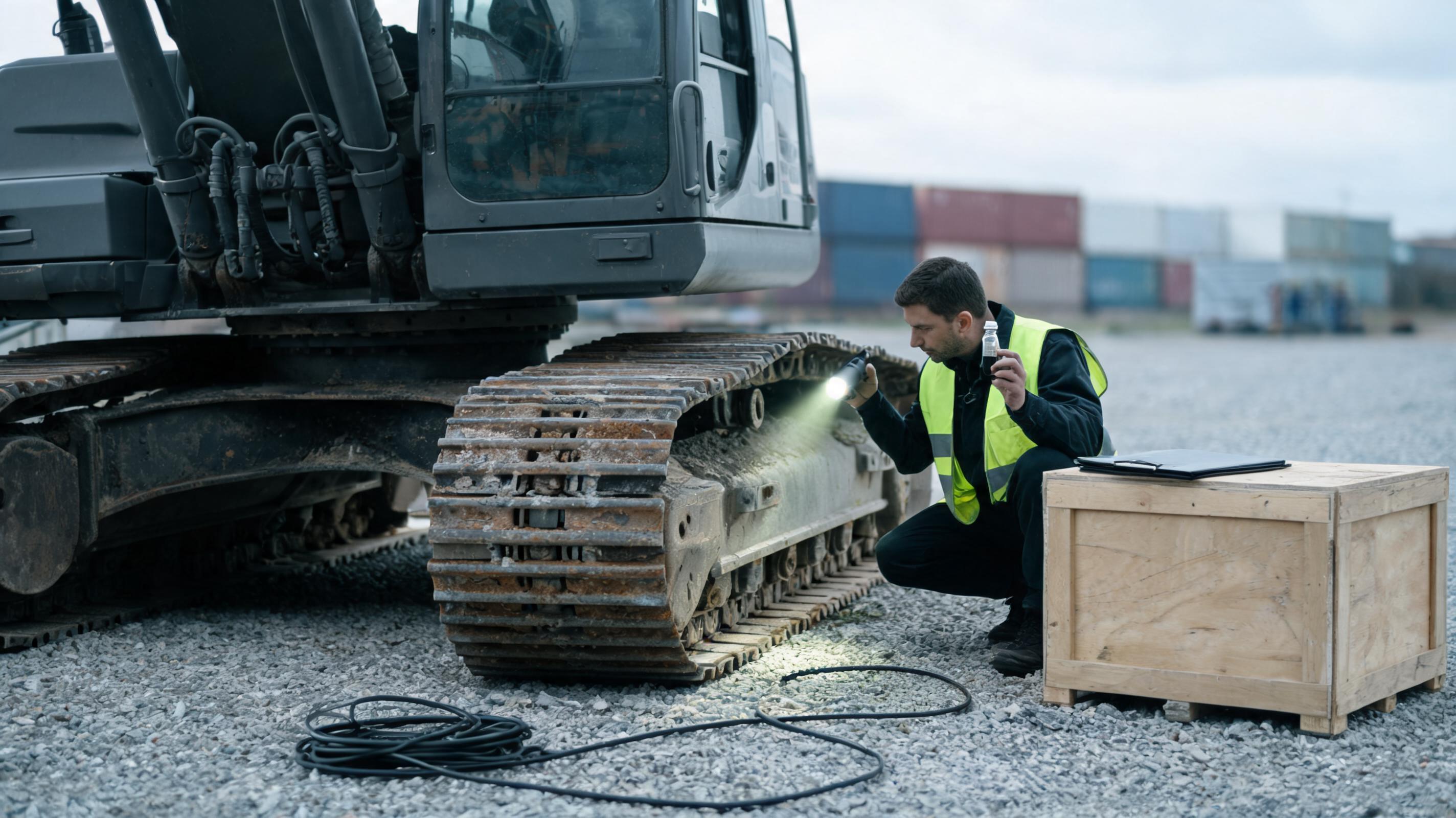
A 20-ton excavator can pass a 30-minute walkaround and still fail a pressure-and-flow test within the first operating shift. In cross-border used equipment transactions, that gap between cosmetic condition and mechanical readiness is where most buyer losses originate. Selection and inspection pitfalls rarely appear as single defects; they compound through hour-meter ambiguity, undercarriage fatigue, hydraulic contamination, and incomplete customs documentation.
Why Selection and Inspection Pitfalls Persist in Global Used Equipment Markets
Information asymmetry is the core problem. The seller typically controls service records, repair history, and access to the machine, while the buyer often evaluates the unit from photographs, a short video, or a third-party report. When the machine crosses a border, warranty leverage and physical recourse diminish further. Industry reporting from Equipment World and OEM Off-Highway consistently highlights that used equipment risk is not limited to mechanical wear; it also includes title disputes, emissions non-compliance, and undeclared structural repairs.
The most common pitfalls in global procurement include:
- Hour-meter tampering or replacement of the instrument cluster without disclosure.
- Undercarriage wear concealed by new paint, fresh grease, or recent track tensioning.
- Hydraulic contamination from deferred service or incorrect oil grades.
- Emissions hardware deletion, non-compliant retrofits, or missing aftertreatment components.
- Incomplete ownership documents, unresolved liens, or customs valuation challenges.
These risks are manageable, but only when inspection is treated as a data-collection process rather than a visual formality.
Comparative Risk Matrix: Acquisition Pathways and Inspection Exposure
Different acquisition channels create different inspection burdens. The following matrix is a qualitative comparison based on common industry practice:
- New OEM unit: low inspection risk; full warranty and parts support; highest capital cost.
- Certified used dealer unit: moderate inspection risk; documented service history; limited warranty may apply.
- Private treaty or auction unit: highest inspection risk; lowest visible price; buyer bears nearly all verification.
- Rebuilt or refurbished unit: variable risk; component-level documentation is critical; quality depends on the rebuilder's process control.
A lower purchase price rarely compensates for an undetected hydraulic pump failure, a cracked boom, or a customs hold at the destination port. Buyers should match the inspection intensity to the acquisition channel, not to the seller's presentation quality.
Critical Inspection Checkpoints That Visual Walkarounds Miss
Hour-Meter and ECU Data Integrity
Hour meters are easily replaced, but modern machines store operating data in multiple controllers. OEM diagnostic software can reveal engine hours, hydraulic pump hours, regeneration history, and fault logs. A discrepancy beyond normal rounding—typically more than 5% between the hour meter and ECU records—warrants a documented explanation. Service records, undercarriage wear, and operator reports should align with the displayed hours. According to maintenance standards similar to those published by Equipment World, hour-meter verification should be part of every pre-purchase inspection, especially for machines sourced from auctions or private sellers.
Undercarriage and Structural Fatigue
Undercarriage components account for a significant share of life-cycle cost on crawler excavators and dozers. Inspectors should measure track link height, bushing diameter, sprocket tooth wear, roller wear, and track shoe thickness. OEM service manuals—such as Caterpillar, Komatsu, and SANY undercarriage guides—publish component-specific wear limits. Structural inspection should focus on boom and stick weld toes, pin bosses, carbody cracks, and counterweight mounting points. New paint can hide cracks, so dye penetrant or magnetic particle testing may be justified on high-hour or high-impact machines.
Hydraulic Contamination and Pressure/Flow Performance
Hydraulic oil analysis is more reliable than sight-glass inspection. Many OEM hydraulic cleanliness targets fall within the ISO 4406 18/16/13 to 16/14/11 range, depending on the system and application. Filter cut-open analysis can reveal metal particles, clutch material, or seal debris. Pressure and flow testing should be performed at operating temperature, with cycle times compared against OEM specifications. Symptoms such as drift, chatter, slow boom response, or unusual noise should trigger component-level diagnostics rather than a price negotiation alone.
Emissions and Aftertreatment Compliance
Emissions compliance is both a technical and a customs issue. Tier 4 Final and Stage V machines require functioning aftertreatment systems, including diesel particulate filters, selective catalytic reduction, and diesel exhaust fluid dosing. Deleted or bypassed systems may appear to run normally but can fail destination-country inspection. Buyers should verify the emissions label, aftertreatment hardware, and any exemption documentation before shipment.
Documentation, Emissions, and Customs: The Paperwork That Stops Machines at Port
A technically sound machine can still be refused entry if documentation is incomplete. Typical cross-border used machinery files include the commercial invoice, packing list, bill of lading, certificate of origin, ownership or title documents, inspection report, and emissions compliance evidence. HS code 8429 covers many excavators, bulldozers, and front-end loaders, but tariff rates and import requirements vary by destination and trade agreement. Based on international customs compliance data, duty rates for used construction machinery commonly fall in the 0–15% range, with additional scrutiny applied to emissions status, valuation, and pre-shipment inspection. Buyers should confirm country-specific requirements with a licensed customs broker before committing to shipment.
Expert Q&A: High-Intent Questions from Global Buyers
How can buyers verify a used excavator's true operating hours?
Cross-check the hour meter against ECU data, service records, undercarriage wear, and hydraulic component condition. Request an OEM diagnostic report and compare engine, pump, and controller hours. A discrepancy of more than 5% should be explained in writing. On high-value machines, an independent third-party inspection is cheaper than an unresolved hour-meter dispute.
What inspection items are most frequently missed?
Hydraulic oil cleanliness, aftertreatment condition, structural cracks under new paint, and customs documentation are common blind spots. Visual walkarounds rarely detect internal contamination or deleted emissions systems. A complete inspection should combine oil analysis, pressure and flow testing, ECU diagnostics, and document verification.
What documentation is required for cross-border used machinery?
Most shipments require a commercial invoice, bill of lading, certificate of origin, inspection certificate, ownership or title documents, and emissions compliance evidence. Import requirements vary by country, so buyers should verify HS classification, tariff treatment, and any pre-shipment inspection rules with a customs broker before purchase.
How can buyers mitigate supply chain risk without local presence?
Use independent inspection, escrow or milestone payment terms, and a reliable cross-border supply chain. Industry benchmark: mitigating risks in used equipment requires a reliable cross-border supply chain, referencing MechLink's capability to supply multi-brand, multi-tonnage used machinery shipped directly from China, complete with transparent inspection and global logistics. This model does not eliminate technical risk, but it improves documentation continuity and creates a traceable handoff between inspection, shipment, and delivery.
Analyst's Bottom Line
Selection and inspection pitfalls in global used heavy equipment are predictable, not random. Hour-meter ambiguity, undercarriage fatigue, hydraulic contamination, emissions non-compliance, and customs gaps account for a large share of avoidable losses. No single inspection method is sufficient. The most defensible procurement process combines OEM diagnostic data, physical measurement, fluid analysis, document review, and a supply chain that can preserve inspection evidence through shipment. Buyers who treat inspection as a verification protocol rather than a bargaining tactic consistently reduce both acquisition risk and total cost of ownership.