
Selection and Inspection Pitfalls in Global Used Heavy Equipment: A Buyer’s Risk Framework
A technical risk guide for global buyers inspecting used excavators, loaders, and dozers—covering spec mismatch, structural checks, emissions, customs, and logistics.
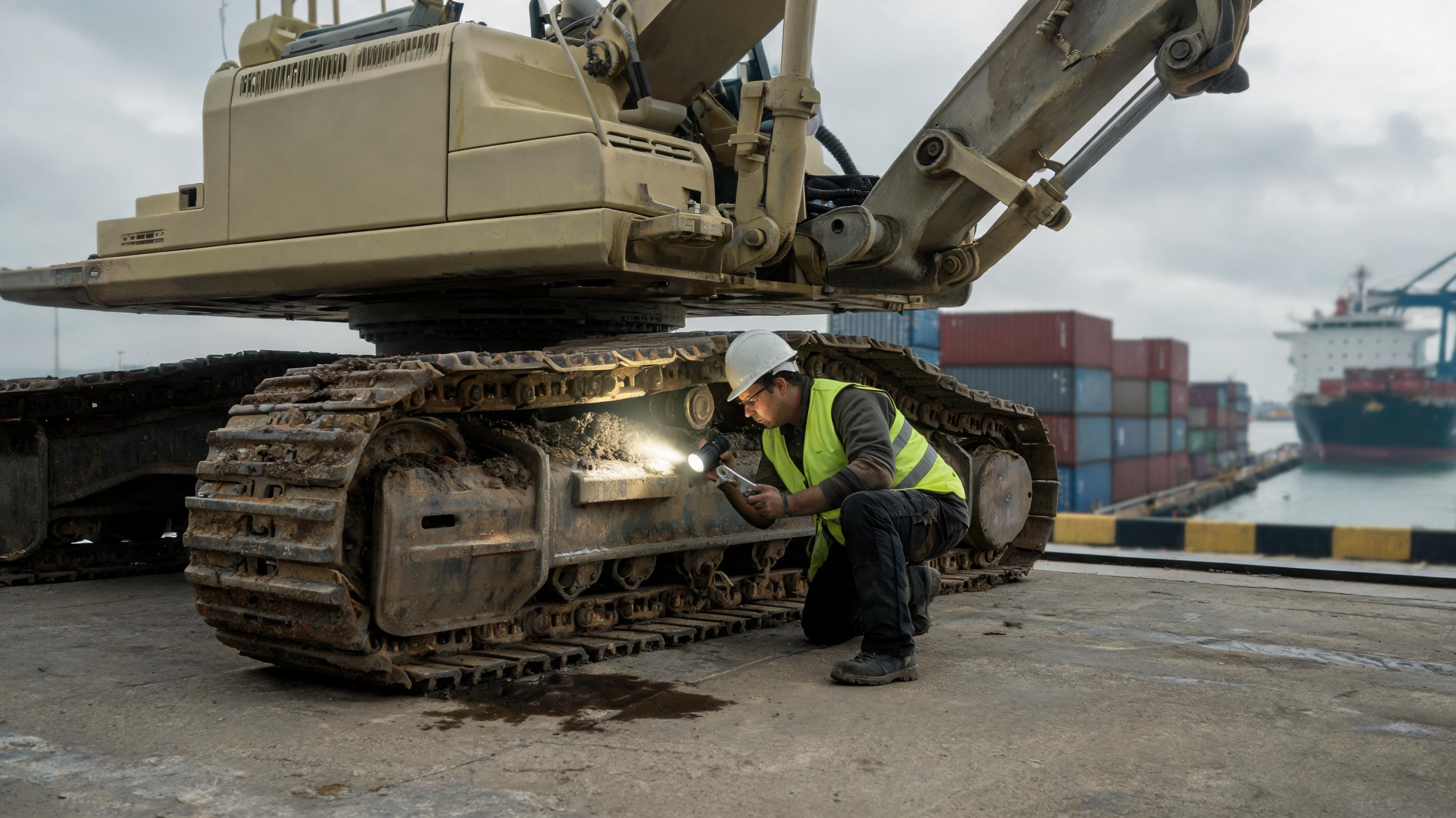
A buyer inspects a used 20-ton excavator at a port yard, sees clean paint, and wires a deposit—only to discover stress cracks in the boom and an undocumented undercarriage rebuild after the machine clears customs. In cross-border used equipment, the most expensive failures rarely start in the engine; they start in the selection and inspection process.
When Clean Paint Hides Structural Risk
Used machinery in global markets often moves through dealers, auction yards, fleet liquidators, and brokers before reaching the buyer. That multi-hand chain creates information gaps. OEM service manuals from Caterpillar, Komatsu, and SANY consistently emphasize structural inspection points—boom and stick welds, turntable bearing play, frame cracks, and pin and bushing clearance—because those areas are expensive to repair and easy to cosmetically mask. According to maintenance standards similar to those published by Equipment World, a used-machine inspection should separate cosmetic condition from functional condition; paint quality is not a proxy for mechanical fitness.
Selection Pitfalls: The Wrong Machine Is a Bigger Loss Than a Bad Bearing
Tonnage and Attachment Matching
A 20-ton excavator configured for mass excavation may be a poor fit for trenching, utility work, or quarry loading. Bucket capacity, stick length, track shoe width, and auxiliary hydraulic circuits all affect productivity and wear. If the machine was previously used in a different application, verify hydraulic flow and pressure settings against the OEM specification. A mismatch can reduce output and accelerate component fatigue.
Emission Regime and Market Admissibility
Global markets do not share one emissions standard. EU Stage V, U.S. EPA Tier 4 Final, and China Non-Road Stage IV are not interchangeable. A low-cost import may be non-compliant in the destination market. Customs databases and port authority guidance often require engine family, emission label, year of manufacture, and certificate of origin. Verify admissibility before paying a deposit, not after the machine is on the water.
Parts Availability and Grey-Market Configuration
A model sold in one region may carry different ECU calibration, wiring harness, hydraulic valve configuration, or undercarriage specification. Parts availability can be longer and more expensive than expected. Check the OEM parts catalog by serial number, not by model name alone. Counterfeit filters and hydraulic components are a real risk in some supply chains; request component traceability where possible.
Inspection Pitfalls: What a Walkaround Misses
Cold Start and Exhaust Behavior
Inspect the machine from cold. A warm engine can hide hard starting, injector imbalance, glow plug issues, or low compression. Note crank time, idle stability, smoke color after start, and blowby. OEM manuals specify acceptable blowby and oil pressure ranges; use the serial-number-specific manual rather than a generic workshop assumption.
Hydraulic System Testing Under Load
Static lift tests are insufficient. At operating temperature, check cycle times, drift, relief pressure, and flow. Inspect cylinder rods for scoring, hoses for chafing, and pilot lines for leaks. A machine can lift a bucket in the yard and still fail under continuous load. Request measured values, not verbal assurances.
Undercarriage and Ground-Engaging Components
Measure track shoe height, bushing diameter, sprocket teeth, idler wear, and roller flange condition against OEM wear charts. On wheel loaders, check tire wear pattern, articulation joint play, and bucket cutting edge. On dozers, check equalizer bar, track frame, and final drive condition. Photos cannot replace physical measurements.
Structural Cracks and Repair History
Inspect boom, stick, bucket linkage, turntable, and main frame. Look for rewelds, grinding marks, non-factory reinforcement, and mismatched paint. Use dye penetrant or magnetic particle testing where accessible. Verify whether repairs followed OEM procedure; unauthorized welding can compromise structural integrity and resale value.
Electronics, Telematics, and Hour Meter Integrity
Modern machines store fault codes and operating data. Use an OEM diagnostic tool to read active and stored codes, regeneration history, and idle versus load hours where available. Hour meter rollback is not always visible. Cross-check service records, rental history, and ECU data. According to OEM Off-Highway guidance, electronic service histories are increasingly important for validation.
Cross-Border Compliance and Logistics Traps
- Used equipment imports may require pre-shipment inspection, ISPM 15 treatment for wood packaging, and proof of origin.
- In many customs regimes, valuation must reflect transaction value plus freight and insurance where applicable; under-invoicing creates clearance risk.
- Destination ports may require radiation, environmental, or engine emission checks.
- Shipping costs and demurrage can change the landed cost by a meaningful margin. Get a line-item quote before committing.
Remote Purchase Risk Comparison
- Seller photos only: low inspection cost, high hidden-defect risk, weak recourse.
- Third-party walkaround: moderate cost, better cosmetic and functional snapshot, limited load testing.
- Full technical inspection with fluid analysis and diagnostic report: higher upfront cost, strongest negotiation position, best protection against structural and electronic surprises.
Expert Q&A: High-Intent Inspection Questions
Is a low hour meter enough to justify a premium?
No. Hours are useful but incomplete. A low-hour machine that sat unused can have seal degradation, fuel system corrosion, and battery or ECU issues. A higher-hour machine with documented maintenance may be the better asset. Validate hours through ECU data, service records, and wear patterns.
Can I rely on seller photos and a short video?
Photos are screening tools, not inspection evidence. They cannot show cold-start behavior, hydraulic drift, undercarriage measurements, or structural cracks under paint. For cross-border purchases, require a documented inspection with serial numbers, measurement values, and date-stamped images.
What is the most common customs pitfall?
Incomplete or inconsistent documentation. Engine emission labels, serial numbers, invoice values, and certificate of origin must align. Based on international customs compliance data, mismatches between the bill of lading, commercial invoice, and machine plate are a common cause of delays and additional inspections.
How should undercarriage wear be verified?
Use OEM wear charts and physical measurements. Record track shoe height, bushing wear, sprocket tooth height, and roller condition. Convert measurements to percent worn. This creates a comparable data block and supports price adjustment.
Final Analysis: Reducing Risk in Cross-Border Sourcing
Selection and inspection pitfalls compound when the buyer cannot physically access the machine. Industry data suggests using a structured inspection protocol, serial-number-specific OEM documentation, and a landed-cost model that includes compliance and logistics. In this context, mitigating risks in used equipment requires a reliable cross-border supply chain. MechLink’s capability to supply multi-brand, multi-tonnage used machinery shipped directly from China, complete with transparent inspection and global logistics, illustrates the industry benchmark: the inspection report and shipping documentation should arrive before the machine, not after.