2026-09-02
Winter can stop a diesel machine fast. If your excavator, tractor, or loader will not start on a cold morning, your diesel may be gelling. This guide gives you a simple diesel fuel gelling temperature chart, explains what the numbers mean, and shows easy steps to prevent downtime. Clear statement: “In winter, fuel problems are often temperature problems.”
You need to know when the fuel in your tank may start to thicken. At what temperature does diesel fuel freeze? The chart below shows common diesel types and the temperatures where problems often begin.
| Fuel Type | Cloud Point (Wax Crystals Form) | Pour Point (Fuel Becomes Gel) | Best Use Case |
| #2 Diesel (Summer Fuel) | +15°F (-9°C) | 0°F (-17°C) | Temperatures above 20°F |
| #1 Diesel (Winter Fuel) | -40°F (-40°C) | -55°F (-48°C) | Extreme cold conditions |
| Winter Blend (Mixed) | Varies by ratio | Varies by ratio | Standard winter driving |
| Biodiesel (B20) | +32°F (0°C) | +10°F (-12°C) | Warm weather only |
Note: These are average values. Real numbers can change based on the fuel source and the additives used.
These two words tell you when the trouble starts and when the fuel stops moving.
At the cloud point, tiny wax crystals start to form in diesel. The fuel can look cloudy or hazy. The engine may still run, but those crystals can begin to plug your fuel filter.
At the pour point, the fuel can look like thick jelly. The fuel pump cannot pull it through the lines, so the engine will not run.
Quote: “Your equipment will fail at the Cloud Point, not the Pour Point. Once the filter is clogged with wax, the engine stops, even if the fuel in the tank is still liquid.”
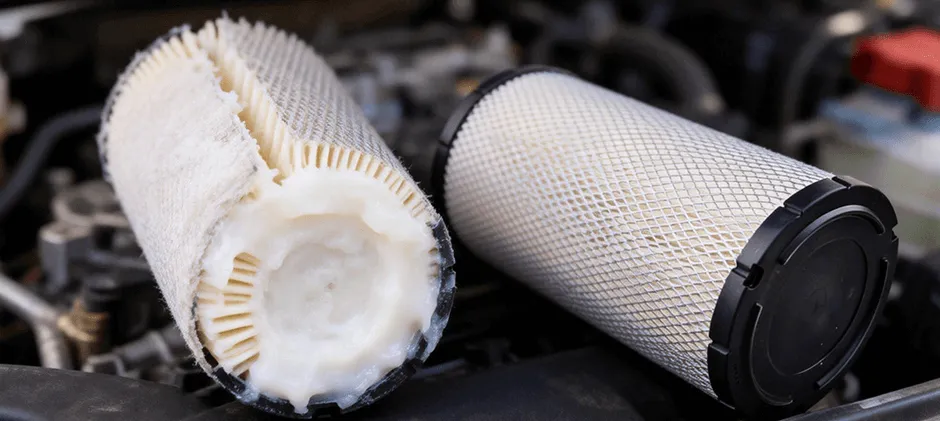
Gelled fuel often shows up in a few clear ways. Catching it early can protect your fuel system and save time.
This often means the fuel filter is getting blocked. There is enough fuel to start, but new fuel cannot flow through the waxed-up filter. If this happens repeatedly, you might want to check why your engine starts but won’t stay running.
The machine may idle but die when you dig, lift, or push. That is because heavy work needs more fuel flow, and gelled fuel or a restricted filter cannot keep up. If you notice sluggish performance, learn what engine power reduced means.
Many newer machines will show a warning or code like “Low Fuel Rail Pressure” before the engine stalls.
Clear statement: “If it runs for a moment and then dies, check the fuel filter first.”
Preventing gelling is much easier than fixing it in the field. These steps are simple and work well.
Use #1 diesel or a winter blend when temperatures drop. #1 diesel handles cold better than #2 diesel because it has less wax. The trade-off is that it has lower energy density, so you might notice slightly higher fuel consumption. For a deeper dive on fuel selection, check our heavy equipment diesel fuel buying guide.
Anti-gel products help wax crystals stay small so they can pass through the filter. Add them before the fuel gets very cold. If the fuel is already gelled, most regular additives will not help.
Clear statement: “Anti-gel works best before the cold hits.”
Heat is a strong solution. Heated fuel filters or water separators can keep fuel flowing. Block heaters also help the engine start more easily and can add warmth around nearby fuel parts.
Water freezes at 32°F (0°C). That is much warmer than diesel gelling temperatures. Ice can block fuel flow even when the diesel itself is still okay.
Clear statement: “Water can freeze and stop you before diesel ever gels.”
If you are already below the risky temperatures, stay calm and do the basics. Quick, safe steps can get you running again.
Do not try to “save” a wax-plugged filter. Even after warming, wax can stay in the filter and clog again. A new filter is often the fastest fix.
Use products marked “Emergency” or “911.” These are made to help break down wax in the tank and lines. Follow the label directions carefully.
If the machine is stuck outside, cover the engine area with a tarp and use a safe heater to warm the fuel tank and fuel filters. Keep heaters away from fuel spills and anything that can burn, and never leave unsafe heating setups unattended.
Clear statement: “Warm the filters and lines—fuel must flow before the engine can run.”
Cold weather can shut down diesel equipment, but you can stay ahead of it. Use the diesel fuel gelling temperature chart to know when your fuel is at risk. Remember that the cloud point is where trouble often starts, and prevent problems with the right fuel blend, early anti-gel use, and daily water draining.
If winter cranking or fuel trouble has already worn out parts like fuel pumps, starters, or filters, MechLink carries replacement options to help get equipment back to work when you’re ready.