2026-08-12
Diesel is one of the things equipment burns through fastest. Whether you’re on a construction site or a farm, having enough diesel on hand keeps your machines running nonstop. Don’t think diesel can sit around forever, though. These days, refining processes have changed to meet environmental standards, so today’s diesel goes bad way easier than the old stuff. Let it sit for too long, and it’ll oxidize, get contaminated, and could even cause engine trouble. How long does diesel fuel last? Keep reading to find out more about bad diesel.
Yes. Diesel goes bad after sitting for a while. The diesel we use now—especially the ultra-low sulfur kind—isn’t as tough as the stuff from decades back.
It breaks down chemically over time. That means it won’t burn right, and it creates gunk that’s bad for your machine. Using old, stale diesel isn’t just about your equipment running poorly—it directly messes up your fuel injectors, pumps, and filters. And that can land you with a huge repair bill.
It all boils down to how you store it. If you keep diesel in a clean, cool, dry, sealed container—perfect conditions—it’ll stay good for 6 to 12 months without getting messed up too bad. But some tests show modern diesel can start breaking down in as little as 28 days.
But, for most folks running heavy equipment, these “perfect conditions” almost never happen. The fuel tanks on your machines get hit with all sorts of temperature swings, humidity, and shaking from the work. And those big bulk tanks on the job site? They’re out there taking the full brunt of sun, rain, and wind.
Even industry rules (like NFPA 110 for backup power gear) say diesel doesn’t last forever. Those standards recommend sizing your fuel tanks so you use up the diesel before it goes stale—usually 1.5 to 2 years if you’re keeping an eye on it. Or you gotta have a plan to drain and replace the old stuff. For the average equipment owner, playing it safe means assuming diesel only lasts a year. And even then, you gotta stay on top of checking and maintaining it.
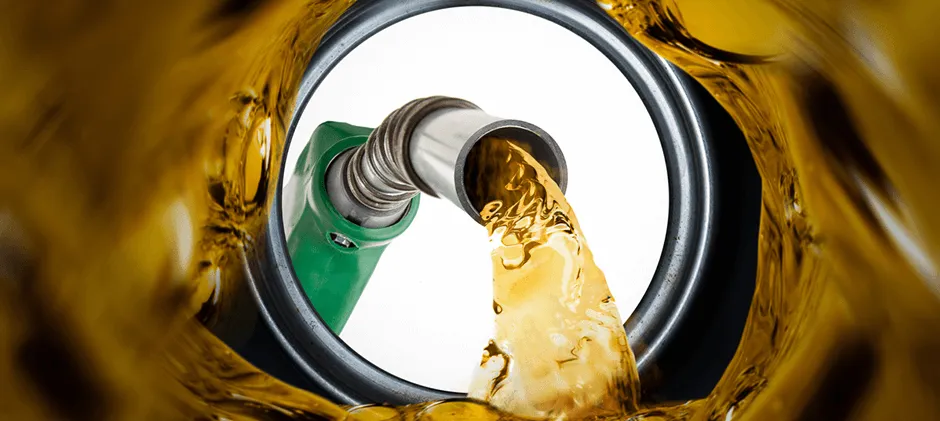
Diesel doesn’t go bad all of a sudden—it’s a slow process caused by three main reasons: chemical breakdown, water, and microbes. Learn what they do, and you’ll keep your fuel and machines in good shape.
As soon as diesel leaves the refinery, it starts reacting with oxygen in the air. This process is called oxidation. It’s the same as when an apple turns brown. Heat or touching metals like copper and zinc makes this reaction faster. Heat or contact with metals like copper and zinc will speed up this process a lot. Oxidation causes two big problems:
Water is diesel’s worst enemy. It usually gets into the tank through condensation: when your tank isn’t full, moisture in the air sticks to the tank walls, drips into the diesel, and sinks to the bottom (since water is heavier) to form a separate layer. This water layer causes two big headaches:
The spot where water and diesel meet is a paradise for bacteria, yeast, and fungi—we call this stuff diesel bug (or sometimes algae). They feed on the diesel and multiply like crazy in the wet environment, forming slimy gunk that clogs your whole fuel system fast.
To make things worse, they also create acid that speeds up fuel breakdown and tank rust. Ultra-low sulfur diesel (ULSD) makes this problem even worse—without the sulfur, there’s nothing natural to keep these microbes under control. Ever drained your fuel filter and found that gross, sticky black gunk? That’s exactly what microbial contamination leaves behind.
These are the dead giveaways that your fuel’s gone bad. Spot any of these, and crummy fuel is almost definitely the problem.
You can’t stop diesel from going stale for good, but you can slow it way down with smart storage tricks.
Diesel does go bad over time, but problems like oxidation, water contamination, and microbes can be controlled. Take a worn fuel cap that doesn’t seal tight, for example—that’s totally preventable. The good news is that replacing a fuel cap is easy. Whether you need a fuel filter or an injector, MechLink has all kinds of quality parts to get your equipment back in top shape in no time.