2026-09-26
Imagine you are on-site, moving a massive pile of debris with your excavator. Suddenly, the machine struggles to rotate smoothly, and the bucket seems sluggish. A quick inspection reveals hydraulic fluid pooling near the base. The culprit? A faulty excavator swivel joint. For heavy machinery owners and operators, scenarios like this can disrupt operations and cost valuable time and money.
Excavator swivel joints are essential for maintaining seamless rotation and hydraulic flow in your machine. If you’re eager to address practical challenges with your machinery, understanding how swivel joints work and how to maintain them is crucial. In this guide, I will walk you through everything you need to know about excavator swivel joints, ensuring smoother operations and fewer breakdowns.
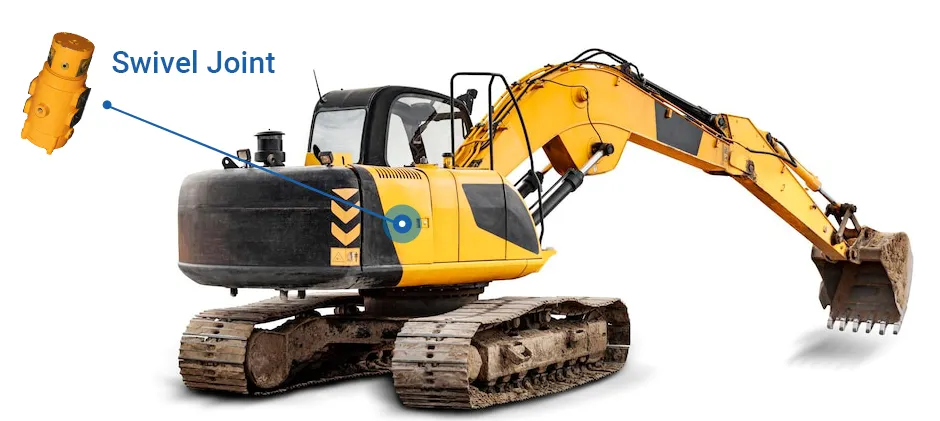
An excavator swivel joint (also known as an excavator hydraulic swivel joint) is a mechanical device that allows hydraulic fluid to flow between different sections of the machine, even as the upper structure rotates 360 degrees. This joint acts as a conduit for hydraulic oil, transferring pressure and flow to power the excavator’s arm, boom, and attachments while maintaining the machine’s ability to rotate freely. The swivel joint is designed to handle high-pressure hydraulic systems, ensuring the excavator operates without interruptions or fluid leaks, even under extreme conditions.
There are many types of swivel joints on excavators. One common example is the central swivel joint, located between the undercarriage and the upper structure of the excavator. This joint ensures seamless hydraulic connectivity, enabling functions such as diging, lifting, and swinging to occur simultaneously without compromising effectiveness. For instance, during excavation, the swivel joint on an excavator allows the machine to rotate while maintaining hydraulic pressure in the arm and bucket. This functionality makes it possible to dig in one direction and dump material in another without repositioning the entire machine.
The secret of an excavator turning 360 degrees lies exactly in the excavator swivel joint. This crucial component connects the upper rotating structure to the fixed undercarriage, allowing hydraulic fluid to flow uninterrupted while the top rotates.
Without a swivel joint, the hydraulic hoses would twist and eventually fail, disrupting operations. The swivel joint’s ingenious design prevents such failures, ensuring smooth hydraulic flow and continuous rotation during operations.
Recognizing the signs of a failing swivel joint on an excavator can save you from costly downtime and repairs. If you notice any of the following issues, make sure you address them in time:
Want to try DIY? Inspecting and Repairing swivel joints may not be as hard as you may think. Here is an ultimate guide for you. I am sure if you follow these steps, you can get your excavator back at the best efficiency.
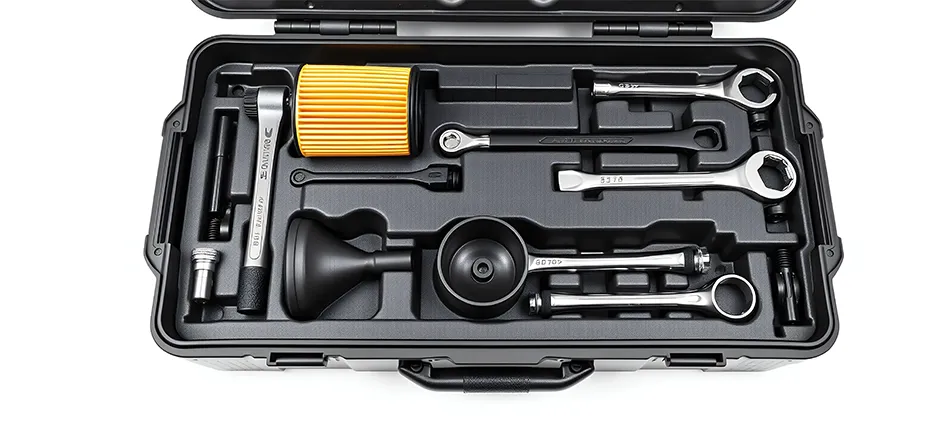
By following these steps, you can inspect, repair, and replace the swivel joint in your excavator. Remember, using the right tools and quality parts can make the job easier and ensure the longevity of the repair. MechLink.com is a reliable one-stop shop for aftermarket excavator parts. You can get the most cost-effective solutions and high-quality ones here. If you need replacement swivel joints, don’t hesitate to visit our website!
In this article, we explore the most frequently asked questions about excavator swivel joints. From what it is, and how it works to inspecting and repairing. By recognizing early signs of wear, following a consistent inspection routine, and upgrading to high-quality components when needed, you can ensure your machinery remains efficient and reliable on the job. Find more practical advice and aftermarket excavator parts at MechLink.com