2026-11-05
Replacing the engine of a machine is no small expense. In addition to the price of the engine itself, the brand, model and maintenance labor costs must also be included. Different equipment is different, so the final engine replacement cost also fluctuates a lot. Here’s a look at what factors impact replacement costs and some practical budgeting tips to make your decision easier.
Before you decide to replace the engine, confirm it’s truly worn out. Sometimes performance issues come from simple problems. These include a clogged filter or a faulty sensor. First, have a qualified heavy equipment mechanic do a thorough diagnostic. But if you’re seeing these critical symptoms, engine replacement is probably needed soon:
If your temperature gauge often goes into the red zone during normal use, that’s a big warning sign. This could mean a cracked engine block or a blown head gasket. Coolant may leak internally because of this. It won’t cool the engine properly. You might also see steam or smoke from the engine bay.
Does your machine use a lot of oil between changes? And there are no visible leaks? This usually means worn piston rings or valve seals. These let oil get into the combustion chamber. A low oil pressure warning light that won’t go away is more serious. It suggests a failing oil pump or worn internal bearings. This can cause catastrophic failure.
Exhaust color helps you diagnose problems. For diesel engines (common in off-road machinery), watch for these:
You know how your machine should sound. Any new, ongoing noise is a worry.
Can your excavator no longer lift what it used to? Is your dozer struggling on slopes? If yes, you have a critical power loss. This could be from internal wear (causing loss of compression). It may also come from a failing turbo or a badly damaged fuel system.
When you change the oil, check the used oil and filter. Look for metallic particles. Fine glitter or larger shavings are clear proof. Internal metal parts are grinding against each other. These parts are failing.
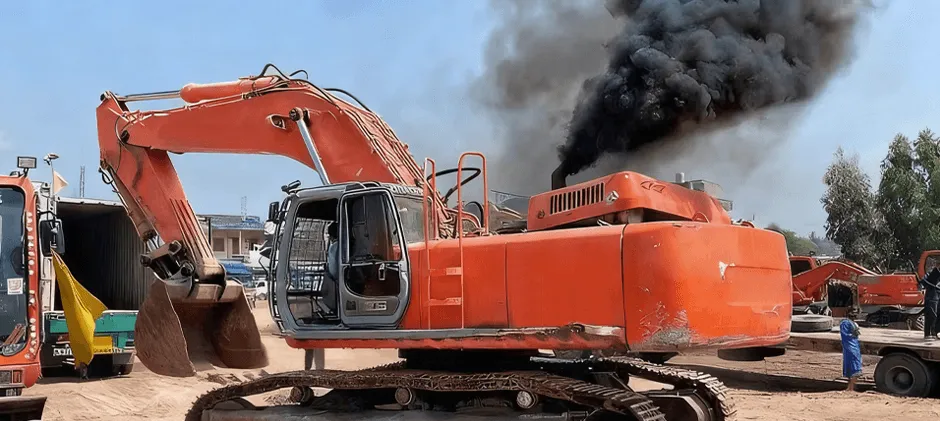
The final invoice for engine replacement isn’t just one number. Several major variables make up the total. Off-road machinery is bigger and more complex than cars. These factors carry even more weight because of that difference. This section holds the key to knowing your total cost.
Engine brand is the primary cost driver, whether it’s Caterpillar, Cummins, Perkins, Yanmar, or Kubota. Parts for premium, high-horsepower engines naturally come with a higher price tag. The emissions rating also plays a huge role in the total cost. Modern Tier 4 Final engines are far more complex than older Tier 2 or Tier 3 models. They include expensive components: Diesel Particulate Filter (DPF), Selective Catalytic Reduction (SCR) systems, and Diesel Exhaust Fluid (DEF) injectors. Replacing a Tier 4 engine, along with its associated emissions hardware, costs significantly more.
You have multiple options to choose from — each comes with a different price and reliability level.
Inclusion of parts directly impacts the total replacement cost. A “long block” usually includes the engine block, cylinder head, and all internal rotating components. You’ll reuse your current fuel system, turbo, manifolds, and accessories with this option. A complete “drop-in” engine comes fully equipped with all necessary accessories. This full setup allows for faster installation. But it also comes with a higher initial cost compared to a long block.
Engine failure often leads to collateral damage. Debris might contaminate the turbocharger, or the radiator could get clogged. Replacing certain wear items during the engine swap is also a smart move.
Labor makes up a huge portion of the total engine replacement cost. Heavy equipment engines are large, heavy, and tightly integrated with the machine’s hydraulic and electrical systems. This kind of work never happens quickly.
A fair labor cost comes down to one simple calculation: the shop’s trusted hourly rate multiplied by the standard book hours for the job. Take a 40-hour job as an example — at $175 per hour, labor alone adds up to $7,000.
Facing a five-figure repair bill is never easy, but you can take practical steps to manage it.
Always add 15-20% to your initial quote for unexpected costs. During teardown, mechanics might discover hidden issues, a cracked manifold, a worn hydraulic pump coupler, or other surprises. This buffer keeps you from going over budget.
Don’t settle for the first price you receive. Gather quotes for the engine itself from dealers and remanufacturers. Also, get labor quotes from different repair shops. Compare warranties just as carefully as you compare prices.
Engine core components demand top quality, but you can cut costs wisely with aftermarket parts for accessories. For items like sensors, belts, filters, and water pumps, reputable aftermarket suppliers offer high-quality, fully compatible options. These parts cost a fraction of OEM prices. A smart way to lower the total bill without sacrificing reliability.
New or remanufactured engines come with a parts warranty, usually 1-2 years. Your repair shop should also stand behind its labor with a warranty. Make sure you understand exactly what’s covered and how long the coverage lasts.
Technically, you could do it yourself. Realistically, most owners shouldn’t. The risk of personal injury runs extremely high with this job. You might also damage the new engine or make critical mistakes that void the warranty. For a task of this scale, professional labor costs act as an investment. They ensure the job gets done correctly.
Calculating engine replacement costs is complex, as many factors affect it. These factors range from the type of engine you choose to related labor costs. When you have a mechanic do the job, the total cost can be $10,000 or more. Choose reliable aftermarket engine parts to cut costs. Make MechLink your one-stop shop for aftermarket engine parts. We guarantee compatibility with your engine’s brand and model.