
2026-08-20
The blower motor is one of the components that affects operating comfort. It drives the heating, ventilation, and air conditioning (HVAC) components. Before rushing to order a replacement, some easy tests can confirm whether actually a problem with the motor. Read on to learn how to test your blower motor. Complete the testing process step by step to diagnose possible problems.
Before you start, grab the right tools. These items are a must-have.
Safety First! Disconnect the machine’s battery before you do any testing. This stops accidental short circuits and keeps you safe from electric shocks.
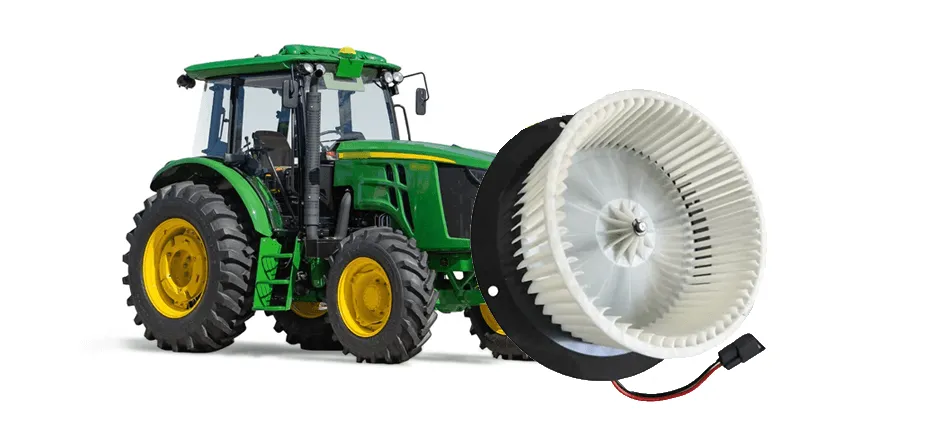
Testing a blower motor is just a matter of checking things one by one. Follow these steps, and you’ll figure out if the motor itself is broken or if the problem is somewhere else in the electrical circuit.
Blower motors in heavy equipment (like excavators, loaders, or tractors) are the most common spots to look:
Check your machine’s service manual for the exact spot on your model. Once you find the motor, you might have to take off a few panels or the motor housing cover to get to it and its electrical connector.
Before reaching for any tools, a thorough visual inspection can reveal some of the most common bad blower motor signs. Take a close look at the motor and its surrounding area for these clear indicators of trouble:
If you find a lot of debris, clear it out and test the fan again. Sometimes a simple blockage is the only issue.
Now we determine if the motor is working properly.
If the motor hum turns up at once, congratulations, the motor is good. The problem is in other places, such as wiring, resistors, or switches. But if it doesn’t respond, sparks, or spins weakly, it’s basically hopeless. Get ready to get a new one.
If you don’t want to use a separate power source, a multimeter can check the motor’s internal windings.
You’re looking for a low, steady resistance reading. The exact number doesn’t matter as much as what you don’t see.
If the motor passed the direct power or resistance test, next check if power is actually reaching it. This tests the rest of the HVAC electrical system.
The voltage reading should match your machine’s system voltage — either 12V or 24V.
After you do the tests, what you find will tell you exactly what’s wrong. Here’s how to figure out the results.
The blower motor is broken inside. The tiny wires (called windings) are either snapped or melted together. This is easy to fix—you just need a new motor.
Good news: the motor is fine! The problem is that electricity isn’t getting to it. The issue is somewhere between the battery and the motor. Check these parts in this order, starting with the easiest!
This might not be an electricity problem. Try these checks:
If your tests show the motor is totally broken, you have to replace it—that’s the only fix. If you keep using a broken HVAC system, the person operating the machine might get tired easily. And the cab could become an unsafe place to be. When you think about the cost of a new blower motor, choosing a good-quality aftermarket part is a smart move. This simply means buying a part made by a trusted manufacturer, not the machine’s original brand.
At MechLink, we have tons of strong, reliable blower motors. They fit lots of different heavy equipment brands. Our parts work just as well as the ones that came with the machine—but they don’t cost as much. That way, you can get your machine’s heat or AC working great without spending too much money. Find the right parts for your machine at MechLink today!

Loader Types Compared: Uses, Strengths, and Site Fit
2026-11-16

Used Loader Buying Checklist: Inspect Condition, Costs, and Records
2026-11-16
Backhoe Loaders Explained: Operation, Specifications, and Job Uses
2026-11-15

Excavator Buying Decisions: The Parameters That Shape the Outcome Before the Brand Does
2026-11-15