
2026-05-02
When you’re browsing utility vehicles for sale, you might notice some are 4×4, and others are 4×2. What’s the Difference Between utility 4×2 vs 4×4? And if you’re buying a utility vehicle for your farm, construction site, or property, which drive type should you pick?
The key to telling these two apart is drive wheels—it’s basic mechanical stuff. Every vehicle’s engine makes power. The drivetrain is just the set of parts that sends that power to the wheels to get the machine moving.
Drive wheels are the ones that get power from the engine to push or pull the vehicle forward. Non-drive wheels don’t get any engine power—they just spin freely when the machine moves.
The numbers in 4×2 and 4×4 are just an easy code. The first number is the total number of wheels (most utility vehicles have four). The second number is how many of those wheels are drive wheels.
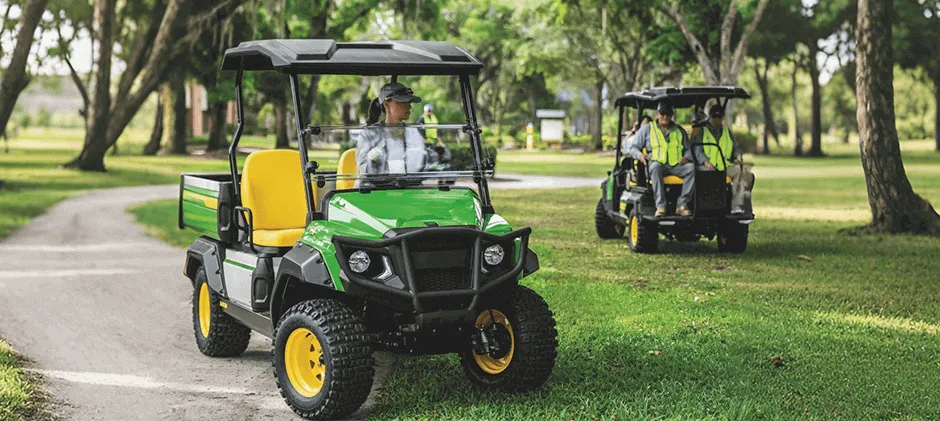
A 4×2 (also called 2WD) utility vehicle is two-wheel drive. The engine only sends power to two out of the four wheels. For almost all off-road utility machines, this is a rear-wheel drive (RWD) setup. Here’s how a regular 4×2 utility vehicle works:
The rear wheels do all the work to push the vehicle forward. The front wheels? They’re just non-drive wheels—they are to steer the vehicle and roll along as it moves. It’s a simpler, no-fuss design that’s been a dependable standard for decades.
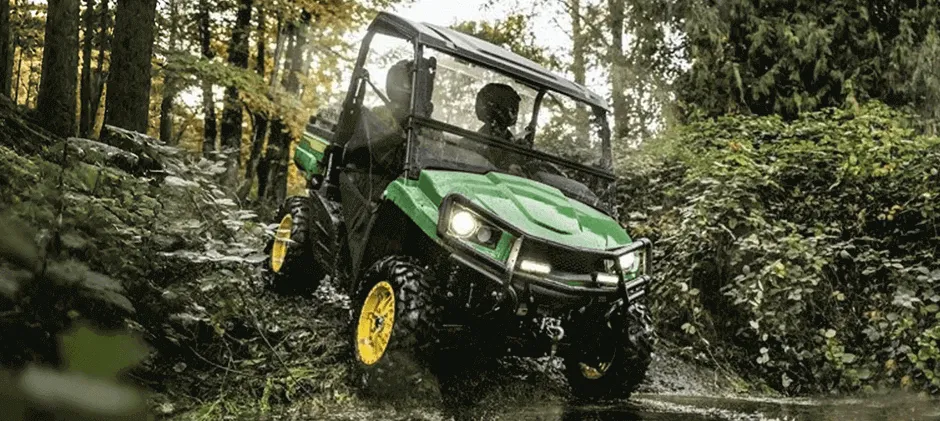
A 4×4 (or 4WD) utility vehicle is four-wheel drive. As the name says, it can send power to all four wheels at once. It’s a more complex setup built for maximum grip. Here’s how power moves in a regular 4×4 utility machine:
Most utility 4×4 systems are part-time, which makes them super flexible. Normal driving? Just use 4×2 mode (usually rear-wheel drive) — saves gas and less wear on parts. Hit slippery mud, steep hills, or thick snow? Flip a simple lever or press a button to turn on 4×4 mode. Then all four wheels get power, and you’ll have all the extra grip you need. Some fancy models come with a full-time 4×4; it stays on automatically, no switching required.
Picking a 4×2 vs 4×4 utility vehicle isn’t about finding a “better” one—it’s about matching the machine to your work and where you use it. Let’s break down the pros and cons based on what matters most.
A 4×4 is all about maxing out grip and capability. If your work means dealing with unpredictable conditions, this setup lets you get the job done without getting stuck—no stress.
A 4×2 is the king of efficiency and value. For lots of owners, it gives you all the power you actually need—no extra cost or hassle of a 4×4 system.
| Feature | Utility 4×2 (2WD) | Utility 4×4 (4WD) |
| Traction | Good on flat, dry surfaces | Excellent in mud, snow, and on hills |
| Purchase Price | Lower | Higher |
| Maintenance Cost | Lower (fewer parts) | Higher (more complex system) |
| Fuel Efficiency | Higher | Lower |
| Weight | Lighter | Heavier |
| Towing/Hauling | Good on stable ground | Superior control on uneven/slick ground |
| Complexity | Simple, easy to operate | More complex, requires engagement |
| Resale Value | Lower | Higher |
Don’t pay for power you’ll never use, but don’t save a little cash now just to end up with a machine that can’t get the job done later. Let’s break down how to decide.
In short, a 4×2 is a smart, budget-friendly pick for controlled areas where you don’t need max traction every day.
If you look at your property and see challenges instead of smooth paths, the 4×4 is almost certainly the right choice.
A 4×2 is a budget-friendly workhorse for predictable conditions. A 4×4 is a tough, powerful machine—ideal for challenging jobs. No matter which drive type you pick, good-quality parts can boost your experience and performance. Don’t risk safety by using worn or broken parts. Check out top-quality UTV replacement parts from MechLink right now!
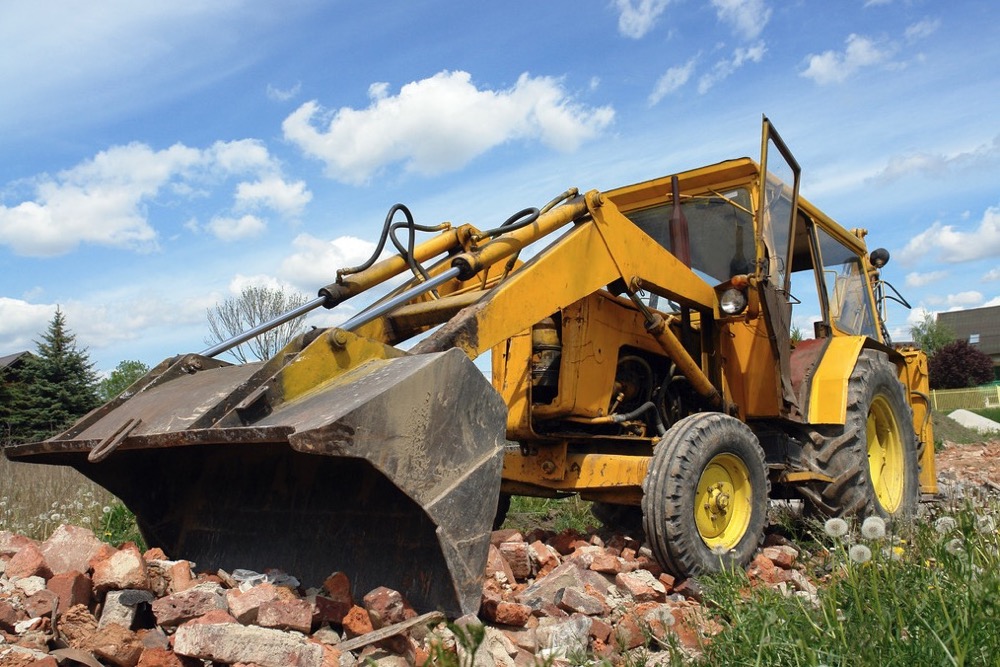
Backhoe Loaders Explained: Operation, Specifications, and Job Uses
2026-11-15
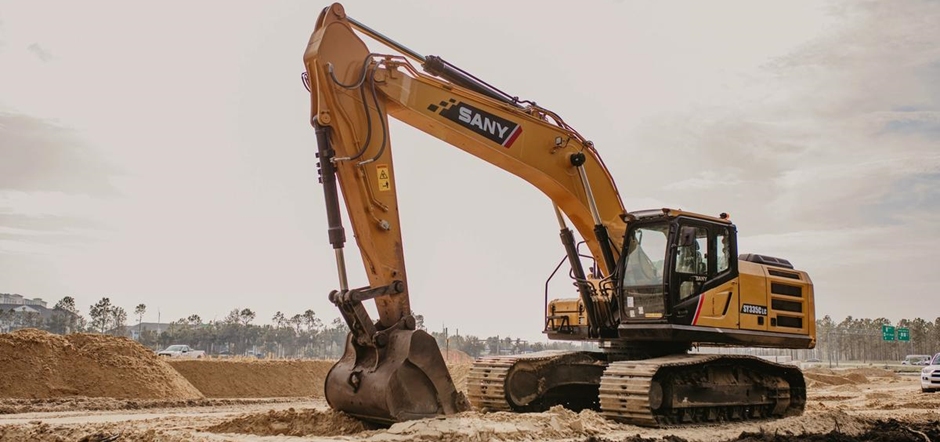
Excavator Buying Decisions: The Parameters That Shape the Outcome Before the Brand Does
2026-11-15
Crane Types by Structure: How Reach and Rated Capacity Decide the Right Lift
2026-11-14
From Load to Pile to Machine: How Deep Foundation Demand Picks the Piling Equipment
2026-11-14