The P0700 code means the transmission control system has detected a fault and asked the engine computer to turn the MIL on. If you’re seeing p0700 code on a scanner, the goal is not to replace random parts—it’s to pull the transmission codes that explain the real failure. This guide shows off-road equipment owners what P0700 means, common symptoms, likely causes, and a step-by-step diagnostic path you can follow in the field.
What Does the P0700 Code Mean?
P0700 is a generic code for “Transmission Control System Malfunction.” It tells you the PCM/ECM received a fault request from the TCM (or a transmission controller function inside the ECM).
P0700 does not identify the failed part. The specific root cause is stored as additional TCM codes (often P07xx, P17xx, or manufacturer-specific codes).
Clear Statement: You cannot fix P0700 correctly until you read the companion transmission codes.
/filters:format(.webp)/filters:quality(50)/news/1773746451421-p0700.png)
Why Do Off-Road Machines Trigger a P0700 Code?
- Harsh duty makes connectors, sensors, and wiring fail more often. Heat, vibration, mud, and pressure washing can create intermittent signals that the TCM interprets as transmission faults.
- Low voltage and poor grounds trigger control faults. Weak batteries and corroded grounds can cause solenoid and sensor readings to go out of range.
- Hydraulic and mechanical issues can trigger electronic complaints. Low fluid level, wrong fluid, or internal slip may show up first as “control system” codes.
“Electronics report what they see; they don’t always tell you why it happened.”
10 Common Symptoms of the P0700 Code
Limp mode is the most common symptom. The machine may lock into a limited gear, restrict torque, or reduce travel speed to protect the transmission.
- Delayed engagement into forward or reverse
- Harsh shifting or banging into gear
- No upshift / no downshift
- Stuck in one gear (failsafe)
- Erratic shifting (hunting)
- Transmission overheating warning
- Reduced pushing power or “slipping” feel
- No movement, even thoughthe engine revs
- MIL / check engine light plus transmission light (if equipped)
- An intermittent fault that appears after vibration or warm-up
Clear Statement: If the machine still moves but feels “stuck,” it’s often in a protective strategy, not “fixed.”
8 Common Causes of the P0700 Code
- A stored TCM fault. P0700 is usually triggered by another specific code, such as solenoid performance, sensor range, or gear ratio errors.
- Low or contaminated transmission fluid. Aerated, burnt, or incorrect fluid can cause pressure problems and clutch slip.
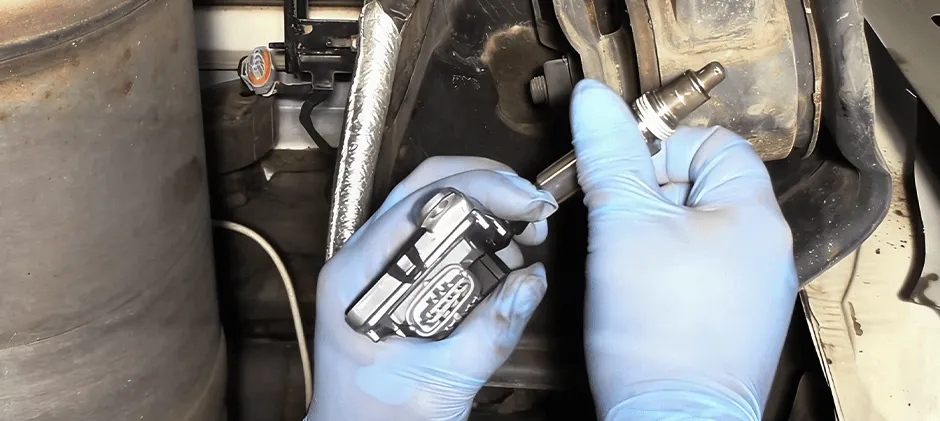
- A failing shift solenoid. Solenoids can stick from varnish or fail electrically (open/short).
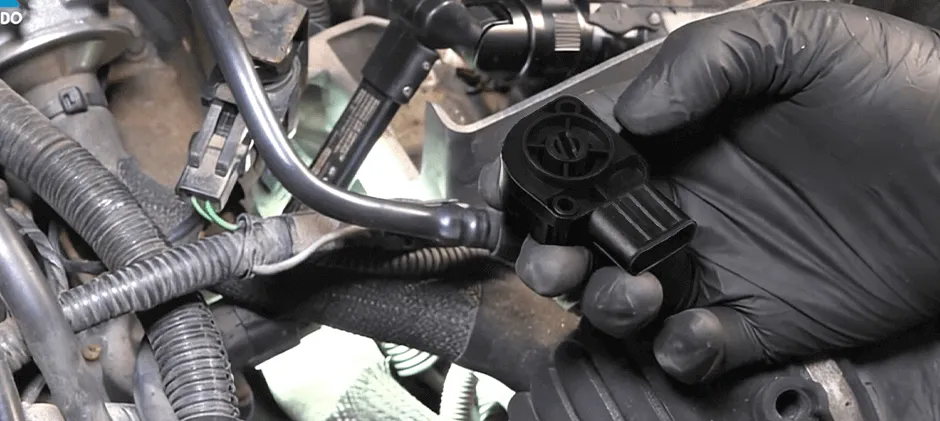
- Speed sensor issues. Input/turbine and output speed sensors help the controller confirm gear ratios and shift timing.
- Wiring and connector damage. Chafed harnesses, oil intrusion, bent pins, and corrosion create intermittent signals.
- TCM power/ground problems. A bad ground strap or a weak battery can make multiple “phantom” transmission codes.
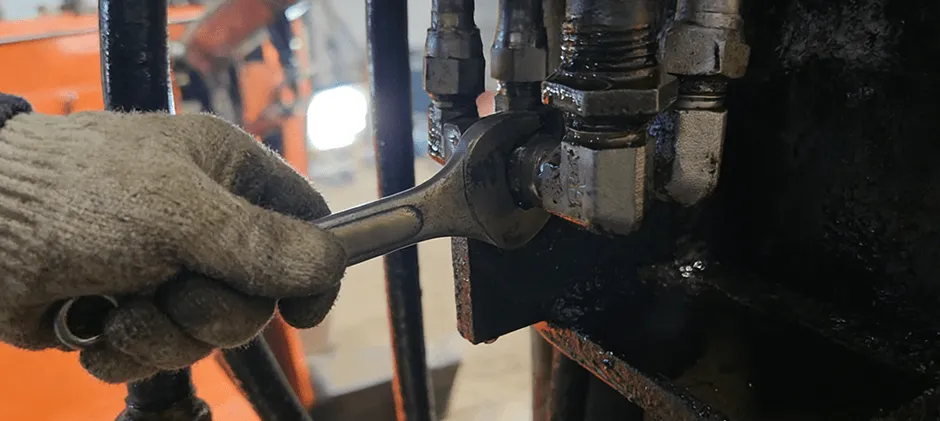
- Valve body or hydraulic pressure issues. Sticking valves, clogged screens, or weak pump pressure can cause ratio errors.
- Internal clutch or torque converter problems. Mechanical slip often produces ratio codes and overheating.
“A solenoid code can be a wiring problem, and a ratio code can be a pressure problem.”
What Related Codes Should You Check?
Look for TCM-specific codes that explain the failure. Common related codes include:
- P0715 / P0720 (input/output speed sensor circuits)
- P0730–P0736 (incorrect gear ratio)
- P0740 / P0741 (torque converter clutch performance)
- P0750–P0770 (shift solenoid circuits/performance)
- P0868 (low transmission fluid pressure)
Clear Statement: The companion code is the one you troubleshoot first.
How to Diagnose a P0700 Code in 8 Steps
- Record all codes and freeze-frame data. Write down codes from ECM and TCM before clearing anything.
- Verify battery voltage and grounds. Check charging voltage, battery terminals, and the transmission/TCM ground points.
- Check transmission fluid level and condition. Look for burnt smell, discoloration, foaming, or metal debris (where inspection is possible).
- Inspect the harness at known rub points. Follow the loom from the transmission to the controller and look for chafing, oil saturation, and loose connectors.
- Pull live data for speed sensors and commanded gear. Confirm input/output speeds behave logically and don’t drop out with vibration.
- Test suspected solenoids and sensors electrically. Measure resistance, check for shorts to ground/power, and wiggle-test the harness while watching readings.
- Verify hydraulic pressure if the machine and tools allow. Low pressure can masquerade as electrical faults and create gear ratio codes.
- Clear codes only after repairs and perform a controlled test. Drive through gears under safe load and re-scan to confirm the fix.
“Diagnose with data, then replace parts—not the other way around.”
When Should You Stop Operating Immediately?
- Stop if you have no movement, violent shifting, or overheating. Continued operation can burn clutches, damage the torque converter, or contaminate the entire system with debris.
- Stop if the fluid is burnt or full of metal. That indicates internal damage that will not be solved by sensors alone.
Clear Statement: Limp mode is a warning—pushing through it can turn a repair into a rebuild.
6 Common Fixes for the P0700 Code
The fix depends on the companion code. The most common successful repairs include:
- Repairing wiring/connectors (pins, corrosion, chafing)
- Replacing a failed speed sensor (input/output)
- Replacing a faulty shift solenoid or solenoid pack
- Correcting the fluid level and using the specified fluid
- Fixing power/ground issues (battery, alternator, straps)
- Addressing pressure/valve body problems (screen, valve body service)
“If it’s electrical, it usually fails intermittently first.”
How to Prevent P0700 Problems
- Protect the harness and keep fluids healthy. Secure looms away from sharp edges, avoid direct pressure-washing connectors, and maintain fluid/service intervals based on hours and heat.
- Watch temperature and duty cycle. Overheating accelerates fluid breakdown and solenoid sticking.
- Fix small leaks early. Low fluid level is a fast path to slip, heat, and codes.
Summary
The p0700 code is a transmission fault request, so the real answer is in the TCM companion codes. Use a structured process—check power/grounds, fluid, wiring, live data, and then test sensors/solenoids—to avoid unnecessary downtime and parts swapping. When a diagnosis points to a failed sensor or solenoid in the transmission control system, browse MechLink for reliable replacement Transmission Parts to get your machine shifting correctly again.