2026-08-11
Diesel Exhaust Fluid (DEF) is a specialized liquid used in heavy equipment to cut down on nitrogen oxide (NOx) emissions. It works by converting the NOx present in the machine’s exhaust into harmless water and nitrogen gas. This emission-control method, known as Selective Catalytic Reduction (SCR), is a cornerstone of exhaust systems in modern heavy-duty equipment. That’s why the vast majority of these newer machines simply won’t operate without a supply of DEF. For fleet managers and heavy equipment operators, understanding DEF’s importance and mastering the right ways to store and maintain it is critical. So, does DEF expire? In this article, we’ll talk about that.
Absolutely—DEF does expire. It’s nothing like oil or grease that can sit on a shelf for years. DEF is a strict chemical blend: 67.5% deionized water plus 32.5% high-purity urea. And like any chemical mix, it breaks down over time and when it’s exposed to the elements.
Expiration isn’t just about a printed date on the jug, either. For heavy equipment owners, the real DEF killers are contamination, sunlight, and extreme heat—all the stuff you deal with every day on a worksite.
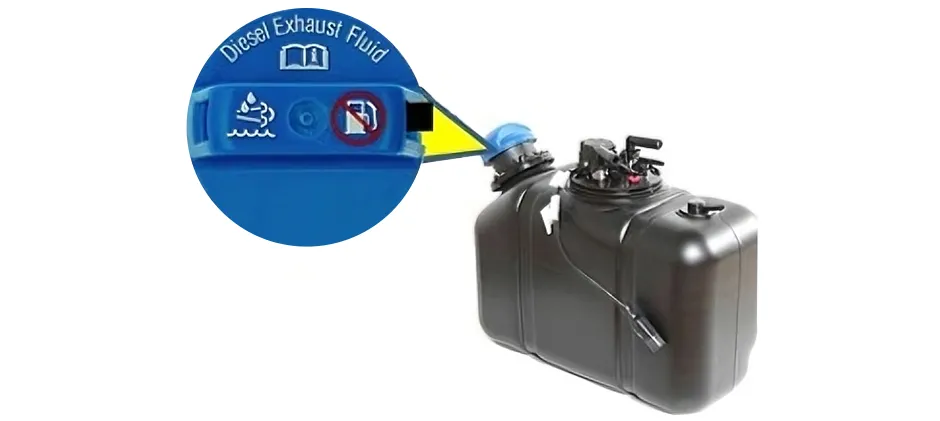
Generally speaking, diesel exhaust fluid (DEF) has a shelf life of about 1-2 years, but the lower the storage temperature, the longer the shelf life. DEF that is not contaminated but has exceeded the recommended shelf life can be tested using a refractometer to determine if the urea content is still within the acceptable range (31.8-33.2% by weight). Uncontaminated DEF is usually used normally even after the expiration date. However, most users discard DEF due to concerns about its storage time (whether such concerns are actual or subjective).
Your machine’s pretty smart—it’ll usually give you obvious signs when the DEF is old, contaminated, or just plain useless. Ignore these hints, and you could end up with a forced engine shutdown and a lot of costly downtime. Here’s what to watch out for.
Fresh, good DEF should be crystal clear, just like water. If you look at the fluid in the jug or a sample from your tank and spot any of these issues, the DEF is bad news—don’t use it:
Modern engines have sensors that keep an eye on the SCR system nonstop. When they detect crummy DEF, your dashboard will light up with alerts like these:
Bad DEF messes with how your machine runs—here’s how you’ll notice:
The best way to keep your DEF in good shape and protect your equipment is proper storage. It’s not rocket science—you just need to pay a little attention to the details.
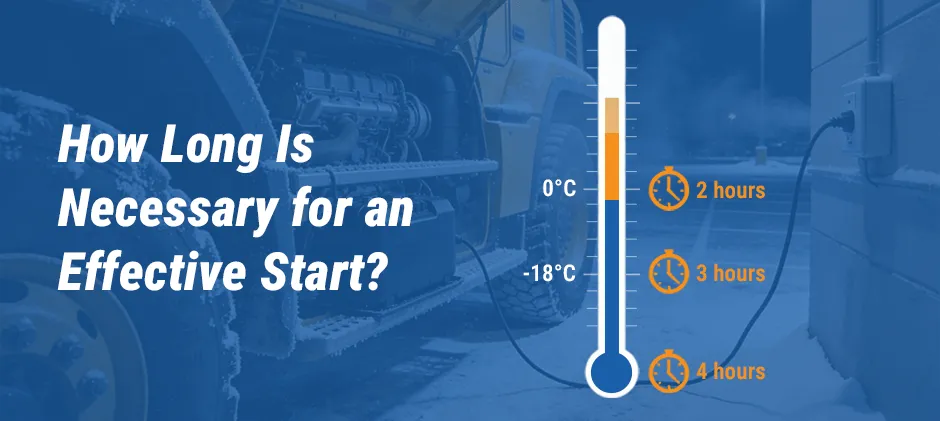
If you live or work in cold areas, there’s one more thing to worry about: freezing. DEF turns to ice at 12°F (-11°C). A lot of operators freak out thinking frozen DEF will wreck their machines—but don’t stress.
Heavy equipment makers built SCR systems to handle this, no problem. Your machine’s DEF tank has heating lines (usually hooked up to the engine’s coolant) that melt the frozen fluid right after you start the engine. The engine runs totally fine while the DEF thaws—the SCR system just won’t spray any fluid until sensors confirm it’s liquid again.
Here’s the key: freezing and thawing doesn’t mess up DEF at all. Once it melts completely, the urea and water mix back to the perfect 32.5% concentration.
But there is one big freezing risk—how you store it. When DEF freezes, it expands by about 7%. If you’ve got a plastic jug full to the brim, sealed tight, sitting in an unheated shed? That expansion can crack or even blow the jug wide open, making a huge, messy leak.
Cold-weather storage hack: If your DEF might freeze where you keep it, don’t fill the containers all the way up. Leave a little empty space at the top—that gives the fluid room to expand safely without busting the jug.
DEF does go bad, and heat, sunlight, and contamination will make it go bad faster. Storing it the right way and watching for signs that it’s gone off will keep your engine from losing power, cut down on downtime, and save you from shelling out big bucks to fix your SCR system.
And if you do need repairs? You don’t have to pay those crazy dealer prices. MechLink has a huge selection of top-quality, direct-fit aftermarket emission & exhaust system parts at budget-friendly prices—they work with all major heavy equipment brands.