
2026-07-15
Water is the enemy of diesel fuel systems. After winter storage, your tank can act like a “mini reservoir” because temperature swings create condensation that ends up in the fuel. This guide explains what a fuel water separator does, the most common water in diesel symptoms, and exactly how to drain water from a fuel separator before spring work begins.
“Clean fuel is power. Water is wear.”
Condensation is the main reason water shows up in the tank. Warm daytime air enters the tank, cool nights drop the temperature, and moisture condenses on the tank walls and runs down into the fuel.
Half-full tanks make the problem worse. More air space inside the tank means more moisture available to condense into water.
Clear Statement: Winter storage turns small humidity changes into real water accumulation.
A fuel water separator removes free water before it reaches the injection system. It uses gravity and a filter element to separate heavier water droplets from diesel and trap debris.
Most separators also act like a primary filter. Many assemblies catch larger contamination first, protecting the finer diesel fuel filter downstream.
“The separator is your first line of defense—don’t skip it.”
Clear Statement: If symptoms worsen after sitting all winter, suspect water and filter restriction first.
“Water doesn’t just lower performance—it shortens component life.”
Clear Statement: Spring is not only planting season—it’s separator season.
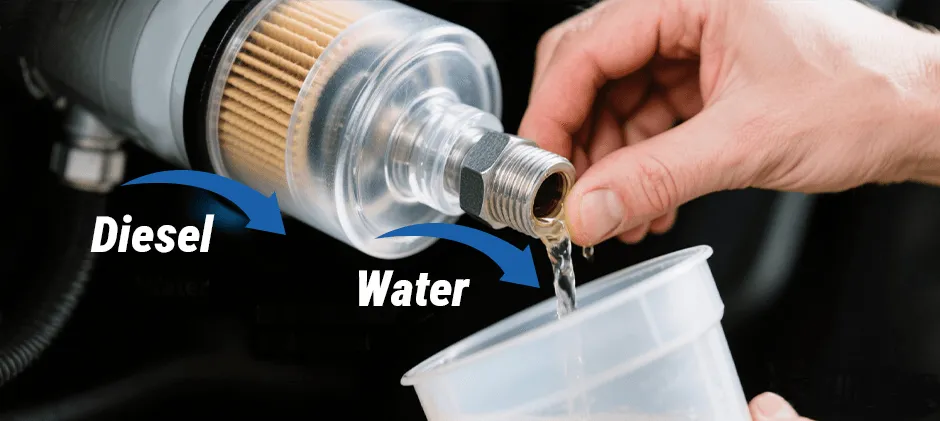
Draining is a quick job, but it must be clean. Use a clear container and keep dirt away from fittings.
Safety prevents accidents. Park the level, set the brake, and let the hot components cool.
Cleanliness prevents new contamination. Wipe dirt off the bowl, drain valve, and housing.
A clear jar helps you confirm water. Water will settle at the bottom and look like a separate layer.
Slow draining separates layers better. Drain until you see clean diesel with no water layer.
Leaks create air intrusion. Air in the fuel line can cause hard starting and rough running.
Priming restores fuel flow. Use the hand primer or key-on prime function (model-dependent) until firm, then start.
“Drain until it’s clean, then stop—don’t empty the whole system unnecessarily.”
Small habits can refill your separator with water. Avoid these common issues:
Low fuel = more condensation space. Keep the tank appropriately filled for storage when recommended by the OEM.
Bad fuel brings water and debris in. Use clean cans, filtered funnels, and reputable suppliers. Check our Heavy Equipment Diesel Fuel Buying Guide for more tips.
Bad seals let air and moisture in. Replace cracked O-rings during service.
Filters usually warn you first. Power loss, surging, and rough idle are early signals.
Draining removes water, not plugged media. A restricted element still chokes the flow even after draining. See our guide on how often to change your fuel filter.
Clear Statement: Draining is maintenance; replacing is prevention.
Replace before spring if the machine sat all winter. Many owners intentionally schedule changing the fuel filter before spring because it reduces downtime when work is urgent.
Replace immediately if you find heavy water, slime, or rust. Those signs suggest ongoing contamination and possible microbial growth.
Replace if the tractor loses power under load. Fuel restriction is often filter-related, and filters are cheaper than injectors.
“A new filter is cheaper than one bad day in the field.”
Repeated plugging often means the contamination source is upstream. Check tank condition, filler cap seal, venting, and storage containers.
A failing lift pump can mimic filter problems. If you replace filters and still have starvation symptoms, inspect the fuel lift pump and fuel lines for collapse, air leaks, or weak supply.
Clear Statement: If new filters don’t fix it, stop “parts swapping” and inspect the tank, lines, and pump.
A fresh separator and filter setup is the simplest spring insurance. Off-road machinery owners often choose an aftermarket fuel filter for Kubota/John Deere when they need dependable filtration without OEM pricing delays.
Assemblies and elements solve different problems. If your bowl is cracked or the drain valve leaks, consider a full Fuel Water Separator Assembly; if the housing is fine, an element replacement is enough.
“Replace what leaks. Renew what clogs.”
A fuel filter water separator is your spring startup safeguard against water, rust, and power loss. Drain the separator, inspect the fuel sample, and replace the element if there’s any doubt—especially if you notice hard starting, white smoke, rough idle, or a tractor losing power under load. To minimize downtime before spring work, check MechLink for a replacement fuel water separator (assembly or element options) and consider inspecting related items like the fuel lift pump at the same time.
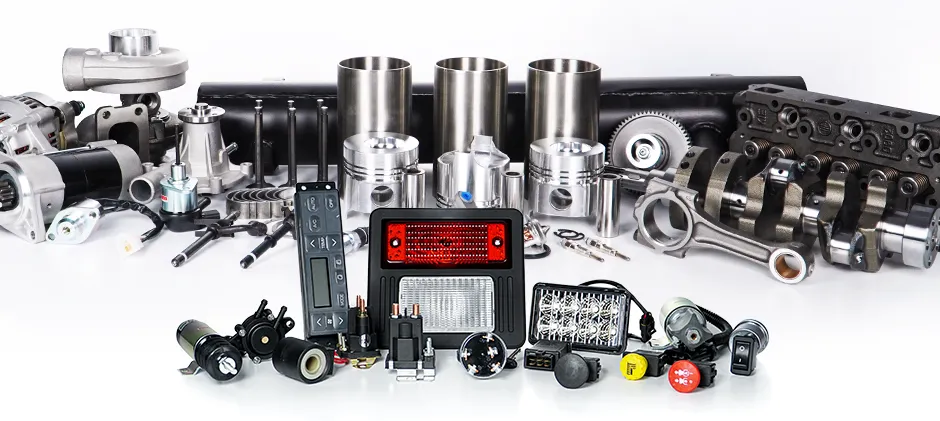
The 30 most popular kubota parts at mechlink
2026-09-21
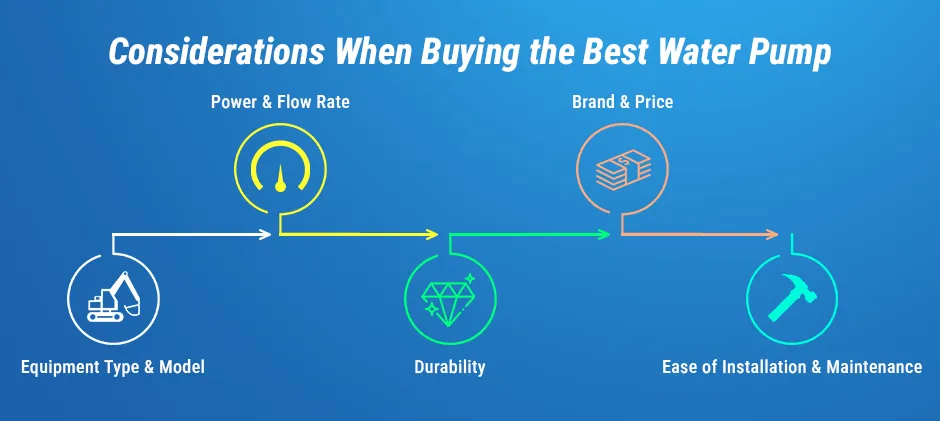
How to choose the best water pump for your heavy equipment
2026-09-21

Ultimate guide to choosing the best engine oil filter for tractor
2026-09-20
How much does a ford f-150 weigh? 2026 complete guide
2026-09-20