
2026-09-14
The engine belt looks simple, but it is a key component of the equipment. Each belt is responsible for driving a specific equipment component. Whether you open a repair shop or maintain your equipment yourself, understanding different types of engine belts can help you make more reliable replacement decisions and avoid failures that cause high losses.
The engine belt is a flexible loop belt made of durable rubber. It is also reinforced with fibers such as Kevlar or polyester to increase strength and prevent stretching. The main function of the belt is to transmit the power of the engine crankshaft to various key components to make the machine work properly. The belts of heavy equipment work for a long time in dusty, muddy, high-temperature, and heavy-load environments, and are under great pressure. Regularly checking your belts and understanding the different types can help you avoid sudden equipment downtime and high repair costs.
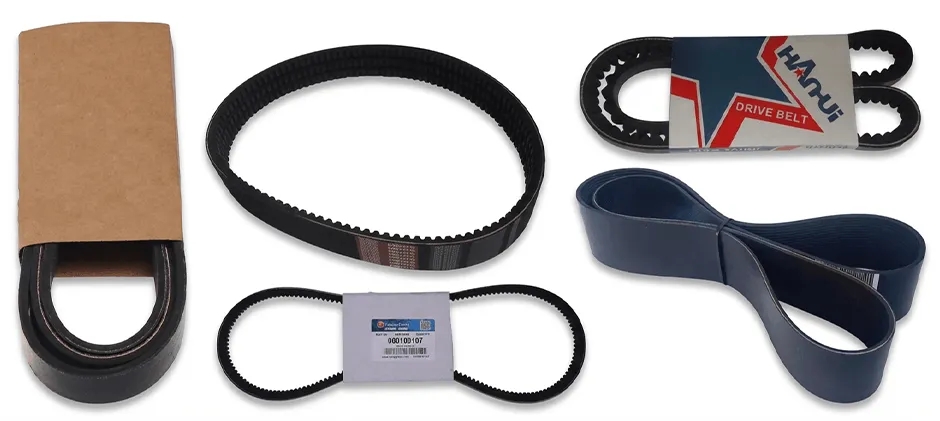
The serpentine belt (also called a ribbed belt or poly-groove belt) is the most common type on modern heavy equipment. True to its name, this single long belt snakes its way around multiple pulleys. It drives all the engine’s accessories in one go, using just one loop.
Its outer side is flat. The inner side has a row of small V-shaped ribs. These ribs fit perfectly into the matching grooves on the pulleys. This creates a large contact area for a strong grip and efficient power transfer. This efficient design lets engineers make engine bays smaller and more powerful. But it has one big downside—it’s a single point of failure. If the serpentine belt breaks, every part it powers (water pump, alternator, etc.) stops working right away.
Before serpentine belts became common, V-belts were the primary mode of drive for engine accessories. They are still commonly found in older or simple heavy equipment, such as old bulldozers, small generator sets, or some basic agricultural machinery.
V-belts have a “V”-shaped cross-section. This shape fit tightly into the groove of the pulley. The greater the load, the tighter it bites, the higher the friction, and the less likely it is to slip.
Equipment using V-belts typically does not have one belt responsible for all accessories, but rather several separate belts working separately. For example, one belt drives an alternator and the other drives a water pump or fan. The advantage of this is that there is a certain degree of redundancy—if one of them breaks, it will only affect that part and the rest of the engine will continue to run for a while.
Both belts transfer power, but their designs and uses explain why modern equipment has switched to serpentine systems.
Here’s a simple way to think about it: V-belts are like a team of specialists. Each one does just one job. A serpentine belt is a single, multi-talented all-rounder that handles everything. Both have their uses, but the all-rounder is far more common these days.
Although the main serpentine belt of some equipment can drive the power steering pump, many heavy machines, such as skid steer loaders, mini excavators, and small tractors, use a separate belt to drive their hydraulic pumps.
This hydraulic pump belt is very critical because the hydraulic pump is responsible for providing the main working power, such as lifting the boom, rolling up the bucket, or driving accessories such as augers and breakers. Once this belt breaks, the engine can continue to run, but the working movement of the machine will stop. The boom will not be raised, the bucket will not be rolled, and the accessories will not be able to be brought.
Because the hydraulic system requires a lot of torque, this belt is usually stronger than ordinary belts. It may be a strong V-belt or a short, wide ribbed belt designed to withstand high loads.
The PTO belt is another specialized belt. You’ll mostly find it on agricultural and forestry machinery—tractors, combines, mowers, and the like. PTO stands for Power Take-Off. It’s a system that moves engine power to external, usually detachable, equipment. The PTO belt gets power from the tractor’s dedicated PTO shaft. It uses that power to run tools like balers, sprayers, or cutters. These belts are built to be super tough. They work out in the open and have to handle the shock loads from starting up and running heavy attachments. Important note: They’re a totally separate system from the engine’s internal accessory belts.
These terms are often used interchangeably. They usually refer to individual V-belts in older engine setups. Before the single serpentine belt came along, it was standard to have separate belts for different jobs:
In many cases, one single V-belt could drive two components, like the water pump and fan. When someone talks about an “accessory drive belt” on an older machine, they’re almost always referring to one of these specific V-belts. On modern heavy equipment? All those separate belt jobs have been rolled into one single serpentine belt.
Knowing the signs of a failing belt can save you from a breakdown on the job.
Most manufacturers suggest replacing belts based on operating hours. Always check your machine’s service manual for the exact replacement interval.
From serpentine belts to power take-off shaft (PTO) belts, knowing the various types of engine belts and taking the signs of wear can aid in active maintenance. Need a belt replacement? Welcome to MechLink. We offer a wide range of high-quality engine belts to ensure your equipment runs smoothly.
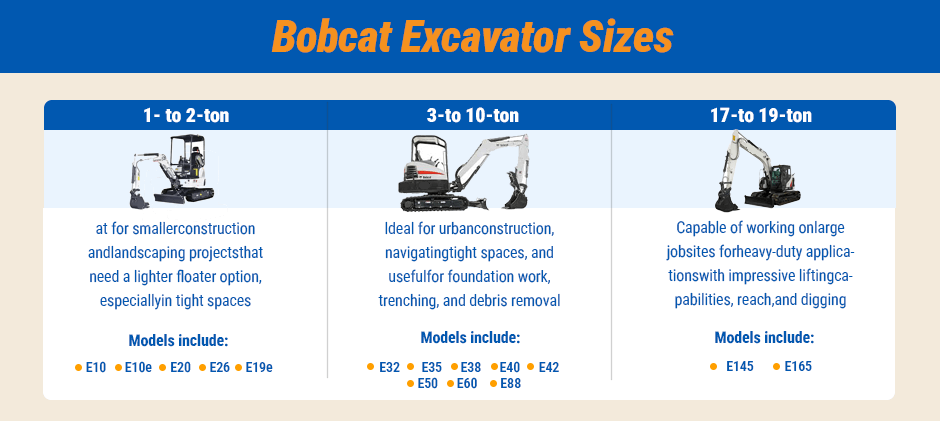
Bobcat excavator sizes select guide: choose the best size
2026-09-14
How much does a diesel fuel filter replacement cost?
2026-09-13
Is a dpf delete worth it? the real risks for your machinery
2026-09-13

How much does it cost to replace a windshield wiper motor?
2026-09-12