2026-07-25
A power outage can stop work fast—but the bigger problem is what happens after the lights go out: interrupted cooling, half-finished regen cycles, dead batteries, contaminated fuel transfers, and rushed restarts that damage expensive components. In this guide, we’ll share practical power outage safety tips focused on engine protection for off-road machinery, so we can keep engines, fuel systems, and controls safe during the outage and get machines back to work with less downtime.
On a jobsite or yard, “power outage” doesn’t just mean the office loses electricity. It can also mean:
For off-road machines (excavators, loaders, skid steers, dozers, telehandlers, tractors, and generator-powered support units), outages create four real engine risks:
If a machine or support generator loses power to key controls (or the operator shuts down suddenly to “save fuel”), we can get heat soak and oil coking in hot areas, plus uneven cooling. That shortens turbo and bearing life over time.
When power returns, unstable voltage can trigger control faults, sensor misreads, and, in worst cases, damage to chargers, controllers, and accessory circuits. Even if the engine “runs,” it may run with bad inputs.
Outages often stop the electric transfer pumps and filtration. That increases the chance of air intrusion, dirty fuel, and water pickup—especially when everyone is refueling in a hurry.
If block heaters, tank heaters, and shop heat go down, we can see hard starts, poor combustion, and faster soot build-up. Batteries also lose capacity when cold and uncharged.
To keep this practical, the next section breaks the response into a clear checklist we can apply in the field.
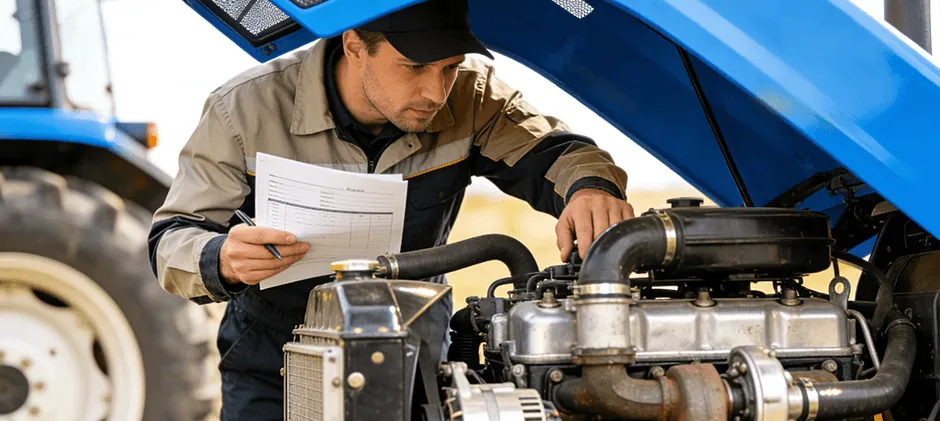
If the jobsite is in an area with unreliable power, we should plan how we’ll stop the machines safely.
Why it helps: controlled cooldown reduces heat stress and prevents repeating “hot shutoff” wear.
When power fails, operators often kill engines right away. That can be the wrong move for diesel equipment that was just working hard.
When to shut down immediately: fuel leak, fire risk, low oil pressure, or any safety hazard.
Power restoration is often messy: brownouts, surges, and rapid cycling.
What it prevents: weird intermittent faults that waste hours in diagnosis.
When chargers go offline, batteries are the first weak link, especially in cold weather or in fleets that idle often.
Field clue: slow cranking plus dim displays after the outage often points to battery state-of-charge, not a “bad starter.”
During outages, refueling often becomes manual, rushed, and less controlled.
This tip connects directly to reliability: clean fuel prevents injector wear, reduces smoke, and lowers soot load.
After an outage, many no-starts are simple fuel supply problems (airlock, clogged filter, weak lift pump) rather than major engine faults.
If we’re already planning preventive maintenance, it helps to review the machine’s fuel system parts path (filters, lines, injectors, pump components) so the right wear items are on hand before the next outage.
When power is out, we may need to relocate machines, load them, or move them to a safer area. If the machine suddenly won’t move, it’s easy to blame the outage.
But sometimes the timing is coincidental—and the issue is mechanical.
If we notice binding, grinding, delayed engagement, or strange noises during 4WD operation, it’s worth checking common driveline failure signs (not just electrical checks). Here’s a practical reference on transfer case warning signs that can help separate drivetrain faults from outage-related issues.
If fuel transfer stopped mid-process or if we opened lines during the outage, air can reach the injection side. On many diesel setups, air causes hard starts, uneven idle, and stalling.
When pump wear or internal leakage is suspected, sourcing the right components from the fuel system side (injection pumps and related delivery parts) can be a more direct fix than chasing symptoms.
Outages often expose marginal pumps: a pump that “almost worked” fails once voltage drops or priming becomes difficult.
Typical signs of a weakening pump after an outage:
If diagnostics point to supply pressure problems, keeping a known-good fuel pump option available can cut downtime sharply—especially for machines that can’t sit idle during recovery work.
Not every off-road asset on a site is a modern diesel. Many support machines (compact equipment, older forklifts, small power units) still rely on carbureted gasoline engines.
Outage-related issues for carbureted systems often include:
If we maintain older units, having a correct-fit carburetor ready can be the difference between “back online today” and “down for a week,” especially when repair shops are also delayed by the outage.
Shutting down hot engines immediately and then doing rushed restarts. Controlled cooldown and a calm restart checklist prevent many repeat failures.
Only when there’s a clear reason (moving equipment, powering critical site needs, warm-up in extreme cold). Unneeded idling still creates soot, fuel dilution risk, and wear. If we run them, we should run them with purpose and proper temps.
Voltage dips and reconnect surges can trigger temporary sensor faults or low-voltage events in control modules. Clear codes only after we confirm the charging voltage and stable operation.
If the engine cranks strongly but won’t fire, we check fuel supply/prime and filter restriction early. If cranking is weak or displays a reset, we start with battery/charging.
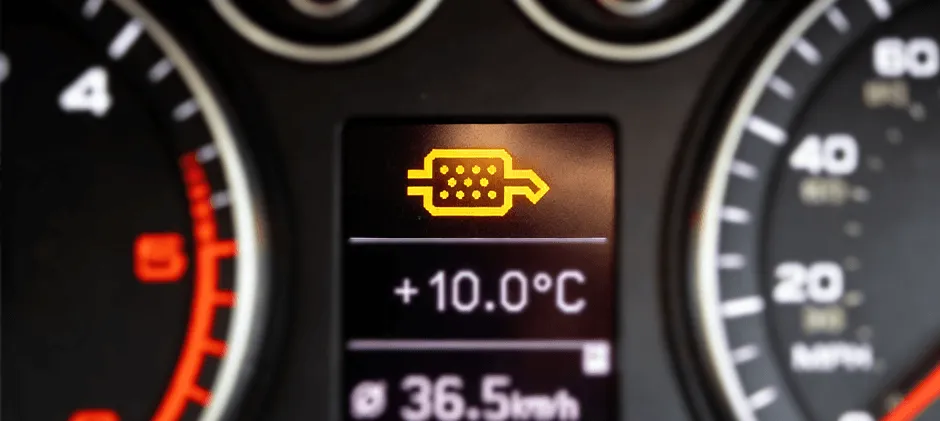
Yes. Interrupted work cycles and extended idle time can raise soot load faster. Also, incomplete regen opportunities can stack up. We should watch regen prompts and avoid repeated short cycles right after the outage.
Strong engine protection during outages comes down to controlled shutdown, stable restart, clean fuel handling, and quick checks that separate fuel issues from electrical or drivetrain problems. These power outage safety tips help us avoid repeat no-starts, reduce soot buildup from poor operating cycles, and prevent damage from rushed decisions. With a small stock of common wear items, access to reliable aftermarket replacements, and the right power tool for the job, we can shorten downtime and keep off-road equipment ready for recovery work.