2025-10-29
If you’re a heavy equipment operator or fleet manager, then you’ve probably read about the importance of replacing your machine’s fuel filters and oil filters on a regular basis. Here’s what you need to know about these filters, how they differ and why they’re crucial to keeping your machine in good working condition.
Fuel filters and oil filters are both vital components in heavy equipment machines, but they have different functions.
An oil filter is designed to remove contaminants from the oil used in your machine’s engine. On the other hand, a fuel filter is used to remove impurities and debris from the fuel before it reaches the engine’s combustion chamber.
Fuel filters are necessary to ensure the proper functioning of the engine and prevent damage to fuel injectors, while oil filters help protect the engine’s moving parts from wear and tear caused by dirty oil.
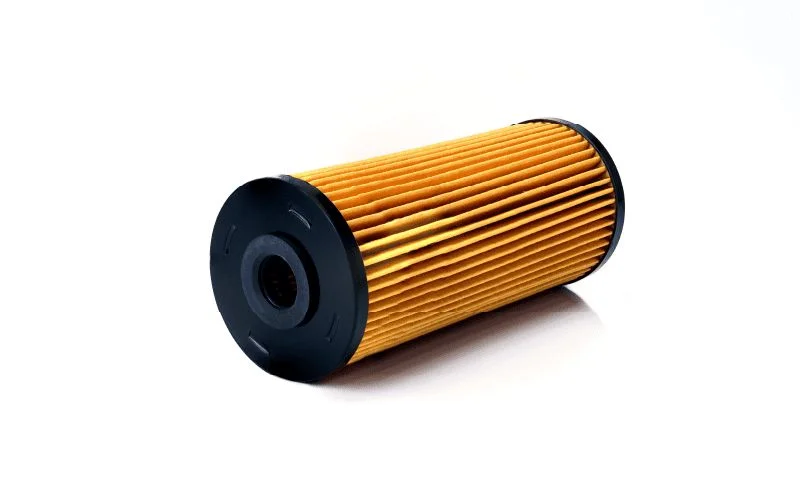
The purpose of a fuel filter in heavy equipment machinery is to filter impurities out of the fuel before it reaches your machine’s fuel injectors.
In combustion engines, fuel is pumped into the engine’s injectors by the fuel pump. From there, the fuel is atomized by the injectors and injected into the engine’s combustion chamber.
However, if the fuel is contaminated with impurities, such as dust or metal shavings, the injectors may become clogged. Clogged injectors cannot properly atomize the fuel to be injected into the combustion chamber, leading to problems and engine failure.
Fuel filters help prevent this by filtering your machine’s fuel before it reaches the injectors. By removing impurities and cleaning the fuel, fuel filters help keep your engine running smoothly and prevent breakdowns.
The purpose of an oil filter on heavy equipment machinery is to filter impurities, such as sludge, out of the machine’s oil.
A machine’s motor is packed full of mechanical, metal parts that are in constant motion as you operate your equipment. The role of oil is to lubricate these moving parts, minimizing friction between them and reducing wear on the engine.
As combustion occurs in your machine’s engine, however, certain pollutants build up and make their way into the oil. If these impurities are allowed to build up in the oil, they can lead to problems such as overheating and breakdowns. Oil filters remove these impurities from the oil, keeping the oil clean and reducing strain on the engine.
Not only do the fuel filter and oil filter serve different purposes, they’re also found in different locations on your machine.
Fuel filters are usually attached to the fuel line between the fuel tank and the engine’s injectors. On modern machines, the fuel filter is usually located in the engine bay where it can be easily accessed. For example, the John Deere 35G Excavator’s fuel filter is located in the engine bay, just to the left of the engine. You can identify the fuel filter by its cylindrical shape.
To find the exact location of your machine’s fuel filter, consult its service manual.
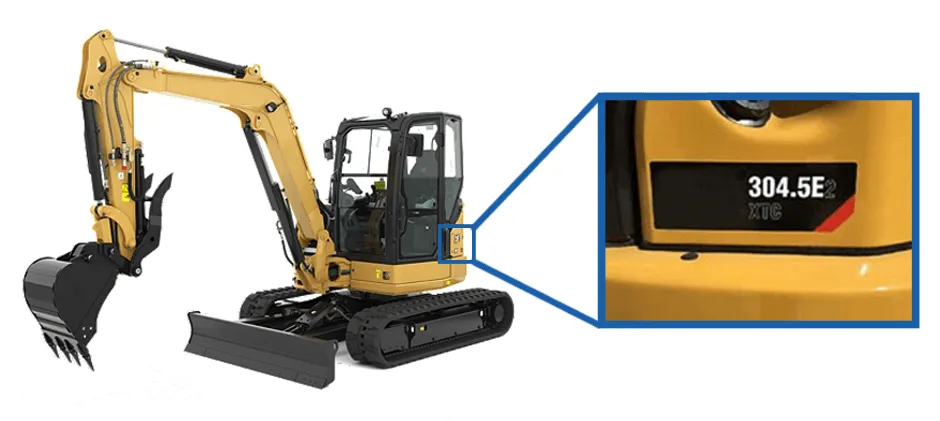
On most machines, the oil filter will be found in the engine bay. On larger machines, the oil filter will be located in one of the machine’s maintenance compartments. For example, the oil filter on a CAT 314E Excavator is located in one of the machine’s side compartments, behind an access panel.
To find the exact location of your machine’s oil filter, consult its service manual.
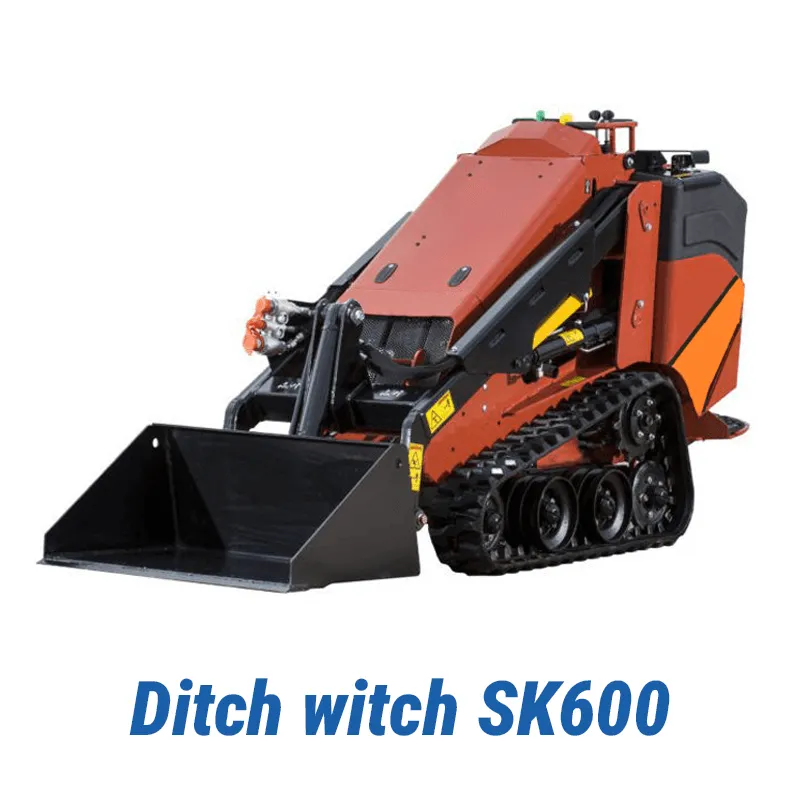
To keep your engine running smoothly, make sure to replace your machine’s fuel filter at the intervals recommended in its operating manual. Generally, it’s considered good practice to change your fuel filter at least once per year for machines like excavators, skid steers or tractors.
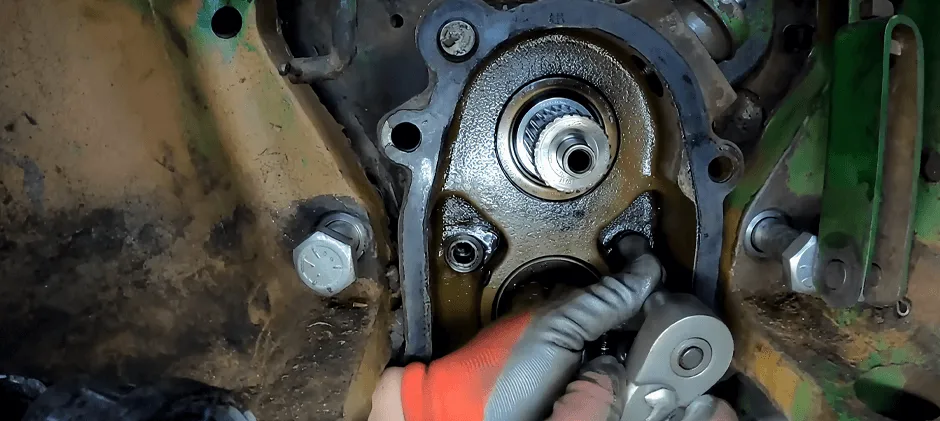
Changing your machine’s fuel filter is as easy as removing the old filter, lubricating the gasket and installing the new filter. Be sure to not overtighten the new filter because overtightening can damage the filter.
After a new filter has been installed, make sure to properly prime the machine’s engine according to the directions in its operating manual. Some machines are self-priming, while others require you to prime the filter with fuel before installing it.
Failing to replace your machine’s fuel filters on time may lead to a broken fuel pump or injection system. Other symptoms of a failing fuel filter include loss of power, stalling and rough idling. For more help noticing the symptoms of a bad fuel filter, check out our article on the 5 signs of a bad fuel filter that needs replacing.
Replacing your machine’s fuel filter is relatively affordable. Depending on your machine’s make and model, you can purchase a replacement filter – between $15 and $70.
Fuel filters are widely available for purchase at heavy equipment supply shops in-store and online. The MechLink shop carries a variety of OEM and aftermarket fuel filters from a range of manufacturers. Replacing them is easy to do and requires minimal tools.
When to change your machine’s oil filter will depend on several factors, including the type of machine, filter and oil being used. For best results, change your oil filter according to the guidelines set out in the machine’s service manual.
A failing oil filter may place additional strain on your machine’s engine, leading to performance issues. Common symptoms of a failing oil filter include low oil pressure, unusual engine noises, poor performance and overheating.
Replacing an oil filter is usually very affordable. An oil filter for an excavator, tractor or similar machine costs in the range of $15 to $60, and requires minimal tools to install.
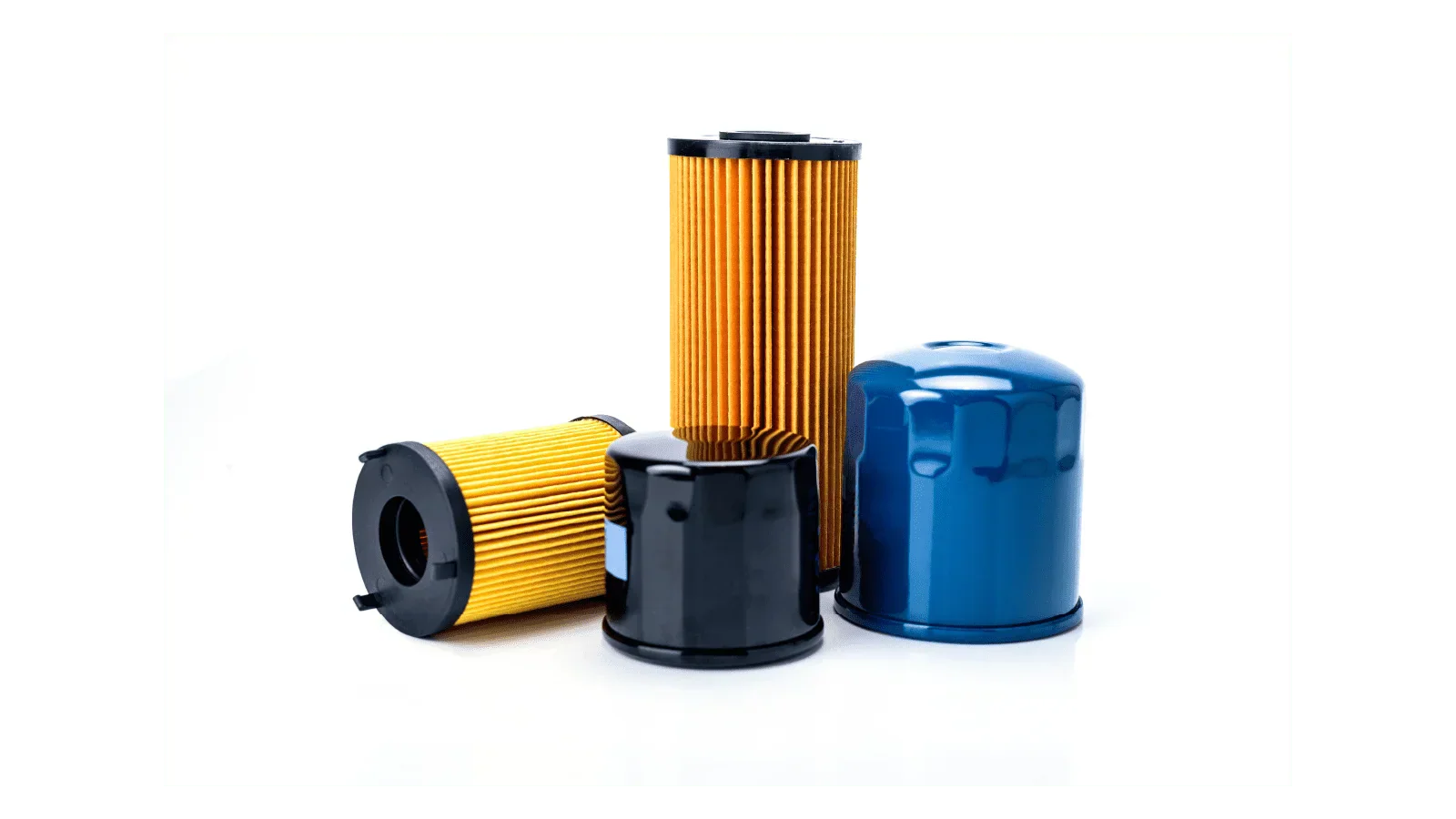
Fuel filters and oil filters are not interchangeable. Although they may look similar in shape and size, the filters are designed for different functions and cannot be used interchangeably.
Oil filters are specialized to remove dirt, debris and other contaminants from the oil that circulates through the engine. Fuel filters, on the other hand, are made to remove pollutants from the fuel that is used to power the engine. The two filter types employ different filtering media and are designed differently in order to handle the particular types of contaminants they encounter.
Additionally, oil filters are made for oil, which has a much higher viscosity than fuel. Using the wrong filter type would have catastrophic effects on the engine; if not initially, then certainly over time. You should never attempt to use an oil filter in place of a fuel filter or vice versa.
If you’re in need of a new filter, check out our collection of them to search for one that fits your machine. We carry filters from a number of leading manufacturers, so you can find one compatible with your needs. For additional information, get in touch with one of our parts experts for personalized assistance. Find the right fuel or oil filters for your equipment and get your fleet up and running again.