2026-08-24
Your equipment might be hard to start or drive in super cold temperatures. You must wait for the engine and all fluids to warm up fully before driving safely. An engine block heater is a must-have tool for many equipment owners. Especially those in cold climates. Knowing how block heaters work reveals why they’ve been so important for operating in cold weather for decades.
An engine block heater is simple but essential. It warms your engine before starting in cold weather. For off-road machines, especially those with big diesel engines, it’s key to keeping the engine in good shape.
When it gets cold, engine oil thickens. It can’t flow easily anymore. Sometimes it’s as thick as molasses. That means no proper lubrication when you turn the key. At the same time, the engine’s metal parts shrink. This makes internal friction go up. Starting a cold engine like this is tough. The starter motor and battery have to work super hard to turn over a slow, poorly lubricated engine. Doing this over and over wears the engine out early. It also causes starter failure and dead batteries on the job site.
An engine block heater fixes this problem. It pre-heats the engine block and important fluids—like coolant and engine oil. Just plug it into a regular power outlet. The heater gently warms the engine’s core. This keeps the oil flowing smoothly. Metal parts stay closer to their working condition. And the engine starts easily—with way less stress.
Pre-heating does more than make starts easier. It also cuts down on initial emissions and helps improve fuel economy during warm-up. Plus, the cab heater gets up to temperature faster — a welcome perk for any operator on a freezing morning!
Now that we know what a block heater is, let’s look at the mechanics behind how it gets the job done. The principle is straightforward: it converts electrical energy into heat and transfers that heat directly to your engine.
While modern diesel engines in heavy equipment are often equipped with glow plugs or air intake heaters, those systems serve a different purpose. They heat the air inside the combustion chamber to help with ignition. They do nothing to warm the engine block itself or thin the cold, sludgy engine oil in the pan.
This is where the engine block heater comes in. It typically uses a simple heating element, similar to the one in a water heater, which is powered by a standard 110-120 volt AC outlet. When you plug it in, this element gets hot. The heat is then transferred to the engine through direct contact with the block or, more commonly, by warming the engine coolant.
When the heater heats the surrounding coolant, the hot liquid will move up on its own and the cold liquid will flow down to make up. It’s such a simple convection principle. By this slow circulation method, the entire engine block, cylinder head and various liquids inside will be heated little by little. This makes it easier to ignite the engine, and the pressure on the starter and battery is much lower.
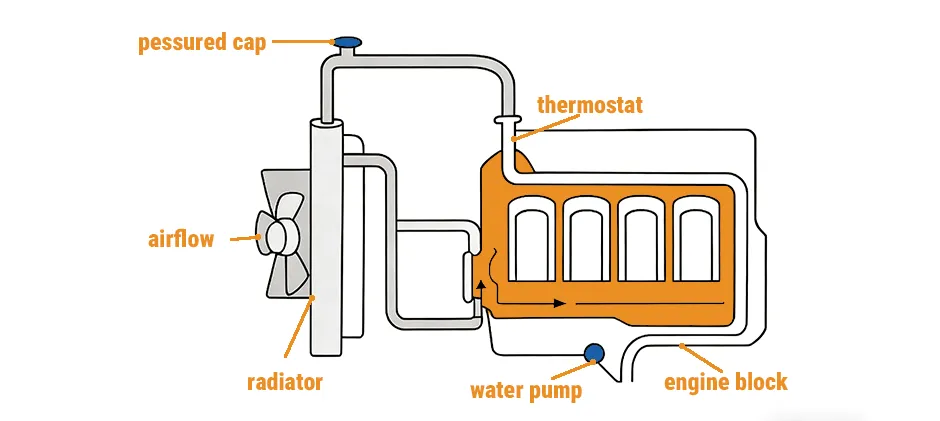
Not all block heaters are the same. They come in different designs, and each one heats things up in its own way. The best type for your machine depends on how its engine is built and how easy it is to get to the parts you need.
This is one of the most common and effective types for heavy-duty and farm equipment. The engine block has several round holes cast into it—they’re called core holes or freeze plugs, and they’re sealed with metal plugs. A core plug heater is made to replace one of these metal plugs.
The heating element sits right in the engine’s coolant jacket. That means heat transfers super efficiently. Since it’s submerged in the coolant, it warms the fluid directly. Then the coolant circulates and heats the whole engine evenly. Installing it takes a bit more work—you have to drain the coolant and take out an existing freeze plug. But when it comes to consistent, thorough heating, nothing beats it.
Inline coolant heaters are another great option. Unlike core plug heaters, they don’t go inside the engine block. Instead, you splice them directly into one of the engine’s radiator hoses (usually the lower one).
As the name says, coolant flows through the heater. When you turn it on, the heating element inside warms the coolant in the hose. There are two kinds:
Suppose you work in cold parts of the United States, such as the Dakotas, Minnesota, the Great Lakes, Colorado, Wyoming, or New England, where winters are particularly harsh. In that case, a heater is basically a must-have.
Your tractor, skid steer loader, or excavator should be plugged into the block heater ahead of time, as long as the forecast says it will fall below 32 °F(0°C) overnight or early in the morning. Diesel engines are particularly sensitive to low temperatures: the oil will freeze as sticky as syrup, the diesel may also begin to thicken, and the engine will naturally have difficulty firing.
If the temperature continues to drop to 20 °F (-7° C) or even lower, the heater is not “better to use”, but “must use”. This hard start in cold weather can overwhelm the battery, starter, and internal engine parts. If your machine struggles to light a fire in the morning, it’s basically telling you: it needs to warm up ahead of time.
Using a block heater is easy — but using it the right way saves electricity and makes it work its best.
Your machine’s block heater cord is usually hidden near the grille, under the bumper, or tied up in the engine bay. It looks like a regular three-prong plug (the kind you use for household stuff).
Don’t use a thin, indoor extension cord. You need a heavy-duty one made for outdoor use — it should match the wattage of your heater. Most of the time, a 12-gauge or 14-gauge cord works best. A thin cord can get too hot (fire risk!) or not give the heater enough power to work right.
You don’t have to leave it plugged in all night — that’s just wasting electricity. For most heavy equipment engines, plugging it in 3 to 4 hours before you start the machine is more than enough. This warms the engine to the perfect starting temp without making your power bill go up.
The best way to handle this is with a heavy-duty outdoor timer. Set it to turn on automatically 4 hours before your workday starts. That way, the engine is warm and ready to go when you need it — no wasted energy at all.
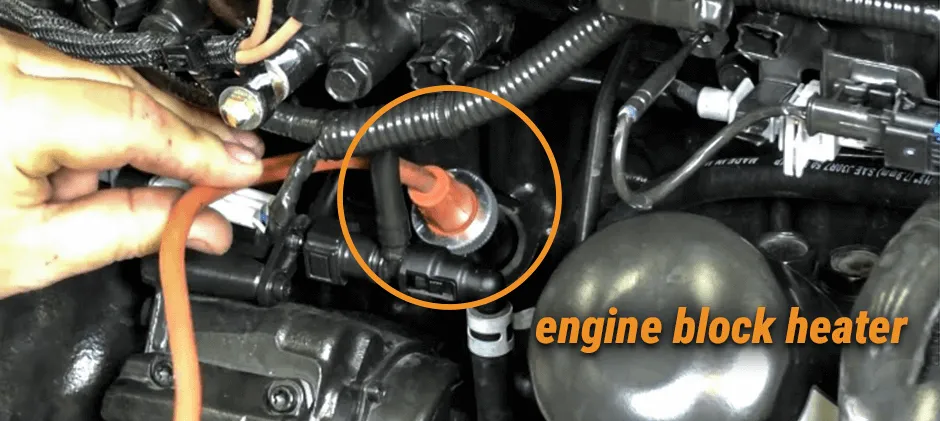
When it’s time to install a new heater or replace an old one, making the right choice is key.
Engine block heaters are critical to maintaining the normal performance of your equipment during severe cold weather. With the right knowledge, you can choose the most suitable heater for your equipment. Whichever type you need, MechLink offers compatible engine block heaters for your equipment, covering a wide selection of major brands. Shop now to help your machinery start reliably and work steadily even at low temperatures.