
2026-10-03
If your machinery is acting up and you’re suspecting a fuel pump issue, you’re not alone. The fuel pump is responsible for fuel transfer in your vehicle’s fuel system, and when it fails, it can lead to a host of problems such as difficulty in starting, unusual noises, low fuel efficiency, weak acceleration, and flameout. But how much does it actually cost to replace a fuel pump?
Fuel pump replacement costs typically range from $1,000 to $1,200, with labor expenses usually falling between $150 and $300. The price of the fuel pump itself can vary widely depending on the make and model of your vehicle. While a DIY replacement can help you save money, it requires mechanical skills and the right tools. Additionally, you may need to account for extra costs, such as fuel filters, gaskets, and other necessary components. In this article, we’ll break down the fuel pump replacement cost, what factors influence the price, and how you can save some money on this necessary repair.
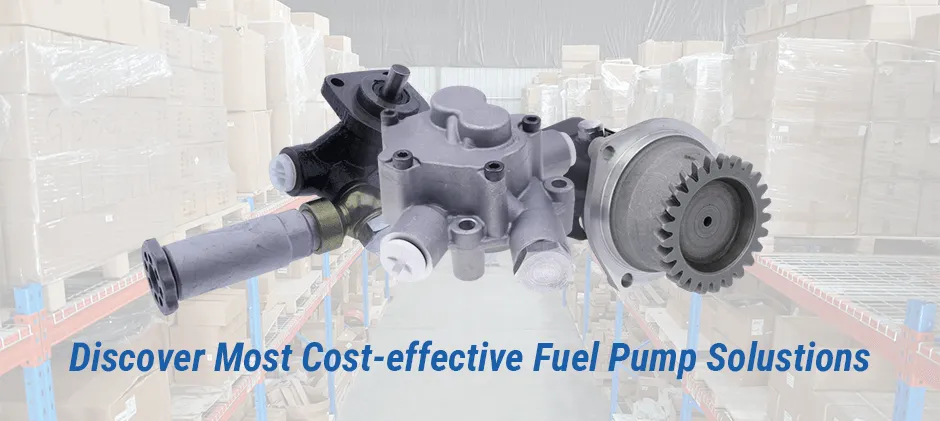
Okay, let’s break down what you’re really paying for when you get that fuel pump replaced. It’s more than just the part itself, and understanding the different factors can help you make informed decisions.
Replacing a fuel pump can seem like a daunting expense, but knowing what goes into the cost can help you budget and potentially save money. It’s all about understanding the process and the factors involved.
First off, the fuel pump is a critical component of your vehicle’s fuel system. It’s responsible for pumping fuel from the tank to the engine at the correct pressure. When it fails, your equipment won’t run, or it might run poorly. So, replacement isn’t usually optional.
When we talk about the cost, we’re generally looking at a combination of parts and labor. The parts cost can vary widely depending on the make and model of your vehicle, as well as the quality of the replacement pump. Labor costs will depend on the mechanic’s hourly rate and the time it takes to do the job. Some vehicles have easier access to the fuel pump than others, which can affect the labor time. For example, the fuel pump replacement on a Ford F-150 might be different from that on other vehicles.
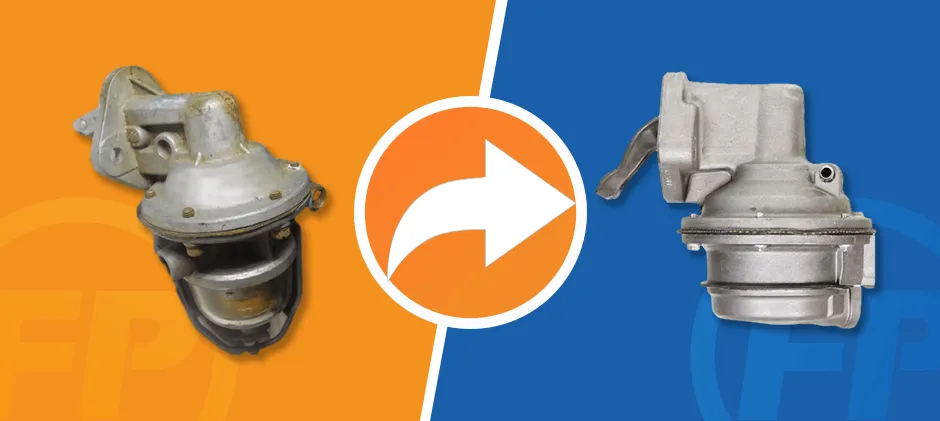
Okay, so you’re probably wondering what exactly makes the price of a fuel pump replacement jump around so much. It’s not just a simple, one-size-fits-all kind of thing. Several things come into play, and understanding them can help you anticipate the costs better. Let’s break it down.
This is a big one. The make and model of your vehicle significantly impact the cost. Some models have fuel pumps that are easier to access and replace than others. Also, the type of fuel pump your machinery needs can vary widely, and some are just more expensive than others. For example, a high-performance vehicle might require a more specialized (and pricier) fuel pump than a standard sedan. This is a key factor in heavy equipment repair costs.
There are generally two types of fuel pumps: electric and mechanical. Electric fuel pumps, which are more common in modern vehicles, can be further divided into in-tank and external types. In-tank pumps often require dropping the fuel tank for access, adding to the labor time. Mechanical fuel pumps, typically found in older models, might be simpler to replace, but finding the parts could be a challenge, potentially driving up the cost.
Labor rates vary quite a bit depending on where you are and the shop you choose. Dealerships usually have higher labor rates compared to independent shops. Also, the complexity of the job affects labor costs. If the fuel pump is difficult to reach or requires additional components to be removed, the labor time will increase, and so will the bill. Always get a quote beforehand so you aren’t surprised.
The availability of the fuel pump itself can also influence the price. If you have a rare or older vehicle, finding a replacement fuel pump might be difficult, leading to higher prices. Sometimes, you might have to opt for an aftermarket part, which could be cheaper but might not offer the same quality or lifespan as an OEM (Original Equipment Manufacturer) part.
Where you get the work done matters. Big city shops often have higher overhead, which translates to higher prices. Rural areas might offer lower labor rates, but they might not have as many specialized mechanics. It’s a balancing act. Consider getting quotes from a few different places to see what the going rate is in your area.
Keep in mind that sometimes, what seems like a fuel pump issue might actually be something else entirely. A clogged fuel filter, a faulty fuel pressure regulator, or even a bad sensor can mimic fuel pump problems. A proper diagnosis is key to avoiding unnecessary replacements and costs.
Sometimes, replacing the fuel pump might reveal other underlying issues. For example, if the fuel tank is rusty or contaminated, it might need to be cleaned or even replaced. Similarly, the fuel filter might need to be changed to prevent damage to the new fuel pump. These additional repairs can add to the overall cost, so it’s good to be prepared for the possibility.
As heavy equipment specialists, we know that fuel pump replacement costs can vary significantly depending on the equipment model. The complexity of the equipment and the accessibility of the fuel pump greatly influence both parts and labor costs. Let’s break down some examples to give you a clearer picture.
Different equipment models have different fuel pump designs and placements, which directly affect replacement costs. For instance, a fuel pump replacement on a smaller, more accessible piece of equipment will generally be less expensive than on a larger, more complex machine. The availability of aftermarket parts also plays a role in the overall cost.
Consider these points:
To illustrate the cost variations, let’s look at some examples. Keep in mind that these are average estimates, and actual costs can vary based on your location and the specific repair shop.
| Equipment Model | Estimated Parts Cost | Estimated Labor Cost | Total Estimated Cost |
| Compact Excavator | $300 – $600 | $150 – $300 | $450 – $900 |
| Mid-Size Wheel Loader | $500 – $800 | $200 – $400 | $700 – $1200 |
| Large Bulldozer | $700 – $1200 | $300 – $600 | $1000 – $1800 |
| Over-the-road Trucks | $200 – $1000 | $150 – $350 | $350 – $1350 |
It’s important to get a detailed quote from a reputable mechanic before proceeding with any fuel pump replacement. This quote should include a breakdown of parts and labor costs, as well as any additional fees.
Several factors can influence the cost of fuel pump replacement for a specific equipment model. These include:
Read: How to replace a fuel pump? A step-by-step guide!
Deciding whether to tackle a fuel pump replacement yourself or hire a professional mechanic is a big question. It really boils down to your comfort level, your mechanical skills, and how much you value your time. Let’s break down the costs and considerations for each approach.
Going the DIY route can save you money on labor costs, but it’s not without its challenges. You’ll need to purchase the replacement fuel pump and any specialized tools required for the job. Here’s a quick rundown:
Doing it yourself can be rewarding, but it’s important to be realistic about your abilities and the potential risks involved. If you’re not comfortable working with fuel systems or you don’t have the necessary tools, it’s best to leave it to a professional.
Hiring a professional mechanic offers convenience and peace of mind, but it comes at a higher cost. The total cost typically includes the price of the fuel pump, labor charges, and any diagnostic fees. Let’s take a look:
Here’s a general cost comparison to give you a better idea:
| Expense | DIY | Professional |
| Fuel Pump | $200 – $800 | $250 – $900 |
| Tools | $50 – $200 | Included |
| Labor | $0 | $150 – $300 |
| Diagnostic Fee | $0 | $0 – $150 |
| Total Cost | $250 – $1000 | $400 – $1350 |
Keep in mind that these are just estimates, and the actual cost can vary depending on your specific situation. For example, the fuel pump replacement in Nashville may differ from other locations. Always get a quote from a reputable mechanic before making a decision.
Beyond the main costs of the fuel pump and labor, there are a few other things that might impact your final bill. It’s always good to be prepared for these, so you’re not caught off guard.
It’s often recommended to replace the fuel filter when you replace the fuel pump. Why? Because a clogged filter can put extra strain on the new pump, potentially shortening its lifespan. The fuel filter itself is relatively inexpensive, usually between $20 and $50, and the labor to replace it at the same time as the pump is minimal. Think of it as preventative maintenance to protect your investment. Ignoring this can lead to future fuel pump repairs.
If your old fuel pump failed because of contamination in the fuel tank, you’ll definitely want to have the tank cleaned. Debris, rust, or other contaminants can damage the new pump just like they did the old one. A professional fuel tank cleaning can range from $100 to $300, depending on the size and complexity of the tank. It’s an extra cost, but it’s worth it to ensure the new pump has a clean environment to operate in. Skipping this step could mean doing the whole job again sooner than you’d like.
Sometimes, replacing the fuel pump reveals other underlying issues. For example:
These issues might not be apparent until the fuel pump is removed and the system is inspected more closely. Be prepared for the possibility of these additional repairs, which can add to the overall cost. It’s always a good idea to have a mechanic perform a thorough inspection to identify any potential problems before starting the fuel pump replacement.
Unexpected issues can arise during any repair job. A good mechanic will communicate these issues clearly and provide you with options before proceeding with any additional work. This transparency can help you make informed decisions and avoid any unpleasant surprises on the final bill.
Okay, so we’ve covered a lot about fuel pump replacement costs. It’s not always a simple fix, and the price can really vary depending on a bunch of things. From the type of vehicle you drive to whether you decide to DIY or go to a professional, there are many factors at play.
Ultimately, replacing a fuel pump is an investment in your vehicle’s reliability. By understanding the costs involved and making informed decisions, you can ensure your equipment keeps running smoothly without breaking the bank. Don’t hesitate to get a few quotes and ask questions before committing to any repairs. A little research can save you a lot of money and headaches down the road. Shopping at MechLink.com is always a wise decision. We help you save time by offering top-quality fuel system solutions, and we help you save money by providing the most cost-effective replacement parts. Wishing your machinery runs smoothly!
Are there any special warranties for john deere parts?
2026-10-03

How to choose the best tractor oil filter? 6 must-know factors
2026-10-02
What types of john deere parts are available for vintage tractors?
2026-10-02

Kubota l series tractor oil filter lookup & maintenance tips
2026-10-01