2025-11-11
Skid steers, excavators, tractors and other diesel-powered heavy equipment rely on a host of electrical components in order to function properly.
While the specific electrical components found in heavy equipment may vary according to the type and model of machine, they all play a critical role in keeping your equipment running smoothly.
Unfortunately, electrical shorts and battery failures are common, and can result in pesky repairs and excessive downtime. Understanding the most common reasons for electrical failures, as well as battery maintenance best practices, can help minimize the frequency of machine failures and costly repairs.
Here, we go over the basics of heavy equipment electrical components, the symptoms of a failing electrical system and some useful tips for maintaining your machine’s electrical components.
When it comes to heavy equipment, a machine’s electrical system is critical. Your machine’s battery, alternator, relays and switches all play a vital role in converting power from the engine into electricity— which is necessary for powering electric components throughout the machine.
In addition to powering onboard systems, your machine’s electrical system is also responsible for turning over its diesel engine.
When starting a diesel engine, the starter motor draws power from the battery to crank the engine’s flywheel, initiating the combustion process.
Glow plugs, which are also powered by the battery, preheat the diesel engine’s combustion chambers, allowing the engine to start efficiently, even in cold weather.
If any of these key components fail, your machine may lose functionality or refuse to start.
Here are some of the most common electrical issues that can occur on heavy equipment and their causes.
A dead battery is the most common electrical issue in heavy equipment. The battery is responsible for powering the starter motor and glow plugs, as well as providing power to onboard systems together with the alternator.
When your machine’s battery dies, the engine will not start, and the lights, dashboard and other electrical systems will not turn on. There are several things that can cause a battery to die. Some common causes include leaving your machine’s lights on, not storing the battery properly and old age.
In fuel-powered engines, including diesel, the alternator serves the important function of converting mechanical power from the engine into electrical power.
As the engine combusts fuel to generate mechanical power, the engine’s crankshaft turns a belt attached to the alternator. The alternator converts the power coming off the crankshaft into electricity, which is used to charge the machine’s battery and power its electric systems.
When the alternator is faulty or has stopped functioning properly, onboard systems that need electricity, such as the lights, will stop functioning. The machine’s battery may also die and a warning light will illuminate on its dashboard.
The starter is responsible for turning the engine over and starting your machine’s engine. Unlike its combustion engine, which is powered by fuel, the starter motor relies on electrical power from the battery in order to start the machine’s combustion engine.
If your starter has gone bad, your machine’s engine may refuse to start. The engine may not crank at all, or it may crank very slowly.
Other possible signs of a bad starter include a clicking sound when you attempt to start the engine, intermittent starting or a burning smell when you attempt to start the engine.
When the components of your machine’s electrical system fall out of repair or become faulty, your machine may refuse to start. Complete electrical failure can result in significant disruptions to your project. Some of the consequences of electrical failure include:
To prevent the serious consequences of total electrical failure, it helps to know how to spot minor electrical problems before they get out of control.
Some early symptoms of electrical problems may include issues like dimming lights, warning lights on the operator dashboard, intermittent starting and unusual buzzing or humming.
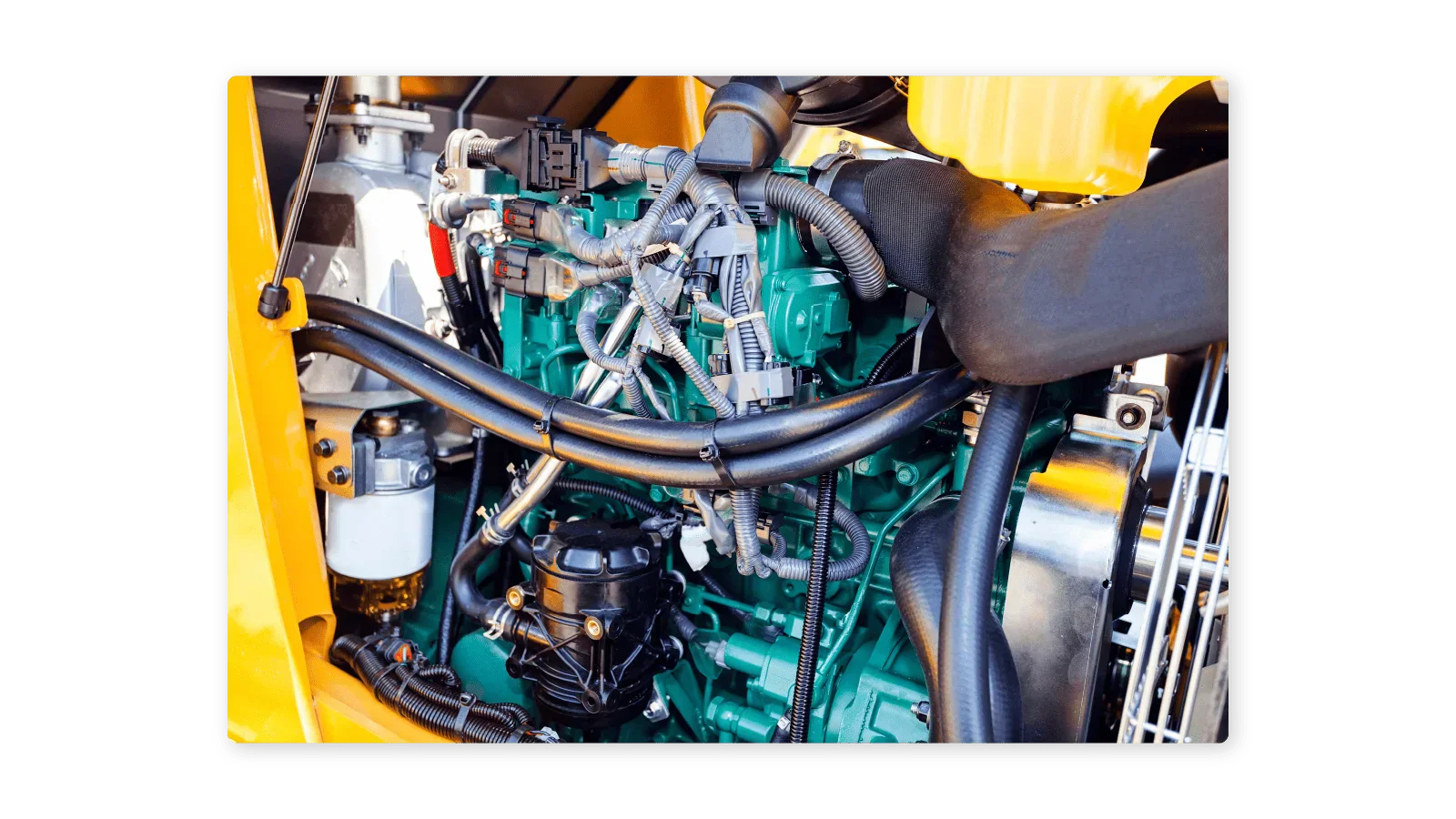
Maintaining your machine’s electrical systems through routine inspections and a well conceived preventative maintenance program can help you avoid unnecessary repairs and downtime.
Like other systems, your machine’s electrical system should be regularly inspected to ensure its components are working well. While your machine’s service manual is the best resource for creating an electrical systems inspection checklist, here are some general areas to include:
Electrical systems are inherently dangerous, so it’s important that your operators receive proper safety training before attempting to maintain a machine’s electrical systems.
Some tips to prevent injury while inspecting or maintaining your machine’s electrical parts include wearing personal protective equipment, turning off the power supply before inspecting or working on components and using insulated tools.
For some maintenance tasks, you may require the services of a certified professional. Your machine’s service manual will describe which maintenance tasks require the help of a certified technician.
Your machine’s electrical system plays a key role in starting the engine and providing power to the machine’s various onboard systems. If your heavy equipment’s electrical components become faulty or begin to break down, you may experience service issues and costly downtime.
At MechLink, we’re dedicated to helping you keep your machines out of the service yard and on the job, where they belong. Our online store makes it easy to buy OEM and aftermarket electrical parts for popular heavy equipment manufacturers like Takeuchi and Wacker Neuson. If you can’t find the component you’re looking for, reach out to one of our parts experts and get personalized assistance.